
Radiofrequency ablation: making hemorrhoid treatment easier
Radiofrequency ablation: making hemorrhoid treatment easier
Radiofrequency ablation is a minimally invasive treatment that utilizes radiofrequency energy (high-frequency current) to produce thermal effects, causing vascular coagulation, tissue dehydration, atrophy, and fibrosis within the hemorrhoids.
In simple terms, it is to let the hemorrhoids "shrink on their own" without removing any tissue.
The operation procedure is very brief and is typically performed under local anesthesia or caudal anesthesia. Under direct vision, the doctor inserts a thin electrode needle into the interior of the hemorrhoid, releases energy to heat the blood vessels and tissues, and instantly seals the blood supply, causing the hemorrhoid to shrink.
The entire treatment session typically lasts around 20 minutes, and there are no visible incisions after the procedure. Patients can get up and move around after a brief rest.
How RF Thermocoagulation Works in Hemorrhoid Treatment
During radiofrequency thermocoagulation, high-frequency electrical energy is delivered to the target hemorrhoidal tissue through an appropriate electrode or probe. Tissue resistance converts the electrical energy into controlled heat, producing a localized thermal effect.
The treatment is intended to achieve controlled coagulation and progressive tissue shrinkage while limiting unnecessary disruption of surrounding tissue. The clinician controls the delivery of RF energy according to the treatment site, tissue response, device configuration, and established procedural protocol.
The hemorrhoidal tissue is identified under direct visualization before electrode placement.
A suitable RF electrode or probe is positioned at the selected treatment site.
Radiofrequency energy is applied to produce the required localized thermal effect.
The treated tissue undergoes coagulation and progressive contraction following the procedure.
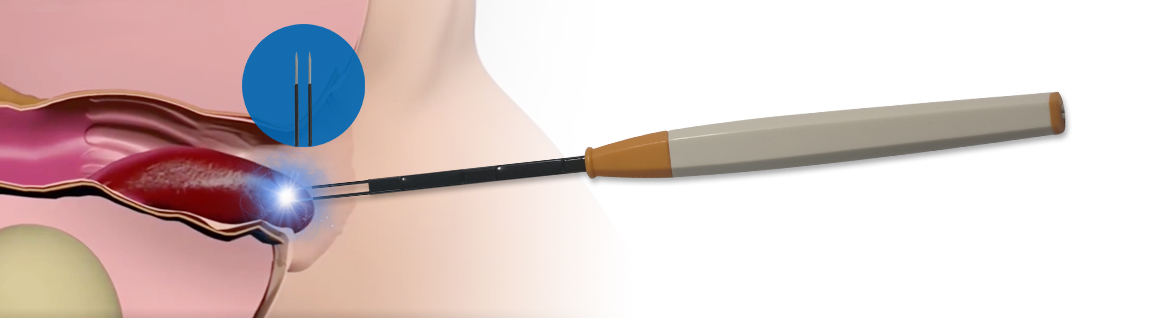
During radiofrequency ablation, local anesthesia is administered, and patients will only feel a slight sensation of heat or tingling. The entire procedure is well-tolerated.
Patients can start taking liquid food on the day after surgery, and can resume light activities the next day. Most patients return to their normal lives within a week.
After treatment, hemorrhoids will gradually shrink and absorb, with symptoms significantly improving and bleeding and prolapse disappearing within 1 to 2 weeks.
As long as you follow the doctor's advice, maintain regular bowel habits and a light diet, the recurrence rate is very low.

Compared to traditional surgery, it has the following advantages
1. No surgery, almost no bleeding
Without the need to remove tissue, the treatment objective is achieved by sealing blood vessels with energy.
2. The pain has significantly reduced
With small incisions and minimal nerve stimulation, most patients do not require analgesics.
3. Fast recovery
Usually, patients can be discharged on the same day or the next day, and their work will not be affected.
4. Maintain the normal organizational structure
The anal function is intact, which will not affect bowel control.
5. Repeatable treatment
If recurrence occurs after many years, ablation can be performed again.
Clinical Applications of Anorectal RF Surgery
Potential clinical applications should be determined by the treating physician and according to the intended use of the specific RF surgical system and electrode.
- ♦ Radiofrequency ablation for hemorrhoids
- ♦ RF thermocoagulation of hemorrhoidal tissue
- ♦ Minimally invasive treatment of selected internal hemorrhoids
- ♦ Controlled coagulation during anorectal procedures
- ♦ RF-based tissue management in proctology surgery
RF Hemorrhoid Treatment Equipment for Proctology
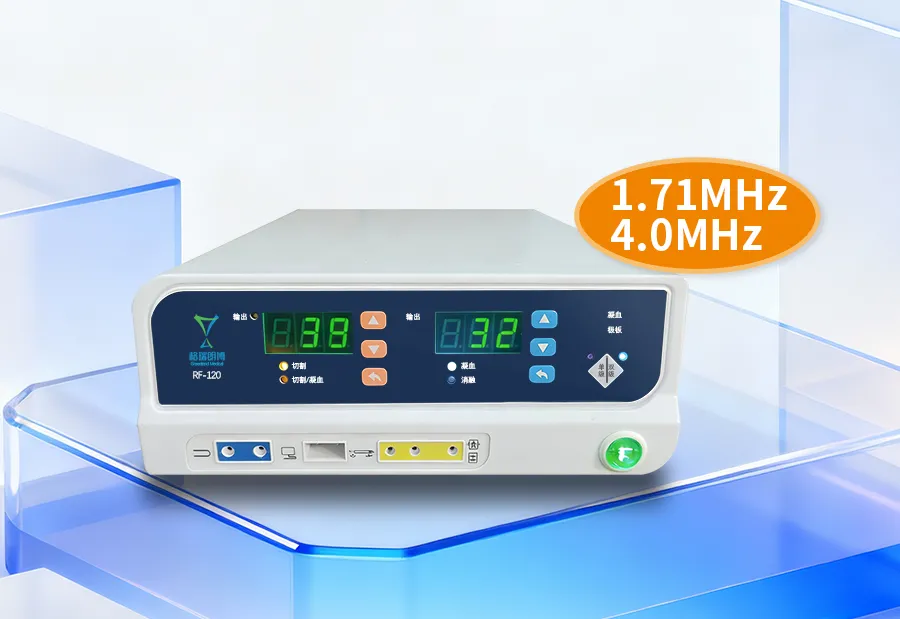
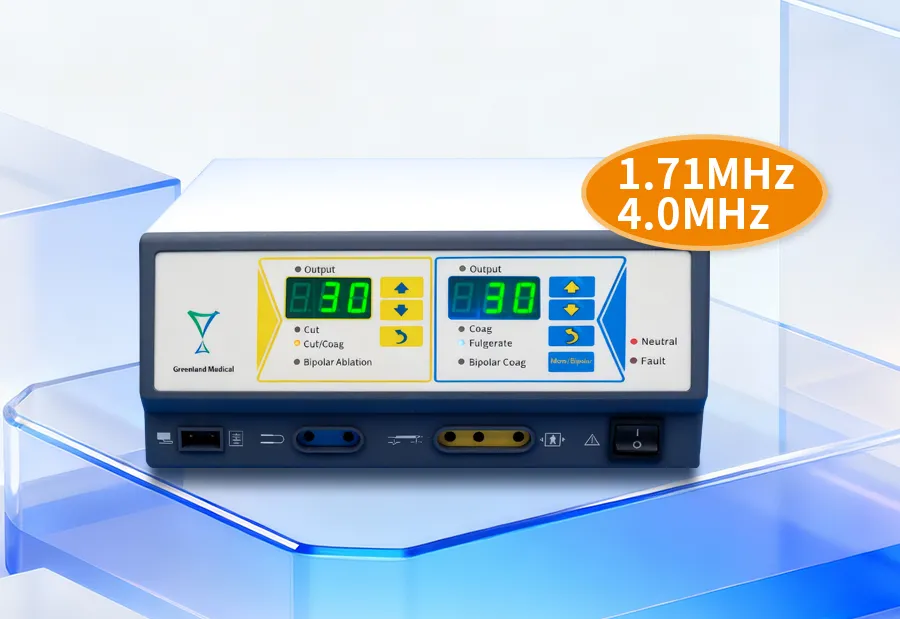
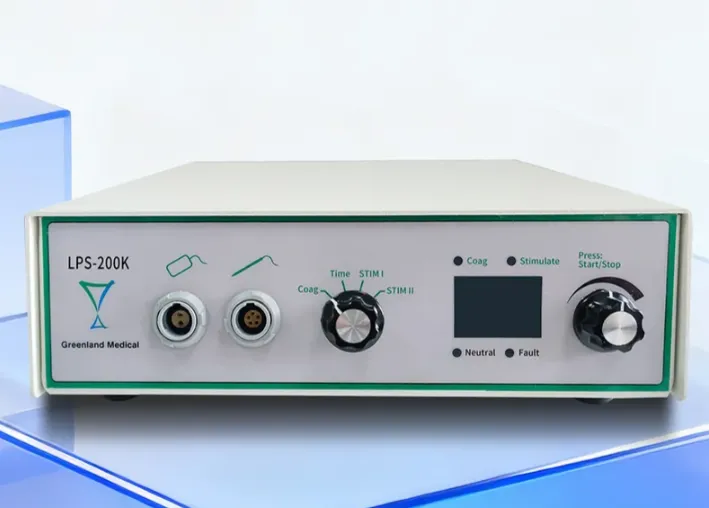
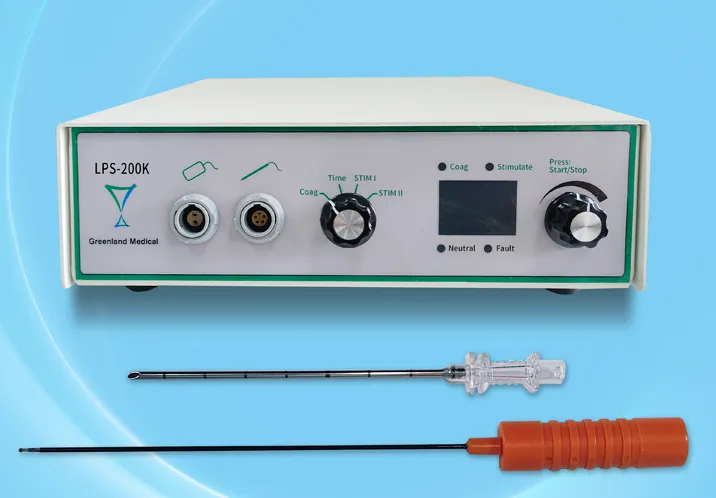
A complete RF hemorrhoid treatment setup typically includes the RF energy generator, appropriate electrodes or probes, and the accessories required for the selected anorectal procedure. Equipment configuration should match the intended clinical application and the specific electrode or accessory being used.
Greenland provides professional RF surgical equipment designed for controlled cutting, coagulation, ablation, and tissue management across multiple surgical specialties. Depending on the required procedure, different RF systems and electrodes can be selected to support specific clinical workflows.
For hospitals, clinics, distributors, and medical equipment partners, Greenland can provide product specifications, accessory information, technical documentation, and application-based product recommendations according to the target market and clinical requirements.
RF Ablation vs. Conventional Hemorrhoid Surgery
Radiofrequency ablation and conventional hemorrhoid surgery use different approaches to tissue management. Conventional hemorrhoidectomy involves surgical excision of hemorrhoidal tissue, while RF ablation applies controlled thermal energy to the target tissue.
| Feature | RF Hemorrhoid Treatment | Conventional Excisional Surgery |
|---|---|---|
| Treatment approach | Controlled RF thermocoagulation | Surgical tissue excision |
| Tissue removal | Designed to avoid conventional excisional removal | Requires removal of targeted tissue |
| Energy source | Radiofrequency energy | Mechanical surgical instruments and/or electrosurgical energy |
| Clinical setting | Selected minimally invasive proctology procedures | Conventional surgical treatment |
| Patient selection | Determined according to hemorrhoid characteristics and clinical assessment | Determined according to disease severity and surgical indication |
What Medical Professionals Should Consider When Selecting an RF System
When evaluating an RF hemorrhoid treatment device, clinical application and system configuration are as important as the generator itself. Medical professionals and distributors should consider:
- ♦ RF output characteristics and energy control
- ♦ Compatibility with the required electrodes and probes
- ♦ Control of treatment power and procedure parameters
- ♦ Ease of integration into the existing proctology workflow
- ♦ Product documentation and regulatory support
- ♦ Technical service and after-sales support
The appropriate equipment should always be selected according to the intended use, applicable regulatory requirements, and the treatment protocol followed by the healthcare facility.
Frequently Asked Questions About RF Hemorrhoid Treatment
What is radiofrequency ablation for hemorrhoids?
Radiofrequency ablation for hemorrhoids is a minimally invasive treatment technique that delivers controlled RF energy to hemorrhoidal tissue. The resulting thermal effect produces coagulation and progressive tissue contraction.
What is RF thermocoagulation for hemorrhoids?
RF thermocoagulation uses controlled radiofrequency energy to generate a localized thermal effect in the target tissue. In hemorrhoid procedures, the goal is to achieve controlled coagulation and subsequent reduction of the treated hemorrhoidal tissue.
Is RF hemorrhoid treatment minimally invasive?
RF hemorrhoid treatment is designed as a minimally invasive, electrode-based procedure rather than conventional excisional surgery. Patient selection and procedural technique should be determined by a qualified healthcare professional.
What equipment is used for RF hemorrhoid treatment?
An RF hemorrhoid treatment setup may include an RF generator, a compatible electrode or probe, and the required anorectal accessories. The exact configuration depends on the intended procedure and the specifications of the medical device.
Can RF surgical equipment be used for other procedures?
Depending on the model, RF surgical systems may support cutting, coagulation, ablation, or thermocoagulation applications across different clinical departments. The applicable procedures depend on the intended use and regulatory status of each specific device.
Explore RF Solutions for Anorectal Surgery
Looking for RF surgical equipment for hemorrhoid treatment or a complete radiofrequency solution for proctology? Explore Greenland's RF surgical systems, electrodes, and related accessories to identify the configuration suited to your clinical application.
Contact Greenland for product specifications, electrode compatibility, technical documentation, and RF equipment recommendations for your anorectal surgery requirements.
-
Previous
RELATED PRODUCTS