
Dental Department
Radiofrequency Dental Surgery Solutions
Radiofrequency dental surgery provides dentists and oral surgeons with a controlled method for cutting, coagulating, and managing delicate oral soft tissue. In procedures where access, visibility, and hemostasis are important, the selection of the RF generator, output mode, power setting, and electrode design can directly affect the surgical workflow.
Greenland supplies RF surgical units, compatible electrodes, and electrosurgical accessories for dental departments, hospitals, specialist clinics, and medical equipment distributors. System selection should be based on the intended dental procedures, required output modes, electrode configuration, local regulatory requirements, and clinician training.
Radiofrequency technology causes water molecules within cells to undergo vigorous motion under the influence of 4.0 MHz radiofrequency electromagnetic waves, leading to cell swelling and rupture, thereby enabling low-temperature tissue cutting. The intense molecular motion generates a certain amount of heat, which in turn promotes coagulation of small blood vessels. Conventional high-frequency electrosurgical devices (typically operating at frequencies between 400 kHz and 750 kHz) convert electrical energy into thermal energy, causing local tissue carbonization and thus achieving both cutting and hemostasis. In comparison, radiofrequency technology causes less thermal damage to tissues during surgery and is particularly well-suited for delicate, minimally invasive procedures. Its unique spray-coagulation function can effectively address significant bleeding issues encountered in clinical surgeries.
Surgical features: low-temperature cutting, precise output power adjustment, excellent surgical safety, no adverse effects on metal implants or other metallic objects within the oral cavity, and capable of meeting a wide range of surgical needs.
How Radiofrequency Surgery Is Used in Dentistry
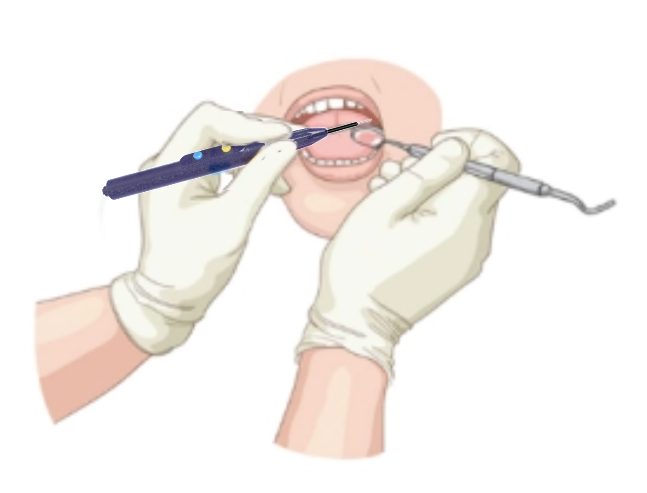
During dental electrosurgery, high-frequency RF energy is delivered to the target tissue through a selected electrode. The resulting tissue effect depends on several factors, including the waveform, output power, electrode shape, activation time, tissue condition, and operating technique.
The RFS-4000K RF Electrosurgical Unit combines 4.0 MHz monopolar output with 1.71 MHz bipolar output. The monopolar mode can support controlled soft-tissue cutting, ablation, and coagulation, while bipolar output provides a more localized energy path for procedures requiring focused coagulation and hemostasis.
Clinical application
Surgery: Gingivectomy, incision and drainage of abscesses, removal of pericoronary swelling, hemostasis, fibroma removal, fistula treatment, frenulectomy, and tissue resection prior to inlay preparation.
Repair: Exposure of the cervical tooth area, exposure of fractured tooth segments, removal of hyperplastic gingiva, widening of the gingival sulcus, gingival shaping in edentulous areas to expose impacted teeth, frenectomy, crown lengthening for bracket placement, and harvesting of free connective tissue grafts.
Root canal: gangrene, pulpectomy
Periodontics: Periodontal Pocket Debridement, Flap Surgery, and Treatment of Peri-implantitis
Dental Procedures Supported by RF Soft-Tissue Management
Radiofrequency dental surgery may be considered for a range of oral soft-tissue procedures when the application is included in the approved intended use of the selected device and performed by a properly trained clinician.
Periodontal and Gingival Procedures
- ♦ Gingivectomy and gingival recontouring
- ♦ Crown-lengthening procedures involving soft tissue
- ♦ Periodontal pocket treatment and selected flap procedures
- ♦ Removal of hyperplastic gingival tissue
- ♦ Selected peri-implant soft-tissue management procedures
Restorative and Prosthodontic Procedures
- ♦ Gingival sulcus widening for improved access and visibility
- ♦ Exposure of cervical tooth areas and fractured tooth margins
- ♦ Gingival contouring around restorative treatment areas
- ♦ Soft-tissue management before impression taking or restoration
- ♦ Exposure of impacted teeth before orthodontic treatment
Minor Oral Soft-Tissue Surgery
- ♦ Frenectomy and frenulectomy
- ♦ Removal of selected fibromas and benign soft-tissue lesions
- ♦ Pericoronal soft-tissue removal
- ♦ Incision and drainage procedures where clinically appropriate
- ♦ Controlled tissue resection and surgical hemostasis
The above applications are general examples rather than universal indications. Buyers and clinical users should confirm the approved indications, contraindications, operating instructions, and compatible accessories for the specific model supplied in their market.
Selecting an RF System for a Dental Department
| Selection Factor | What Buyers Should Confirm | Why It Matters |
|---|---|---|
| Output architecture | Monopolar, bipolar, or combined output | Different modes support different cutting and coagulation requirements. |
| Operating frequency | Published frequency for each available mode | Frequency is an important technical specification for dental radiosurgery procurement. |
| Power control | Output range, adjustment method, and mode-specific limits | Controlled adjustment helps match energy delivery to different tissues and procedures. |
| Electrode options | Tip shape, size, angle, length, and single-use or reusable design | Oral access and target-tissue geometry vary between procedures. |
| Activation method | Footswitch, hand-controlled pencil, or other compatible control | The activation method affects workflow and clinician preference. |
| Accessories | Handpiece, footswitch, cables, neutral plate, electrodes, and forceps | The buyer must distinguish the standard package from optional accessories. |
| Regulatory status | Product-specific registration and intended use for the destination market | Company-level certification does not replace model-specific market authorization. |
| Technical support | Installation, training, maintenance, warranty, and consumable supply | Long-term support is important for hospitals and regional distributors. |
RF Generator and Electrode Configuration
RFS-4000K RF Electrosurgical Unit
The RFS-4000K provides 4.0 MHz monopolar and 1.71 MHz bipolar output in one platform. It is suitable for buyers who require cutting, ablation, coagulation, and bipolar coagulation functions across multiple clinical departments. Published specifications include six operating modes and adjustable power output.
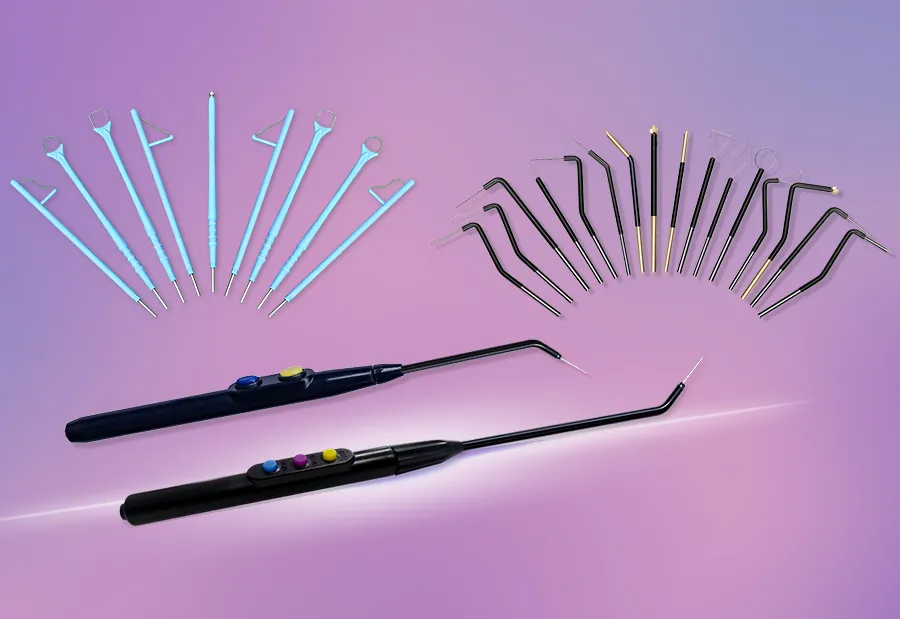
Monopolar Surgical Electrodes
Monopolar electrodes connect to a compatible RF generator and surgical pencil to support cutting, ablation, and coagulation. Dental buyers should specify the required tip geometry, working length, packaging format, and whether the electrode is supplied sterile and single-use. Available configurations can be reviewed through our surgical electrodes and probes range.
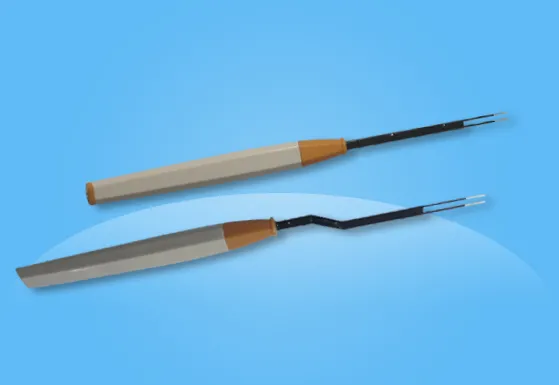
Bipolar Electrosurgical Forceps
Bipolar electrosurgical forceps concentrate energy between two instrument tips and are mainly selected for localized coagulation and surgical hemostasis. Buyers should confirm the tip shape, handle style, connector, reusable or single-use configuration, and compatibility with the selected generator.
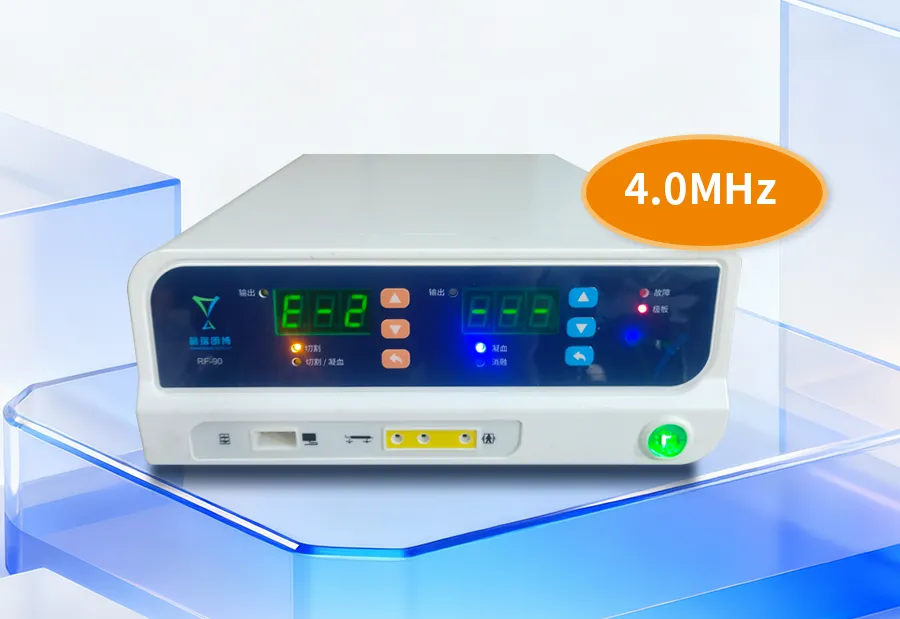
RF-90 Monopolar System
The RF-90 is presented as a 4.0 MHz monopolar system for cutting, coagulation, and ablation, including applications in dentistry. Distributors and dental departments should request the current specification sheet, accessory list, approved intended use, and market-specific registration status before placing an order.
Quality and Supply Support
Greenland integrates research, product development, manufacturing, and testing for RF surgical equipment. The company operates under an ISO 13485:2016 quality management system and maintains controlled production and biological laboratory facilities. You can review our manufacturing and quality management capabilities before requesting product documentation.
Because registration requirements differ between countries, buyers should request model-specific documentation instead of relying only on company-level certificates. Depending on the order and destination market, the procurement review may include the specification sheet, intended-use statement, instructions for use, electrical information, accessory list, packaging details, warranty terms, and available registration documents.
Frequently Asked Questions
What is the difference between dental electrosurgery and electrocautery?
Dental electrosurgery delivers high-frequency electrical energy through tissue to create a controlled tissue effect. Electrocautery generally uses an electrically heated instrument tip without passing electrical current through the patient’s tissue. The two terms should not be treated as interchangeable in technical documentation.
Which Greenland RF system is suitable for a dental department?
Selection depends on whether the department requires monopolar cutting, bipolar coagulation, or both. RFS-4000K combines monopolar and bipolar output, while RF-90 is presented as a 4.0 MHz monopolar option. Final selection should be confirmed against the intended procedures and local registration status.
What accessories should be included in the quotation?
Ask the supplier to identify the generator, power cord, footswitch, surgical pencil, neutral plate, connection cables, electrodes, and bipolar forceps as standard or optional items. This prevents incomplete package comparisons between suppliers.
Can the system be used around dental implants or metal restorations?
This should be evaluated according to the device instructions for use, selected operating mode, electrode position, clinical technique, and the type of implant or restoration. Avoid relying on an unrestricted claim that RF energy has no effect on all metallic objects.
Can distributors request OEM or market-development support?
Greenland works with medical equipment distributors and project partners. Available OEM, documentation, training, sample, territory, and volume-order arrangements should be discussed according to the target market and selected product.
Dental RF System Recommendation
Send us your target dental procedures, destination country, required output modes, preferred electrodes, order quantity, voltage, and certification requirements. Our technical team will help identify a suitable generator and accessory configuration for your clinic, hospital project, or distribution market.
Contact Greenland for a dental RF system configuration and quotation.
-
Previous
RELATED PRODUCTS