Precision Low-Temperature RF: Safe & Minimally Invasive Treatment for Cervical Lesions
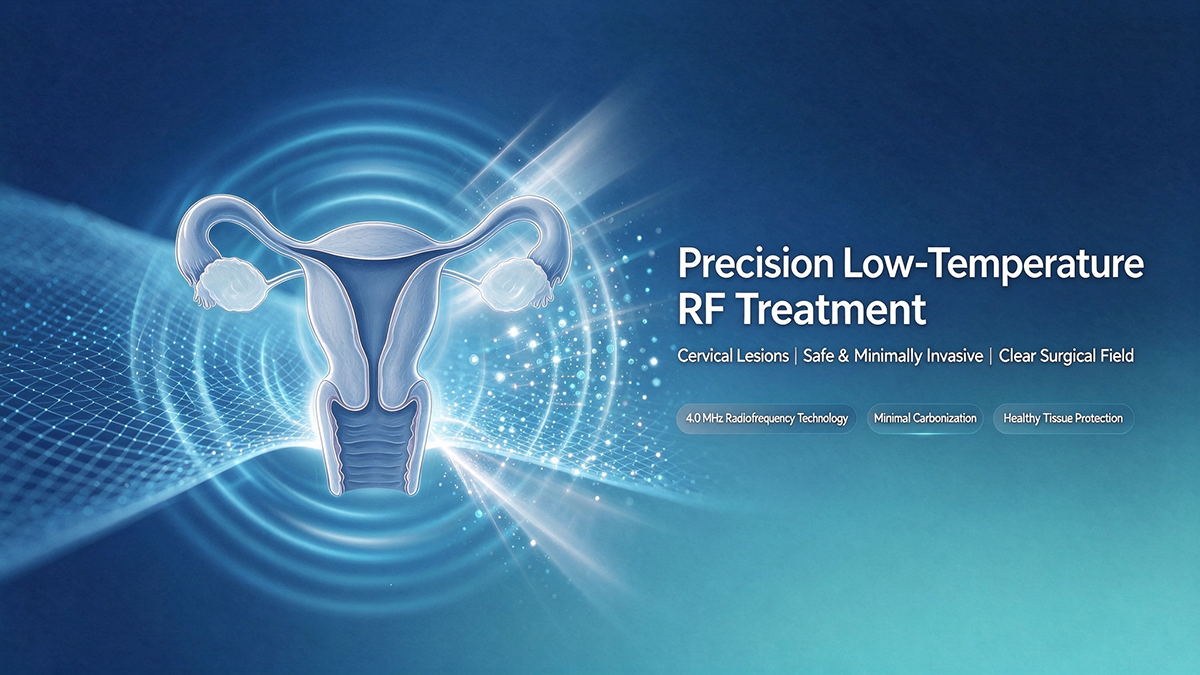
Cervical lesions and minor gynecologic procedures have long challenged clinicians with intraoperative bleeding, excessive thermal damage, and slow wound healing that may compromise future fertility. Beijing Geruilangbo Technology Co., Ltd.'s 4.0 MHz radiofrequency technology enables precise low-temperature cutting and coagulation with minimal carbonization, keeping the surgical field clear and protecting healthy cervical tissue. Patients benefit from less intraoperative bleeding, shorter operative time, and faster recovery — making RF an ideal choice for delicate gynecologic surgery.
Radiofrequency technology causes water molecules within cells to undergo vigorous motion under the influence of 4.0 MHz radiofrequency electromagnetic waves, leading to cell swelling and rupture, thereby enabling low-temperature tissue cutting. The intense molecular motion generates a certain amount of heat, which in turn promotes coagulation of small blood vessels. Conventional high-frequency electrosurgical devices (typically operating at frequencies between 400 kHz and 750 kHz) convert electrical energy into thermal energy, causing local tissue carbonization and thus achieving both cutting and hemostasis. In comparison, radiofrequency technology causes less thermal damage to tissues during surgery, making it particularly well-suited for delicate, minimally invasive procedures. Its unique spray-coagulation function can effectively address significant bleeding issues encountered in clinical surgeries.
| 4.0 MHz Radiofrequency Technology | Conventional High-Frequency Electrosurgical Devices(400kHz–750kHz) | |
|---|---|---|
| Working Principle | Water molecules vibrate vigorously to realize low-temperature cutting | Electric energy directly converted into thermal energy |
| Tissue Carbonization | Minimal carbonization | Obvious local tissue carbonization |
| Thermal Damage | Low thermal injury to surrounding healthy tissue | Large range of thermal damage |
| Cutting & Hemostasis | Precise cutting + unique spray-coagulation for heavy bleeding | Cutting and hemostasis via high heat |
| Application | Delicate minimally invasive gynecologic procedures | General electrosurgical operation |
| Clinical Advantage | Clear surgical field, favorable for tissue protection | Simple function, easy to cause tissue injury |
Clinical application
Minimally invasive treatment for cervical erosion, cervical tumors, cervical cysts, cervical hypertrophy, cervical polyps, and more.

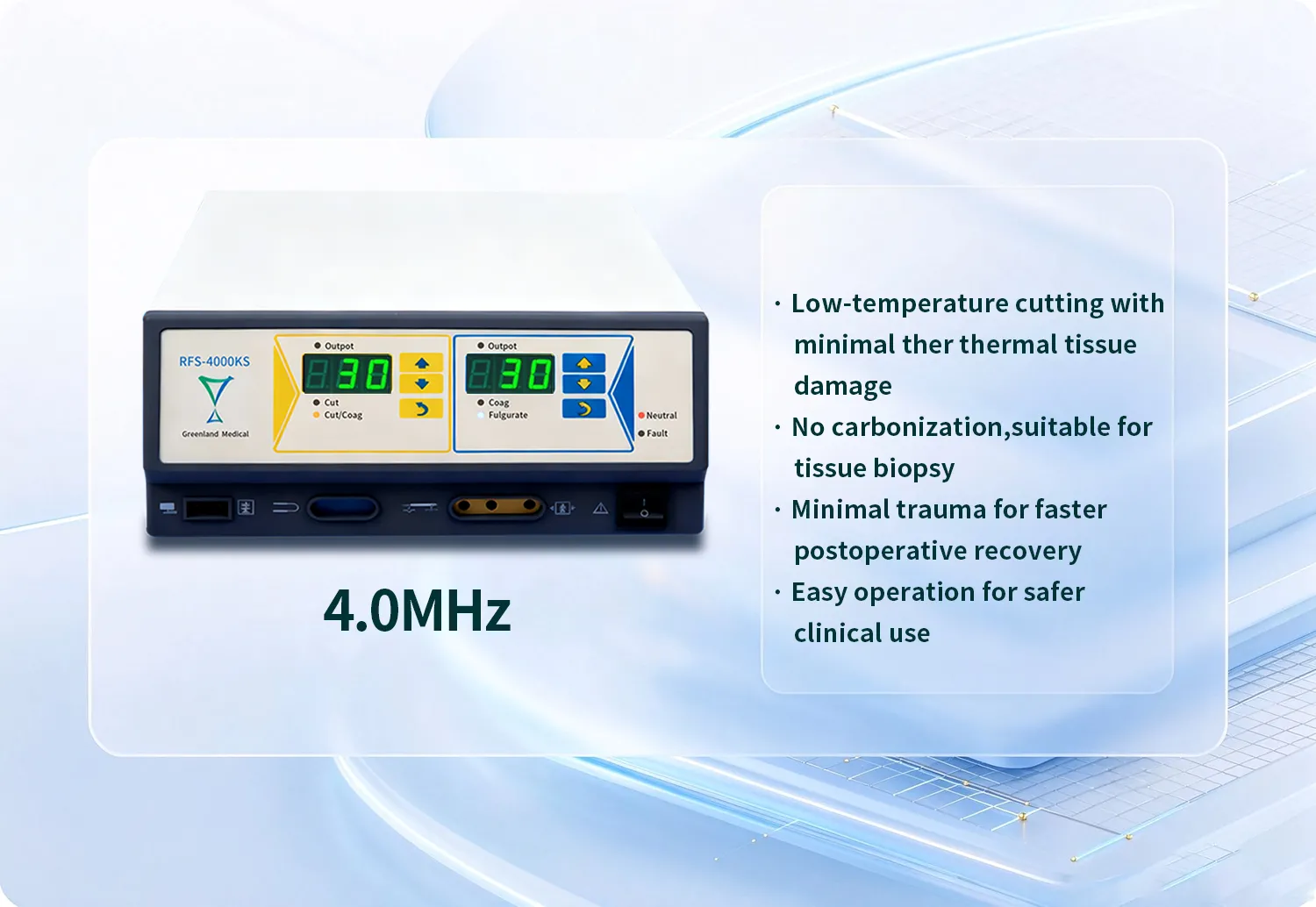
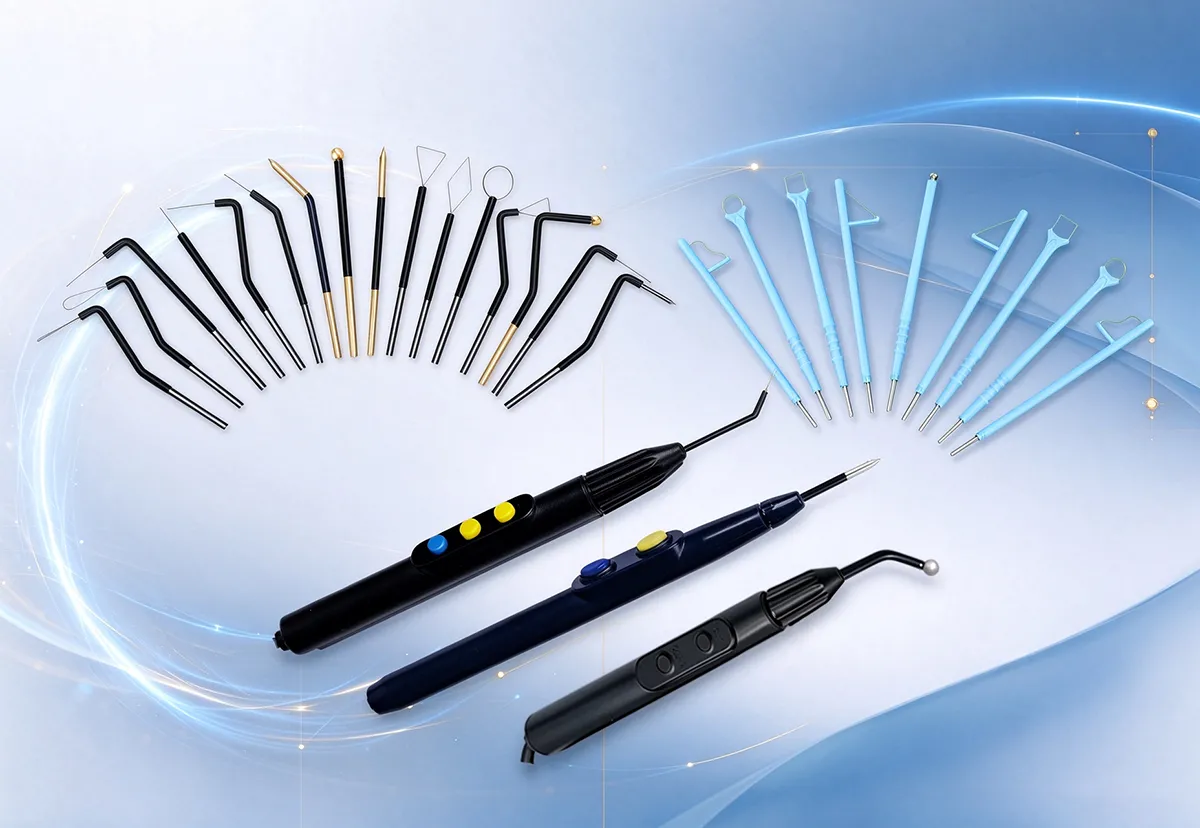
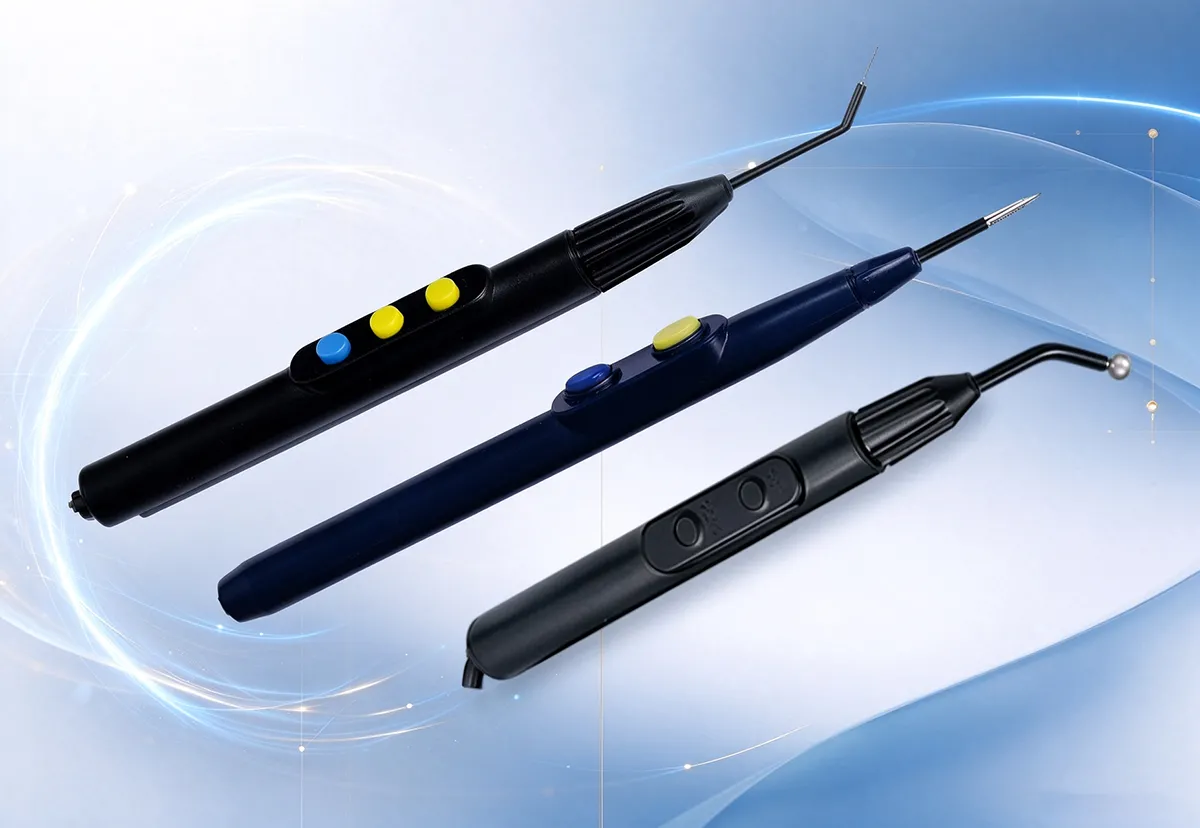
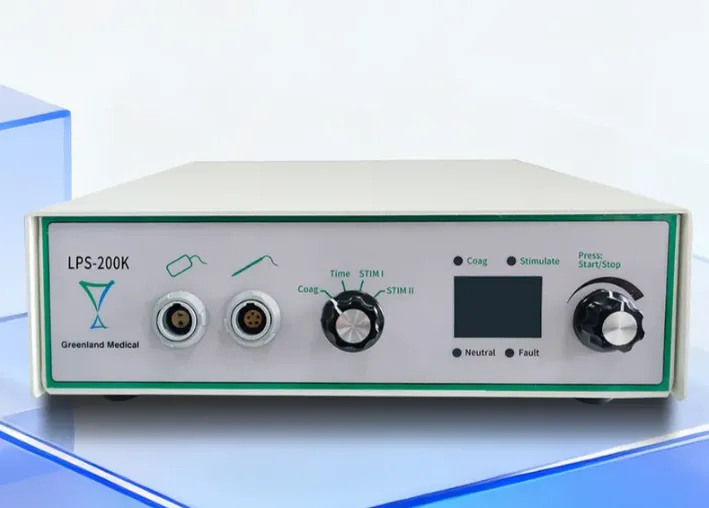
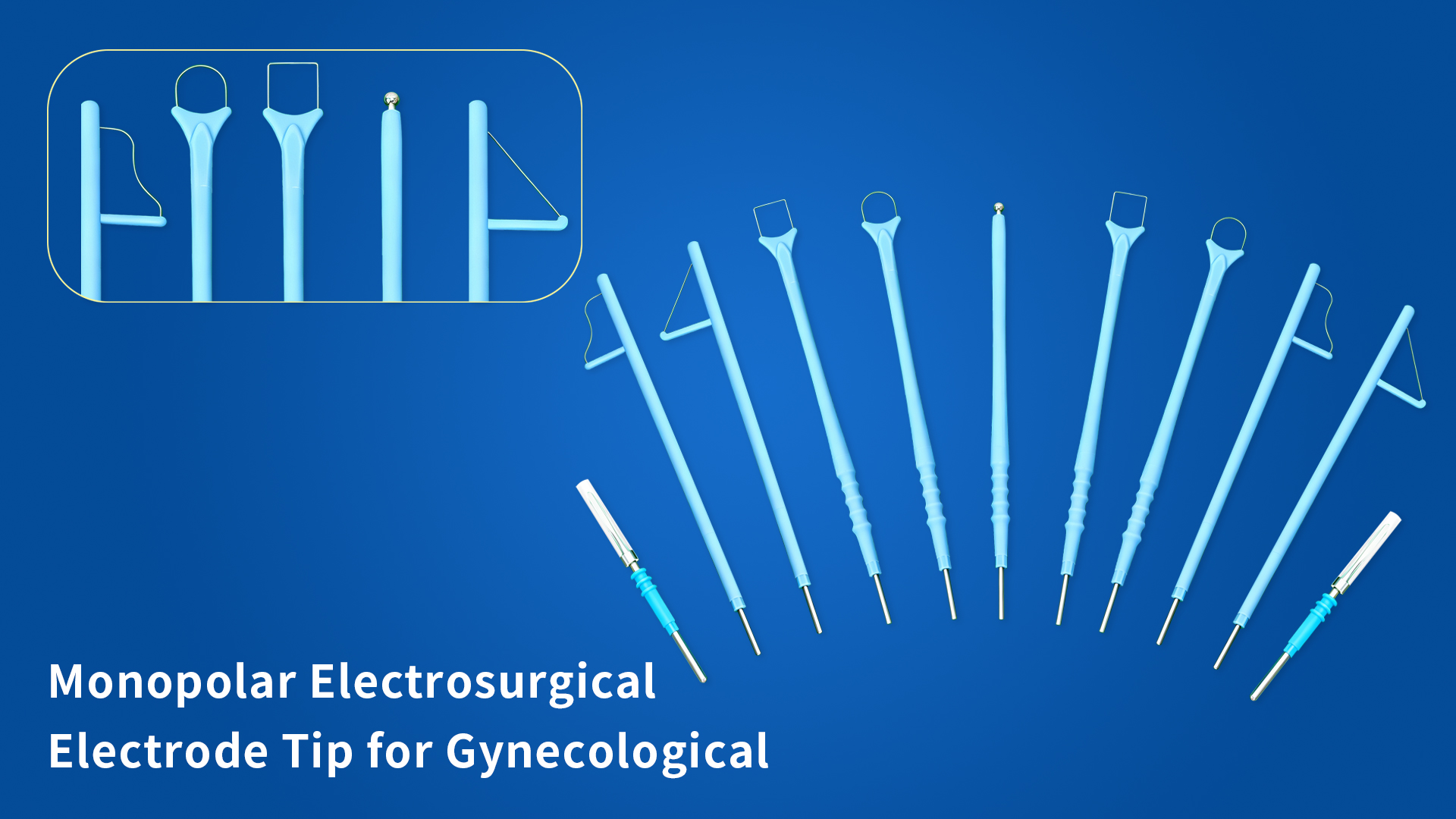
RFS-4000KS Radiofrequency Generator is equipped with 4.0 MHz monopolar output. It can be used with special gynecological electrode tips and handpieces for gynecological surgeries. A capacitive neutral plate is required for monopolar mode. It enables precise low-temperature cutting and coagulation with zero tissue carbonization and minor thermal damage, suitable for delicate minimally invasive gynecologic surgeries such as cervical lesion treatment.
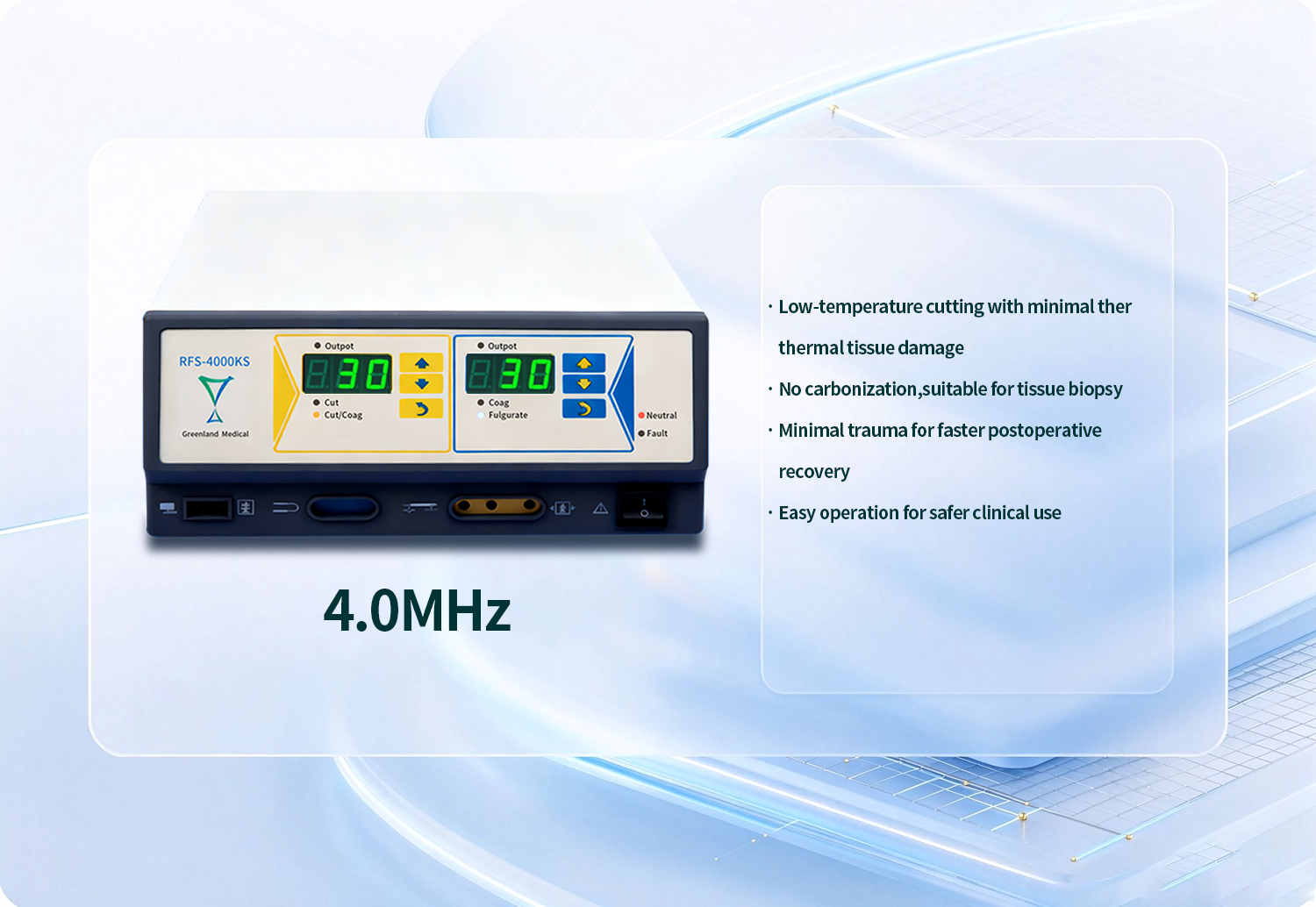
RFS-4000KS
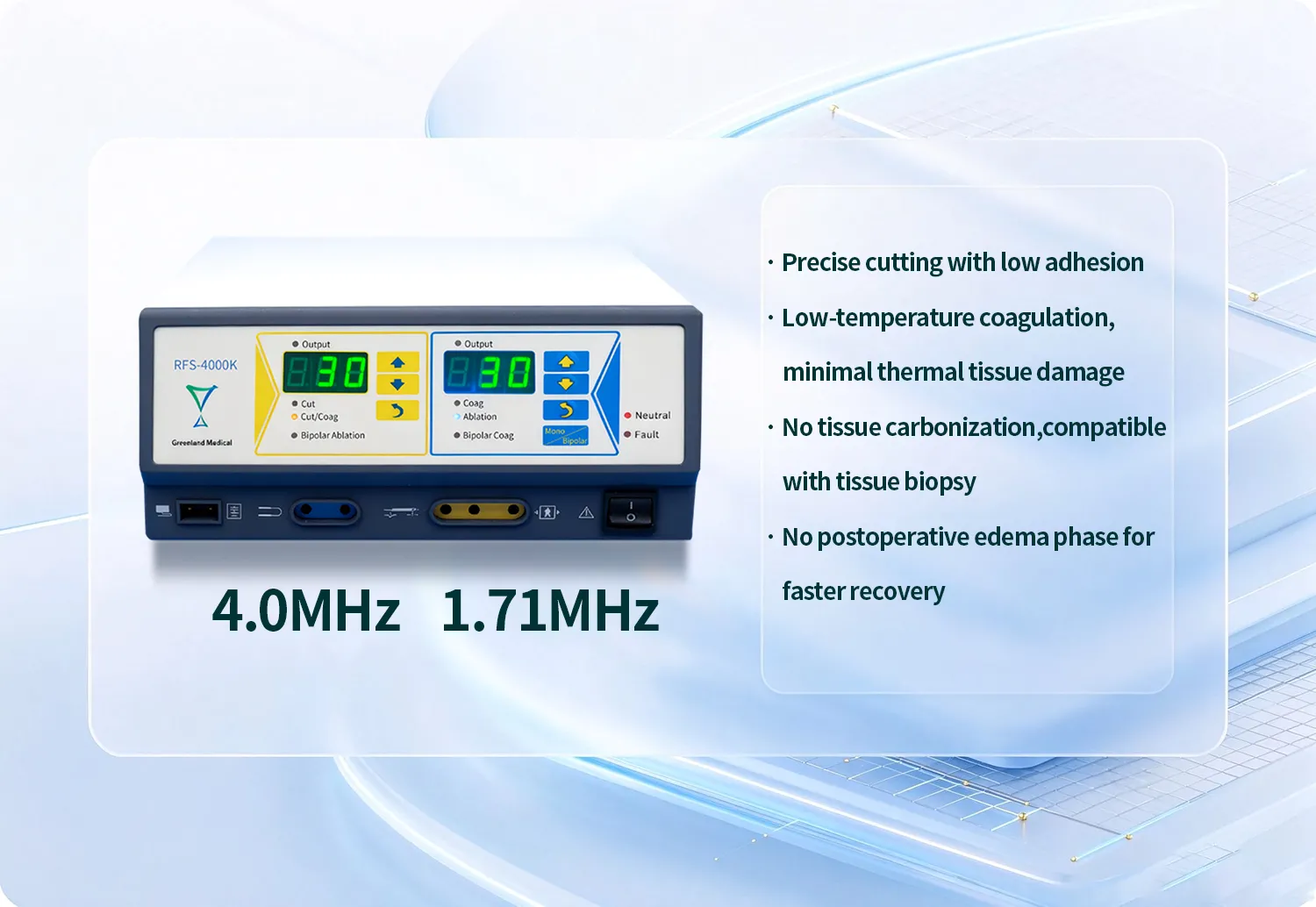
RFS-4000K Radiofrequency Generator is equipped with 4.0 MHz monopolar output and 1.71 MHz bipolar output. It can be used with special gynecological electrode tips and handpieces for gynecological surgeries. A capacitive neutral plate is required for monopolar mode. The bipolar mode delivers concentrated energy for wider application scenarios, supporting precise cutting and hemostasis to meet diversified clinical demands of minimally invasive gynecologic surgery.
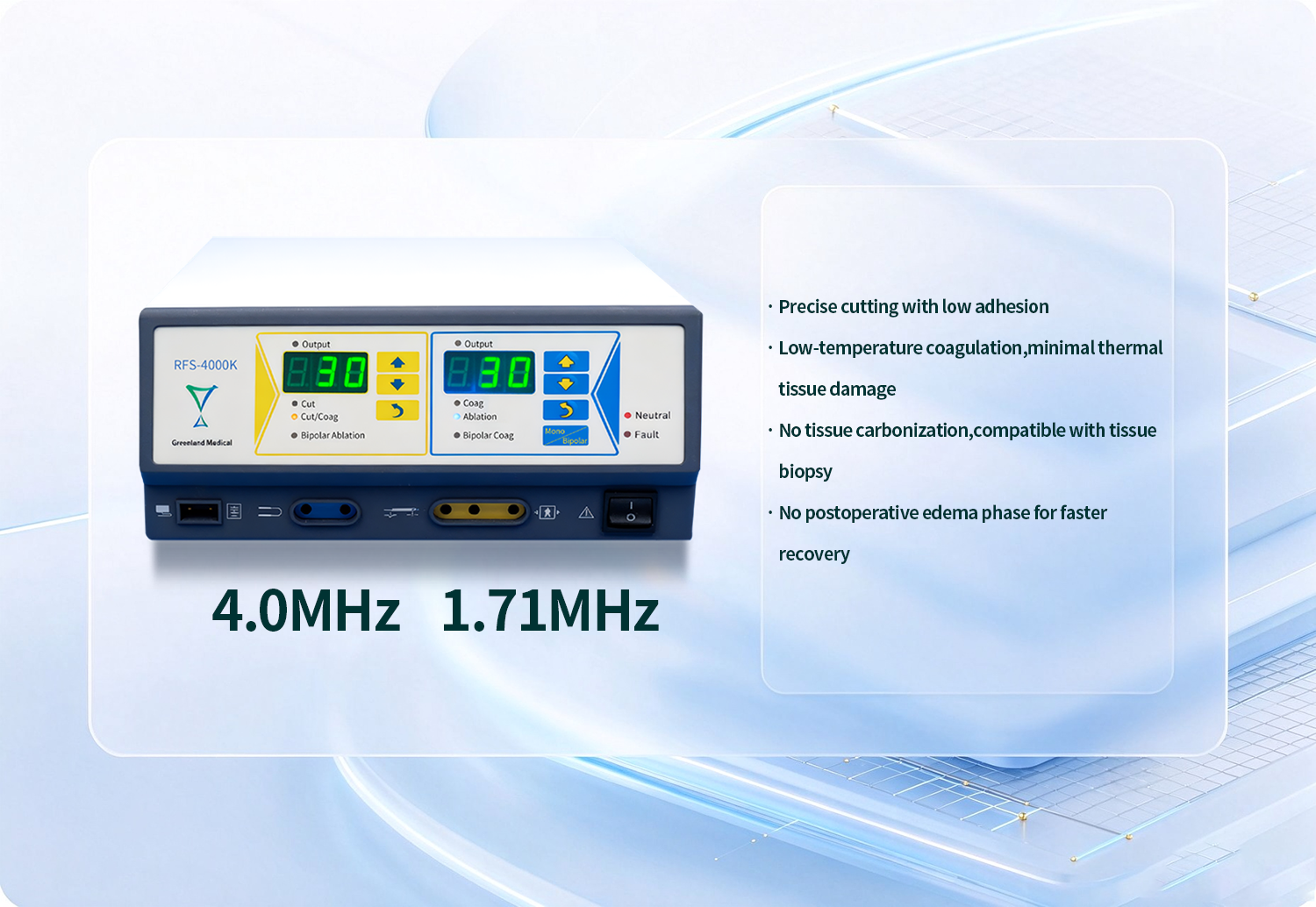
RFS-4000K
Surgical characteristics
►Low temperature: The maximum tissue temperature in the surgical area ≤ 70℃; tissue viability is preserved, and tissue biopsies can be performed.
►Minimally invasive: Local anesthesia surgery with precise techniques that are easy to control; minimal tissue damage and no carbonization; little swelling, excellent healing, and rapid recovery.
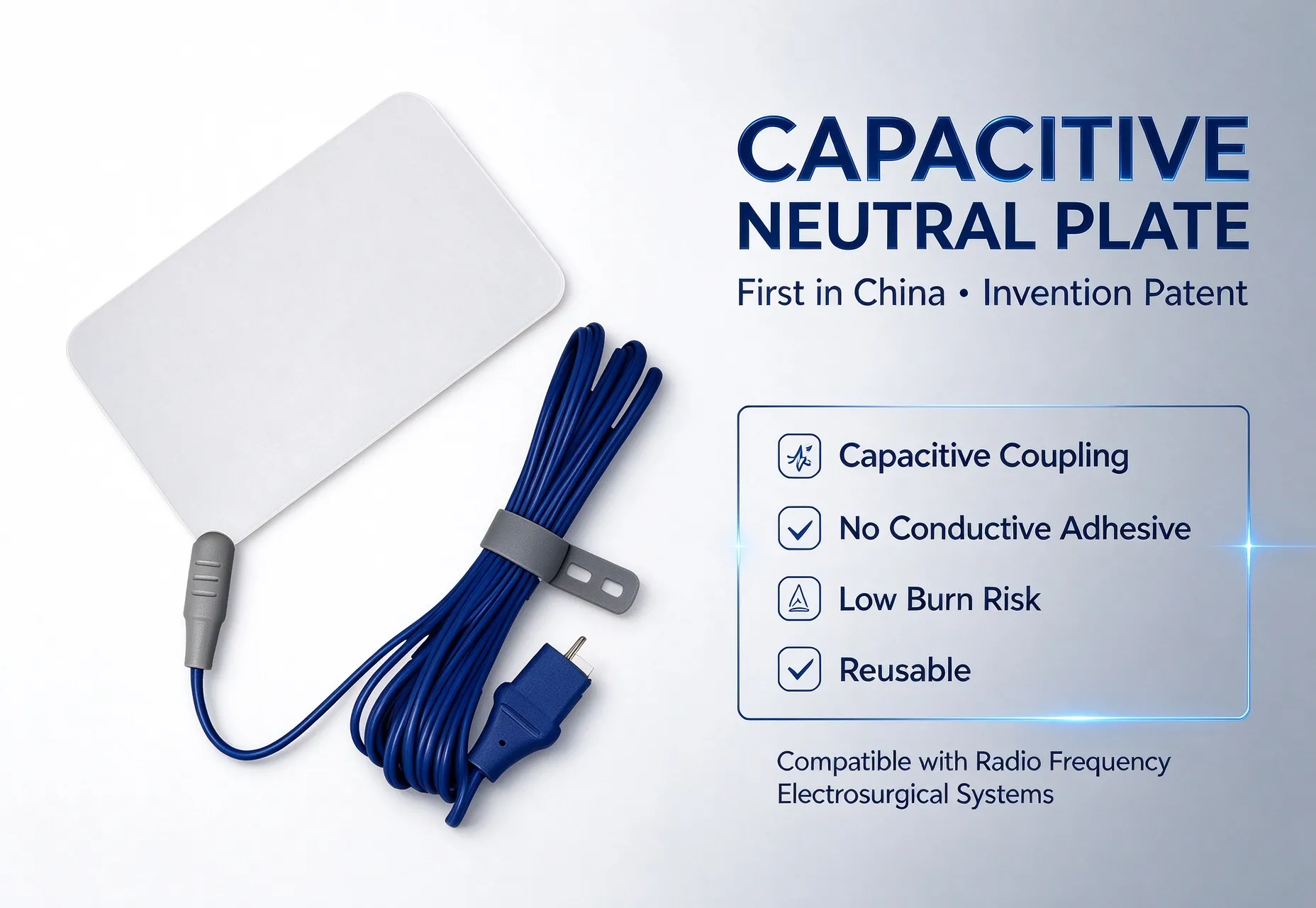
►Safety: The neutral electrode design allows for use even when clothes are placed on top of it. With no negative electrode, no current flows through the electrodes, the neutral electrode, or the human body, thus eliminating the risk of electric shock and resistive thermal burns.
►Combined cutting and hemostasis: While performing the cut, simultaneous hemostasis is achieved, resulting in a clearer surgical field and enabling the surgeon to complete the procedure more quickly, conveniently, and accurately.

-
Previous
RELATED PRODUCTS