
Ophthalmology
RF Electrosurgical Solutions for Ophthalmology
Radiofrequency technology causes water molecules within cells to undergo vigorous motion under the influence of 4.0 MHz radiofrequency electromagnetic waves, leading to cell swelling and rupture, thereby enabling low-temperature tissue cutting. The intense molecular motion generates a certain amount of heat, which in turn promotes coagulation of small blood vessels. Conventional high-frequency electrosurgical units (typically operating at frequencies between 400 kHz and 750 kHz) convert electrical energy into thermal energy, causing local tissue carbonization and thus achieving both cutting and hemostasis. In comparison, radiofrequency technology causes less thermal damage to tissues during surgery, making it particularly well-suited for delicate, minimally invasive procedures. Its unique spray-coagulation function can effectively address significant bleeding issues encountered in clinical surgeries.
Greenland provides RF electrosurgical solutions for ophthalmology, supporting precise tissue cutting, controlled coagulation, ablation, and hemostasis in delicate surgical procedures. Our radiofrequency surgical systems are designed for applications where accurate energy delivery and controlled tissue effects are important, including oculoplastic and external ocular procedures.
By using high-frequency radiofrequency energy, the system supports fine tissue handling while helping limit unnecessary thermal impact on surrounding tissue. Bipolar operation enables localized energy delivery between the instrument tips, making it suitable for delicate coagulation and other procedures requiring controlled surgical energy.
Clinical application
Oculoplastic and cosmetic surgery: upper eyelid ptosis, removal of eye bags, epicanthal folds, conjunctival laxity, ectropion and entropion of the eyelids, external ocular surgery, and more.
Orbital Diseases: Orbital trauma, orbital inflammation, orbital tumors, trichiasis, and others.

Ophthalmic RF Electrosurgery for Precise Tissue Control
RF electrosurgery can combine tissue cutting and coagulation within a single surgical platform. Compared with conventional high-frequency electrosurgical approaches, high-frequency RF technology is designed to support fine cutting with controlled thermal effects and reduced tissue carbonization.
For ophthalmic surgery, this combination of precision cutting and coagulation can help maintain a clear surgical field and support controlled tissue handling during delicate procedures.
Greenland RF surgical systems are available with monopolar and bipolar operating modes, allowing the configuration to be matched to the procedure and surgical technique.
Oculoplastic and Ophthalmic Surgical Applications
Our RF electrosurgical systems are designed for a range of ophthalmic and oculoplastic procedures where precise cutting and coagulation are required.
Oculoplastic Surgery
Applications include:
-
♦ Upper eyelid ptosis procedures
-
♦ Eye bag removal
-
♦ Epicanthal fold procedures
-
♦ Conjunctival laxity procedures
-
♦ Eyelid ectropion and entropion procedures
-
♦ External ocular surgery
-
♦ Other delicate oculoplastic procedures
Orbital and External Eye Procedures
RF electrosurgical technology can also support selected procedures involving:
-
♦ Orbital trauma
-
♦ Orbital inflammation
-
♦ Orbital tumors
-
♦ Trichiasis
-
♦ External ocular tissue procedures
The appropriate surgical mode, accessory, output setting, and device configuration should be selected according to the procedure, tissue condition, and applicable clinical requirements.
RF Electrosurgical Units for Ophthalmology
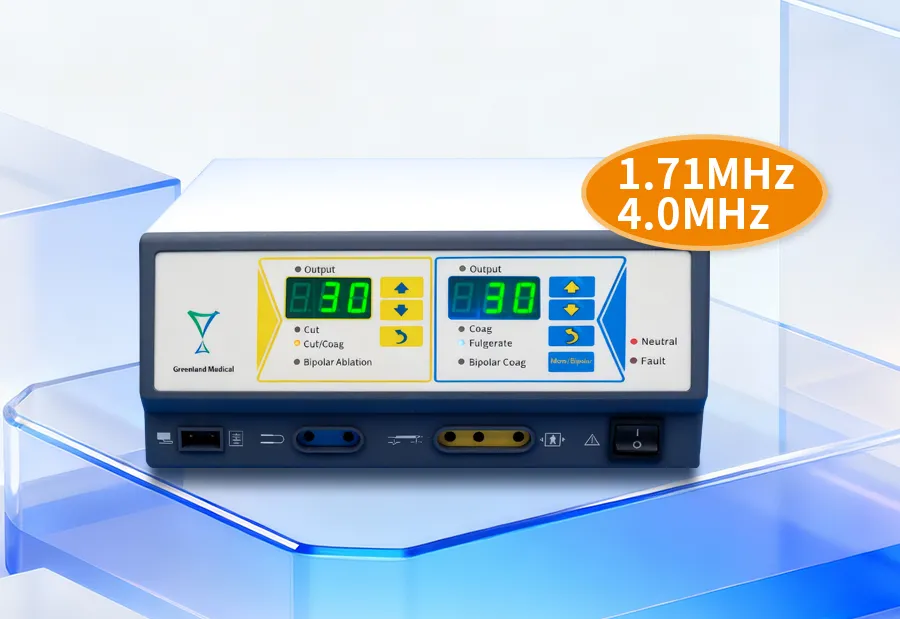
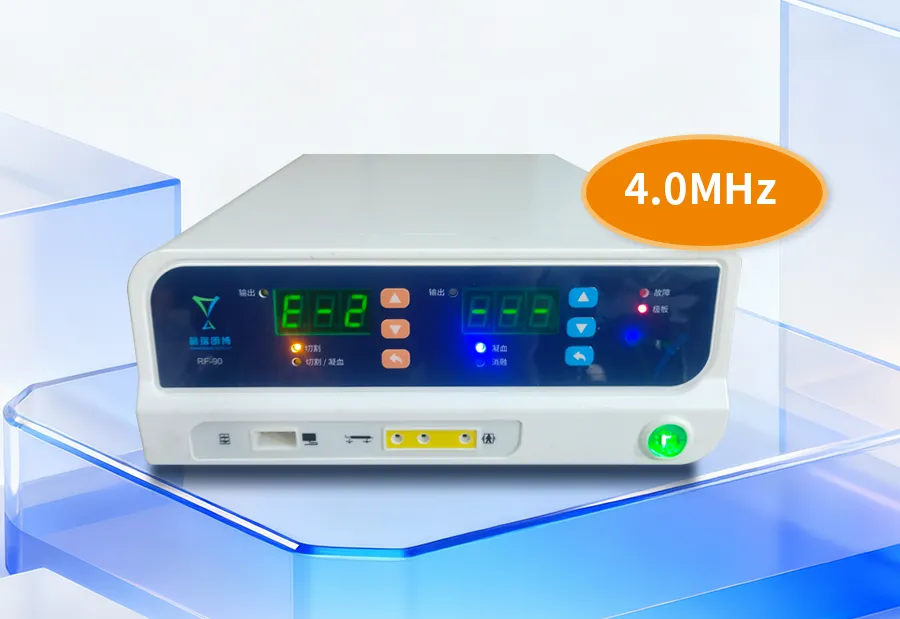
Greenland offers RF surgical units that combine high-frequency output, monopolar and bipolar functions, and multiple surgical operating modes.
| RF Surgical Unit | Output Configuration | Key Application Value |
|---|---|---|
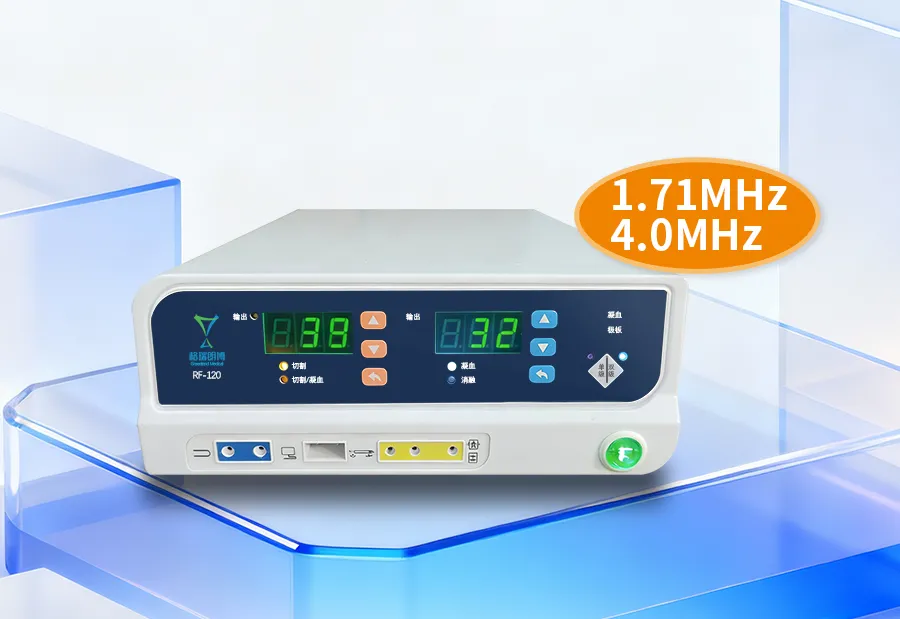
| RF-120 | 4.0 MHz monopolar / 1.71 MHz bipolar | Precise cutting, coagulation and ablation for delicate and minimally invasive procedures |
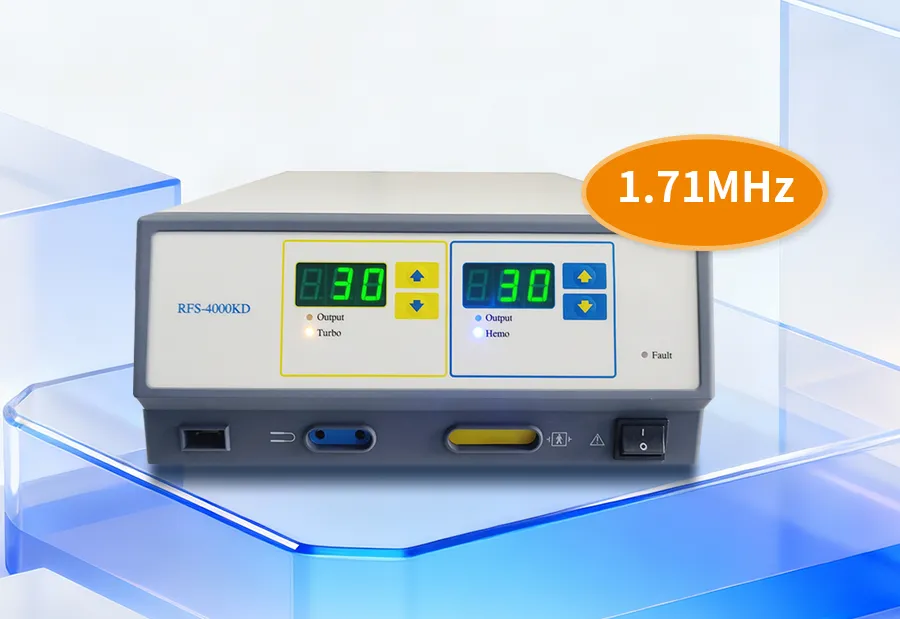
| RFS-4000K | 4.0 MHz monopolar / 1.71 MHz bipolar | Flexible multi-mode RF electrosurgery for cutting, coagulation, ablation and hemostasis |
RF-120
The RF-120 is a dual-frequency RF electrosurgical unit supporting 4.0 MHz monopolar and 1.71 MHz bipolar operation. It is designed for controlled tissue cutting, coagulation, and ablation across a variety of surgical applications, including ophthalmology.
RFS-4000K
The RFS-4000K combines 4.0 MHz monopolar output with 1.71 MHz bipolar output and provides multiple working modes for different surgical requirements. Its configuration supports precise cutting, controlled coagulation, ablation, and localized bipolar coagulation.
Key Functions for Ophthalmic Electrosurgery
Monopolar Cutting and Coagulation
Monopolar RF operation supports tissue cutting and coagulation for procedures requiring controlled energy delivery through an active surgical electrode.
Bipolar Coagulation
Bipolar operation concentrates the electrical pathway between the two electrodes, supporting localized coagulation for delicate surgical procedures and helping surgeons control bleeding with targeted energy delivery.
Controlled Tissue Cutting
RF energy is suitable for fine tissue cutting where controlled surgical performance and tissue preservation are important considerations.
Hemostasis
Cutting and coagulation capabilities can be used together to support bleeding control and maintain a clearer surgical field during procedures.
Multiple Surgical Modes
Depending on the selected model, Greenland RF electrosurgical units provide multiple operating modes for cutting, coagulation, and ablation, allowing the system to be configured for different clinical requirements.
Compatible Ophthalmic Electrosurgical Accessories
A complete ophthalmic electrosurgical setup may include compatible accessories selected according to the operating mode and procedure.
Available system accessories include:
-
♦ Bipolar coagulation forceps
-
♦ Surgical electrodes
-
♦ Foot switch
-
♦ Neutral plate
-
♦ Power cord
-
♦ Other compatible electrosurgical accessories
Accessory selection may vary according to device model, procedure, and destination-market requirements.
How to Choose an Ophthalmic RF Surgical Unit
For hospitals, ophthalmic clinics, medical distributors, and surgical equipment buyers, the appropriate RF electrosurgical unit should be selected according to the intended procedure and system configuration.
Before purchasing an ophthalmic electrosurgical unit, consider:
-
♦ Required monopolar or bipolar operation
-
♦ Cutting, coagulation, or ablation functions
-
♦ Required output frequency and power range
-
♦ Ophthalmic surgical applications
-
♦ Compatible forceps and electrodes
-
♦ Foot switch and accessory configuration
-
♦ Local voltage and electrical requirements
-
♦ Regulatory and technical documentation required for the destination market
Greenland can help match the appropriate RF surgical system and accessory configuration to your intended ophthalmic applications.
Why Choose Greenland for Ophthalmic RF Surgery
Greenland has more than 20 years of experience in radiofrequency surgical technology and develops and manufactures RF surgical equipment for minimally invasive and precision surgical applications.
Our product portfolio covers RF electrosurgical units, plasma surgical systems, surgical electrodes, bipolar forceps, and related accessories, allowing buyers to source compatible equipment and consumables within one product system.
For international medical distributors and healthcare projects, product selection can be matched according to procedure requirements, accessory configuration, electrical specifications, and available technical documentation.
Frequently Asked Questions About Ophthalmic Electrosurgery
What is an ophthalmic electrosurgical unit?
An ophthalmic electrosurgical unit is a surgical energy generator designed to deliver controlled electrical energy for procedures involving tissue cutting, coagulation, cautery, or related surgical functions. RF-based systems are used when precise energy delivery is required during delicate procedures.
What is RF electrosurgery used for in ophthalmology?
RF electrosurgery can be used for selected oculoplastic, external ocular, and orbital procedures that require precise tissue cutting or coagulation. Applications may include eyelid procedures, conjunctival procedures, trichiasis treatment, and selected orbital or external eye surgery.
What is the difference between monopolar and bipolar electrosurgery?
In monopolar electrosurgery, current travels from the active electrode through the tissue and returns through a return electrode. In bipolar electrosurgery, the electrical pathway is concentrated between two electrodes, such as the tips of bipolar forceps, allowing localized energy delivery.
Which RF electrosurgical unit is suitable for ophthalmology?
The RF-120 and RFS-4000K both provide 4.0 MHz monopolar and 1.71 MHz bipolar operation and can support ophthalmic applications. The appropriate model depends on the required surgical functions, operating modes, accessories, and project configuration.
Can Greenland provide an ophthalmic RF electrosurgical system for international projects?
Yes. Greenland develops and manufactures RF surgical systems and related accessories for international markets. Buyers can contact our team with their intended ophthalmic procedures, preferred configuration, electrical requirements, accessories, and destination market so that the appropriate system can be discussed.
Request an Ophthalmic RF Electrosurgical Solution
Looking for an ophthalmic electrosurgical unit for a hospital, clinic, medical distribution project, or regional market?
Contact Greenland for RF surgical system specifications, model selection, accessory configuration, and technical documentation.
Tell us your intended ophthalmic procedures and project requirements to receive a suitable RF electrosurgical solution.

-
Previous
RELATED PRODUCTS