ENT Plasma and Radiofrequency Surgery Solutions
Low temperature plasma ablation is a minimally invasive surgical method for treating nasal and pharyngeal diseases, mainly used to treat chronic tonsillitis, adenoid hypertrophy, chronic rhinitis, sinusitis, snoring and other diseases.
Greenland provides plasma and radiofrequency surgical solutions for hospitals, ENT departments, medical device distributors and international procurement projects. The solution portfolio combines surgical generators, procedure-matched electrodes, plasma ablation wands and operating accessories for controlled soft-tissue cutting, ablation, coagulation and hemostasis.
For otorhinolaryngology applications, equipment selection should be based on the intended procedure, energy mode, electrode configuration, required output range and local regulatory requirements. Buyers can source a dedicated Coblation Plasma Surgery System or select an integrated plasma and RF platform for departments requiring broader clinical flexibility.
1. Chronic tonsillitis
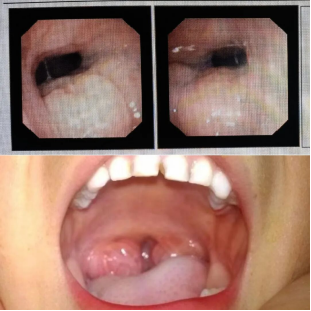
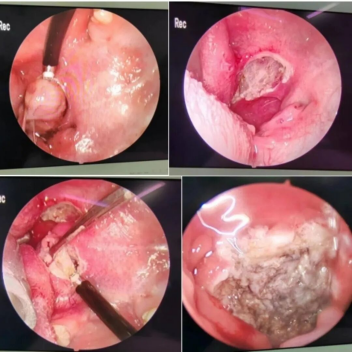
Chronic tonsillitis is a chronic inflammation of the tonsils caused by repeated infections of pathogens. Low temperature plasma ablation uses low-temperature heating to induce coagulation, degeneration, and gradual detachment of tonsil tissue, thereby achieving the goal of removing or reducing tonsils. This method has the advantages of minimal trauma, less bleeding, and relatively mild postoperative pain.
2. Adenoid hypertrophy
Adenoid hypertrophy is a common upper respiratory obstruction disease in children, which can lead to symptoms such as nasal congestion, mouth breathing, and snoring during sleep. Low temperature plasma ablation can accurately ablate and vaporize enlarged adenoid tissue under the guidance of nasal endoscopy. Compared to traditional surgical instrument scraping, this technique causes less damage to surrounding normal tissues, reduces the probability of adenoid recurrence after surgery, and can effectively improve nasal ventilation function in children.
3. Chronic rhinitis
Low temperature plasma ablation can be an effective treatment option for chronic rhinitis caused by inferior turbinate hypertrophy, nasal septum deviation, etc., which have poor conservative treatment effects with drugs. Surgery involves contracting or removing partially thickened mucosa and submucosal tissue of the inferior turbinate to expand the nasal airway and alleviate nasal congestion symptoms.
4. Sinusitis
For chronic sinusitis, especially when accompanied by nasal structural abnormalities such as hypertrophy of the uncinate process and poor gasification of the middle turbinate, low-temperature plasma ablation can be used in combination with functional endoscopic sinus surgery. During surgery, its cutting and hemostatic functions can be utilized to accurately remove diseased tissue, open blocked sinus openings, and promote sinus drainage.
5.Snoring disorder
Low temperature plasma ablation is commonly used to treat obstructive sleep apnea hypopnea syndrome. Surgical ablation and shaping are performed on upper airway obstruction sites such as the soft palate, uvula, tonsils, and tongue base, which are prone to collapse and hypertrophy, to expand the pharyngeal space and reduce or eliminate snoring and apnea.
How Low-Temperature Plasma Supports ENT Surgery
Low-temperature plasma technology uses radiofrequency energy in a conductive saline environment to create a localized plasma field near the electrode tip. Depending on the selected generator, electrode and operating mode, the system can support tissue ablation, cutting and coagulation while helping clinicians control thermal impact around the treatment area.
This makes plasma surgery systems relevant to ENT procedures performed in narrow and delicate anatomical spaces. Typical system-level advantages include:
- ♦ Integrated ablation and coagulation functions
- ♦ Adjustable energy output for different tissue-management requirements
- ♦ Controlled operation in a low-temperature working range
- ♦ Procedure-specific disposable electrode options
- ♦ Different electrode structures and angles for varied surgical access
- ♦ Foot-switch control to support operating-room workflow
- ♦ A coordinated supply of generators, consumables and accessories
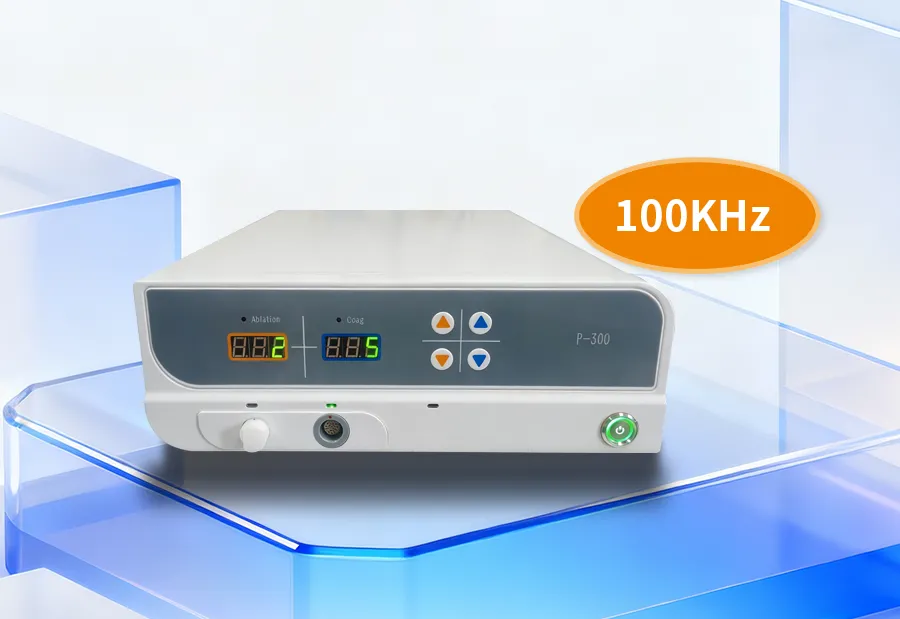
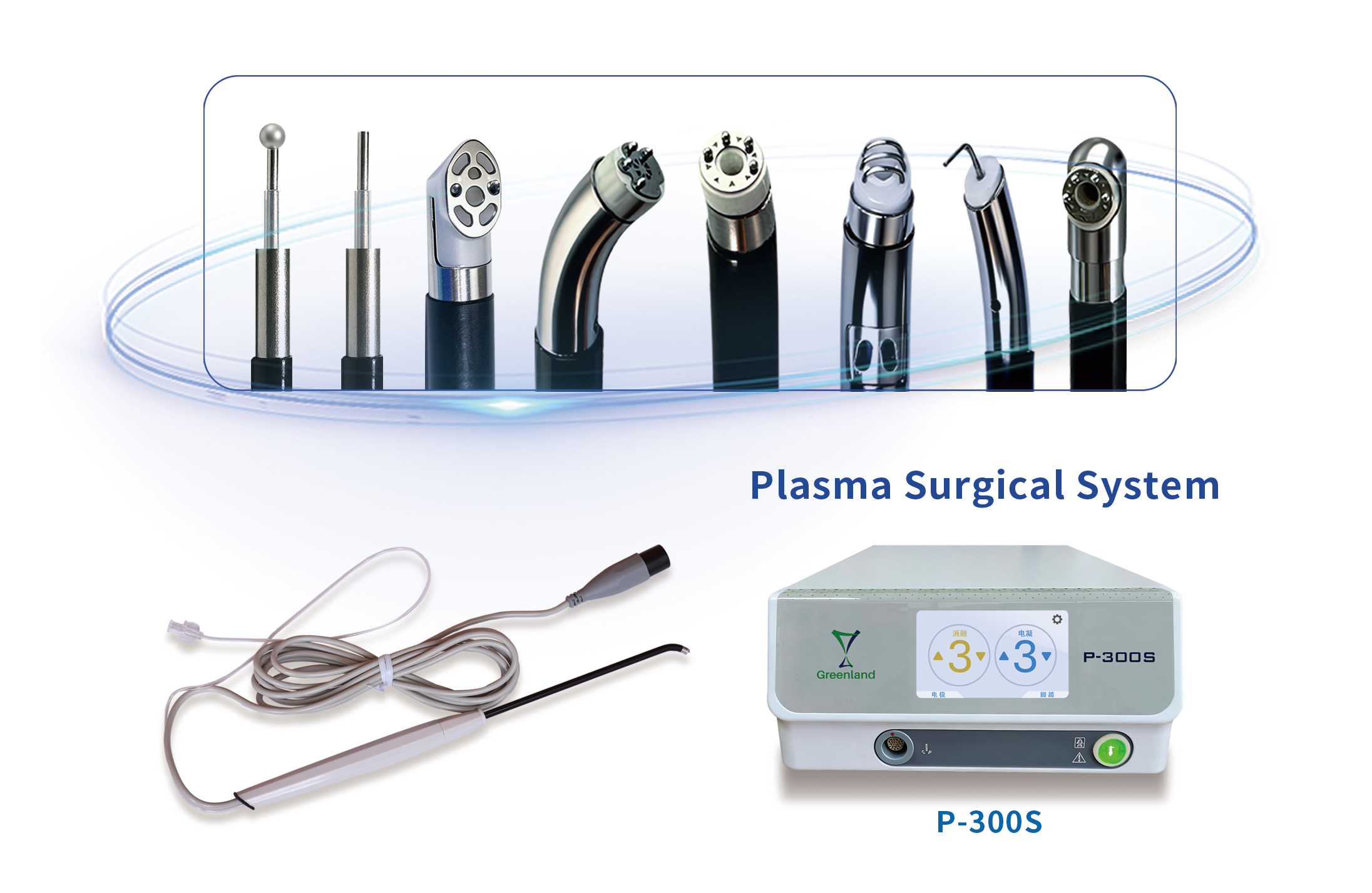
Buyers who need a dedicated ENT plasma platform can review the Plasma Surgery System P-300. The system operates at a plasma-mode frequency of 100 kHz, with a stated working temperature range of 40°C–70°C and maximum plasma output of up to 350 W.
Representative ENT Procedures
Greenland’s ENT plasma and RF solutions may be configured for procedures such as:
Tonsillectomy and Tonsil Reduction
Plasma electrodes can support tissue removal, ablation and coagulation during tonsil procedures. Electrode shape, working length and compatibility should be confirmed according to the surgical technique and generator model.
Adenoidectomy
For adenoid procedures performed under endoscopic visualization, an appropriate plasma wand can help provide access to the target area while combining ablation and coagulation functions. Pediatric applications require careful confirmation of the product’s registered indications in the destination market.
Turbinate Reduction
Low-temperature plasma systems may be used for submucosal tissue ablation and turbinate-volume reduction. Buyers should specify whether the intended workflow involves puncture, channeling, surface ablation or another technique so that a suitable electrode can be recommended.
Sinus and Nasal Procedures
Plasma or radiofrequency instruments may support selected soft-tissue cutting, ablation and hemostasis requirements during nasal and sinus procedures. Electrode angle and access length are important selection factors for narrow operative fields.
Laryngeal and Pharyngeal Procedures
Depending on the applicable registration and electrode configuration, the system may support the removal or ablation of selected polyps, lesions and soft tissue in the laryngeal or pharyngeal region.
All clinical use must follow the approved indications, instructions for use and applicable regulations in the destination market.
ENT System and Product Selection
| Procurement requirement | Recommended Greenland solution | Main points to confirm |
|---|---|---|
| Dedicated ENT plasma platform | Plasma Surgery System P-300 | Procedure, output requirement, voltage and electrode models |
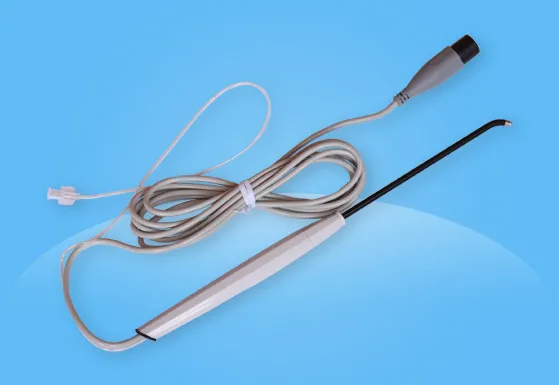
| Disposable plasma consumables | Plasma Ablation Wand | Tip structure, angle, working length, sterility and generator compatibility |
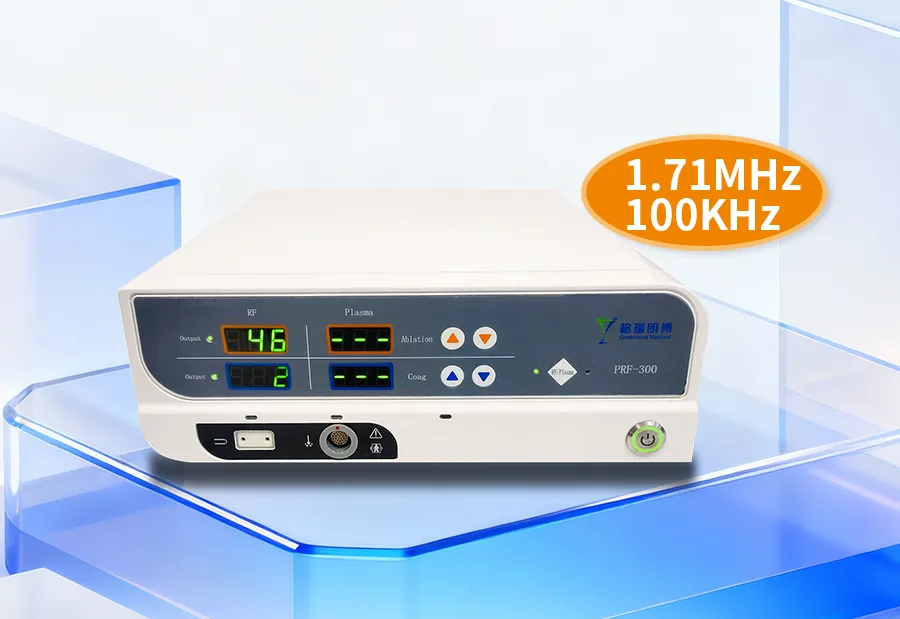
| Plasma and RF functions in one generator | Radio Frequency and Plasma Surgery System PRF-300 | Required energy modes, departments served and matching electrodes |
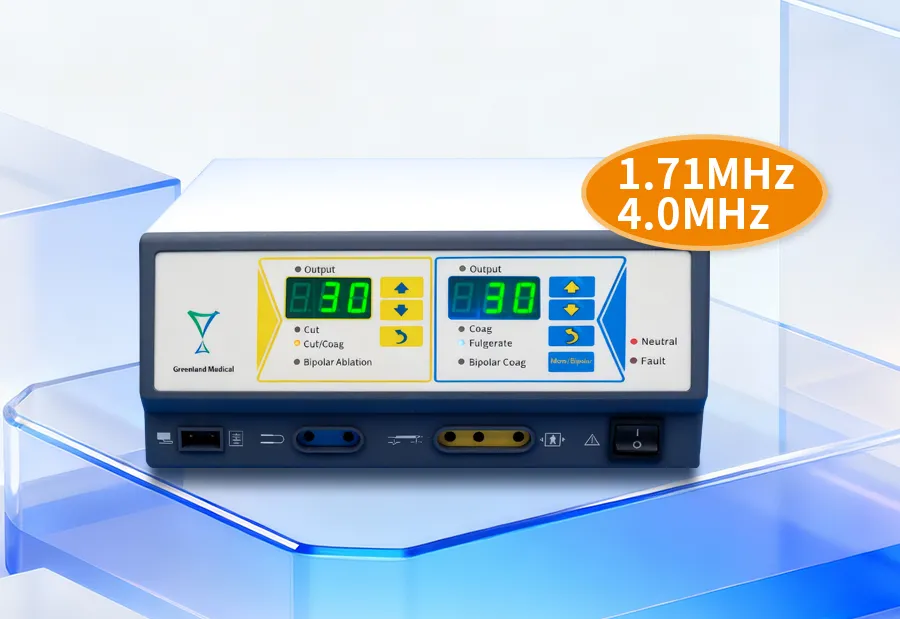
| Fine RF cutting and bipolar coagulation | RF Electrosurgical Unit RFS-4000K | Monopolar/bipolar requirements and accessory configuration |
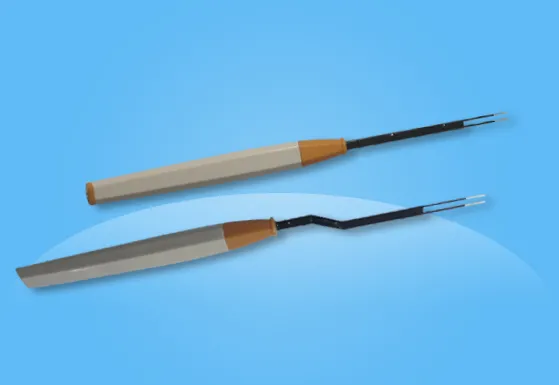
| Controlled bipolar coagulation | Bipolar Electrosurgical Forceps | Tip width, length, angle, reusable/disposable preference and connector type |
P-300 or PRF-300: Which System Fits Your Project?
The P-300 is suitable for buyers seeking a dedicated plasma surgery platform for ENT, sports medicine and other supported plasma applications. It provides plasma-based cutting, ablation and coagulation functions and works with procedure-matched disposable plasma electrodes.
The PRF-300 plasma and RF surgery system combines a 100 kHz plasma mode with a 1.71 MHz radiofrequency mode. It is more suitable for hospitals, distributors and multi-department projects that require both plasma and RF capabilities from one generator.
Before quotation, Greenland can help the buyer compare:
- ♦ Intended ENT procedures
- ♦ Generator operating modes
- ♦ Compatible electrode models
- ♦ Disposable consumption forecasts
- ♦ Standard accessories
- ♦ Local voltage and plug requirements
- ♦ Registration and documentation requirements
- ♦ Training and after-sales expectations
Why Work with Greenland for ENT Surgical Equipment
Established in 2003, Greenland focuses on the research, development and manufacture of plasma and radiofrequency surgical equipment. The company operates under an ISO 13485:2016 quality management system and maintains controlled production and testing facilities for medical-device manufacturing.
For international distributors and hospital procurement projects, Greenland can support:
- ♦ Generators, electrodes and accessories from one product portfolio
- ♦ Procedure-based product configuration
- ♦ Technical documentation review
- ♦ Product operation and distributor training
- ♦ OEM/ODM project evaluation
- ♦ Customized packaging and labeling discussions
- ♦ Bulk consumable purchasing
- ♦ Long-term generator and electrode supply planning
- ♦ Technical and after-sales communication
More manufacturing and quality-system information is available on the About Greenland page.
FAQ
What is the difference between the P-300 and PRF-300?
The P-300 is a plasma surgery platform, while the PRF-300 integrates both plasma and radiofrequency operating modes. The appropriate model depends on the intended procedures and departments.
Which plasma wand should be used for tonsillectomy or adenoidectomy?
The electrode must be selected according to the procedure, surgical access, required angle, generator model and registered indication. Buyers should request a model-specific compatibility list.
Can the generator and disposable electrodes be purchased together?
Yes. A project quotation can include the generator, foot switch, power cable, procedure-matched electrodes and other applicable accessories.
What information is required for a distributor quotation?
Provide the target country, expected generator quantity, annual disposable-electrode demand, required documents, preferred packaging and projected delivery schedule.
Are all regulatory documents the same for every model?
No. Regulatory status and available documentation can differ by product model and destination market. Buyers should verify the required documentation before ordering.
-
Previous
RELATED PRODUCTS