
Bipolar Electrosurgical Accessories for Neurosurgery Applications
July 15, 2026
Neurosurgery requires extremely precise surgical techniques because procedures often involve delicate brain and spinal tissues. Effective bleeding control and accurate tissue management are essential for improving surgical safety and patient outcomes.
Bipolar electrosurgical accessories are widely used in neurosurgical procedures because they allow surgeons to deliver controlled electrical energy between two electrodes located on the same instrument. Unlike monopolar electrosurgery, bipolar technology limits current flow to the targeted tissue area, helping reduce unwanted thermal damage.
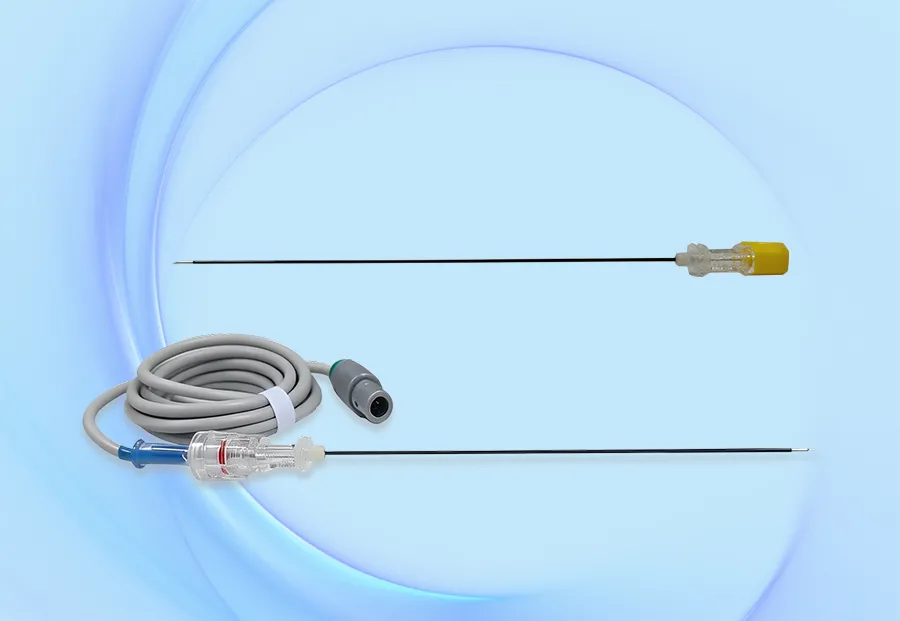
Bipolar electrosurgery utilizes focused high-frequency current passing only between the tips of an instrument. In neurosurgery, this localized energy minimizes thermal spread and eliminates the need for patient grounding pads. Critical accessories include bayonet-style forceps, non-stick coated tips, and specialized irrigation cords to prevent delicate tissue desiccation.
For hospitals, surgical centers, and medical distributors searching for bipolar forceps neurosurgery solutions, instrument design, coagulation performance, precision, and reliability are key purchasing considerations.
Greenland provides advanced neurosurgical bipolar instruments designed for microsurgery, precise coagulation, and professional surgical applications.
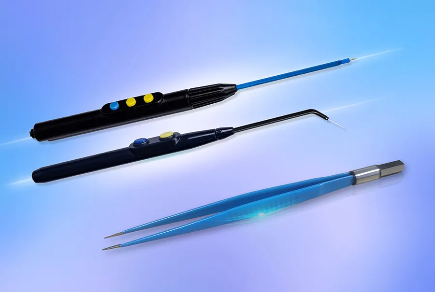
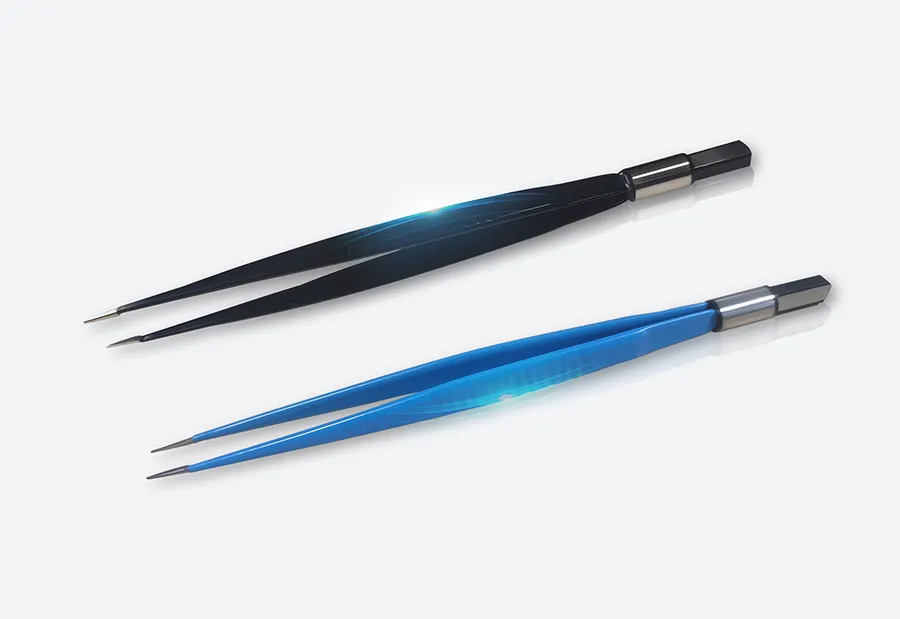
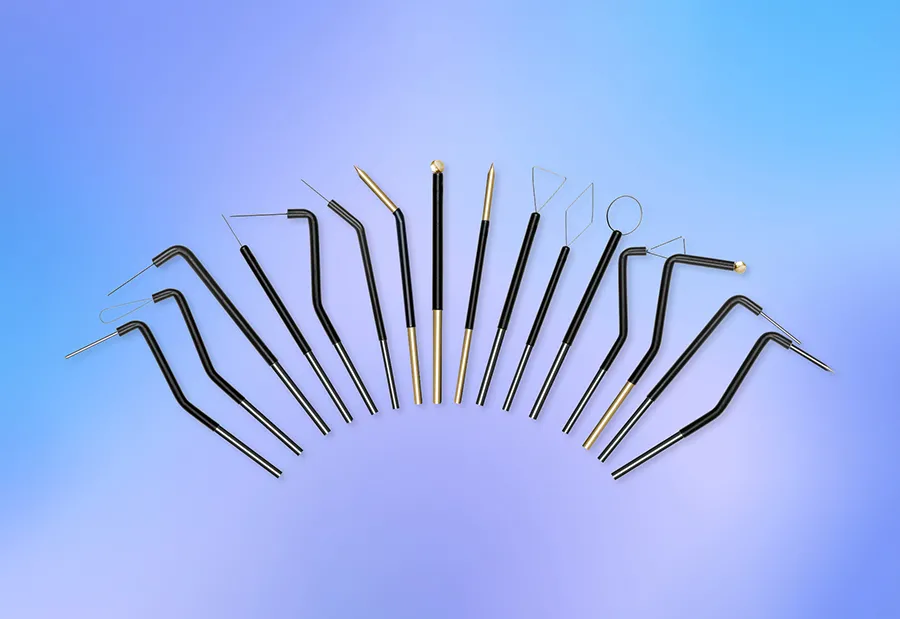
Bipolar Electrosurgical Forceps
What Are Bipolar Electrosurgical Accessories?
Understanding Bipolar Surgical Instruments
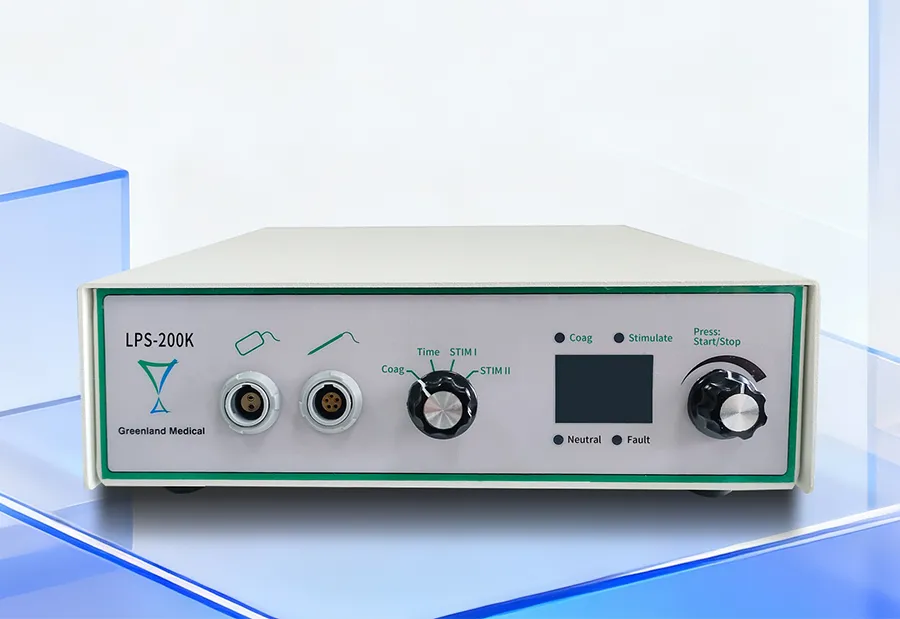
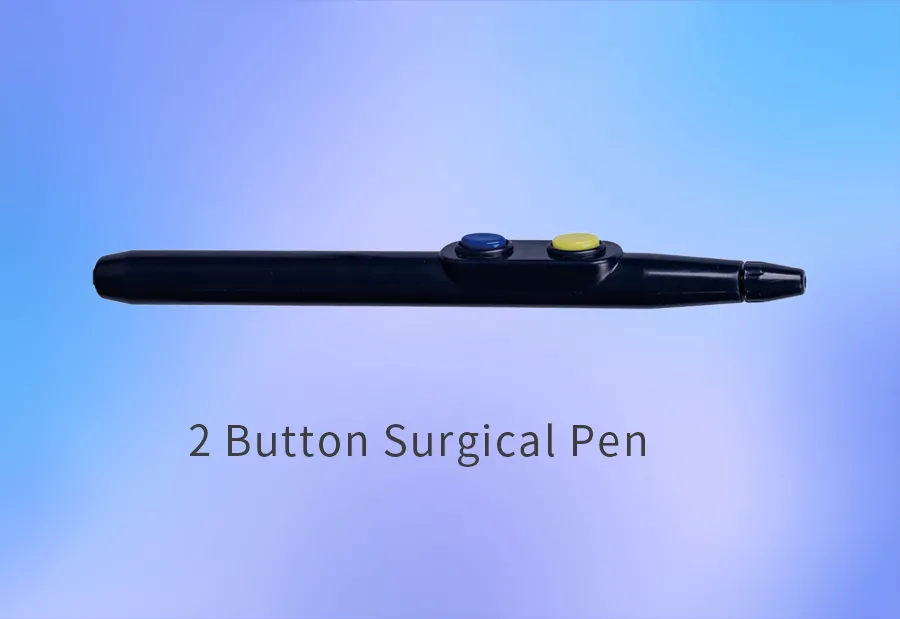
Bipolar electrosurgical accessories are specialized medical instruments used with electrosurgical generators to coagulate tissue and control bleeding during surgery.
Common bipolar accessories include:
- Bipolar forceps
- Bipolar coagulation forceps
- Bipolar scissors
- Bipolar electrodes
- Disposable and reusable bipolar instruments
These instruments use two conductive tips to transfer electrical energy directly between the contact points, allowing surgeons to perform localized coagulation.
How Bipolar Forceps Work in Surgery
During operation, the surgeon places the bipolar forceps around targeted tissue. Electrical current passes between the two tips, generating controlled heat that seals small blood vessels or coagulates tissue.
This working principle provides:
- Precise energy delivery
- Limited thermal spread
- Better surgical visibility
- Improved tissue handling
For neurosurgery, where millimeter-level precision is required, bipolar instruments are especially valuable.
How Are Bipolar Forceps Used in Neurosurgery?
Bleeding Control During Brain Surgery
One of the primary applications of bipolar forceps neurosurgery is controlling bleeding during delicate procedures.
Neurosurgeons use bipolar coagulation instruments to manage:
- Small blood vessels
- Capillary bleeding
- Surgical field bleeding
Effective hemostasis helps maintain a clear operating field and supports safer surgical procedures.
Compared with traditional methods, bipolar coagulation allows surgeons to target bleeding points more accurately while minimizing unnecessary tissue impact.
Delicate Tissue Coagulation
Brain and spinal tissues require careful energy control because excessive heat can damage surrounding structures.
Bipolar electrosurgical accessories provide:
- Controlled coagulation
- Precise tissue contact
- Reduced thermal spread
- Improved surgical accuracy
This makes them suitable for procedures involving sensitive anatomical areas.
Microsurgery Applications
Microsurgical procedures often require instruments with excellent precision and ergonomic control.
Neurosurgical bipolar instruments are commonly used in:
- Brain tumor surgery
- Spinal surgery
- Vascular neurosurgery
- Skull base procedures
- Microsurgical dissection
Their fine tips and controlled energy delivery support complex surgical techniques.
What Types of Bipolar Instruments Are Used in Neurosurgery?
Standard Bipolar Forceps
Standard bipolar forceps are commonly used for general coagulation applications.
Features include:
- Precise tip alignment
- Reliable coagulation performance
- Comfortable handling
- Reusable options
They are widely adopted in neurosurgical operating rooms.
Fine Tip Bipolar Forceps
Fine tip bipolar forceps are designed for microsurgical applications requiring maximum precision.
Advantages include:
- Improved visibility
- Accurate tissue manipulation
- Access to narrow surgical areas
- Reduced tissue interference
They are commonly used in delicate procedures involving small vessels and sensitive tissues.
Advanced Bipolar Coagulation Instruments
Modern bipolar instruments may include design improvements such as:
- Ergonomic handles
- Improved insulation
- Better heat management
- Enhanced durability
These features help surgeons achieve consistent performance during long procedures.
What Features Should Buyers Consider When Selecting Neurosurgical Bipolar Instruments?
Tip Design and Precision
The design of bipolar forceps tips directly affects surgical performance.
Important factors include:
- Tip size
- Tip shape
- Alignment accuracy
- Surface quality
Fine and accurately manufactured tips allow surgeons to perform precise coagulation in limited spaces.
Insulation and Safety Performance
High-quality insulation helps prevent unintended electrical contact.
Buyers should evaluate:
- Insulation durability
- Electrical safety
- Heat resistance
- Manufacturing consistency
Reliable insulation reduces risks during surgical procedures.
Material Quality and Durability
Medical-grade materials influence instrument lifespan and performance.
Common material considerations include:
- Stainless steel quality
- Corrosion resistance
- Sterilization compatibility
- Mechanical strength
Reusable instruments must maintain performance after repeated cleaning and sterilization cycles.
Bipolar Electrosurgical Accessories vs Monopolar Instruments
Key Differences in Surgical Applications
| Feature | Bipolar Instruments | Monopolar Instruments |
|---|---|---|
| Current Path | Between two electrodes | Through patient body to return electrode |
| Precision | Higher localized control | Wider energy distribution |
| Thermal Spread | Generally lower | Higher potential spread |
| Neurosurgery Use | Common for delicate coagulation | Used for broader applications |
For delicate neurosurgical procedures, bipolar technology is often preferred because of its controlled energy delivery.
How Do Bipolar Instruments Improve Neurosurgical Procedures?
Better Surgical Visibility
Effective bleeding control helps maintain a clear surgical field.
Benefits include:
- Improved visualization
- More accurate tissue identification
- Efficient surgical workflow
Enhanced Surgical Precision
The localized coagulation effect allows surgeons to manage tissues more accurately.
This is particularly important for:
- Microsurgical operations
- Complex anatomical structures
- Sensitive neural tissues
Improved Operating Efficiency
Reliable bipolar instruments can reduce interruptions caused by bleeding management and instrument changes.
This contributes to smoother surgical procedures.
How to Choose a Reliable Bipolar Electrosurgical Accessories Supplier?
Evaluate Manufacturing Quality
Medical buyers should consider:
- Quality management systems
- Product testing procedures
- Manufacturing experience
- Regulatory compliance
Consistent quality is essential for surgical instruments.
Check Product Compatibility
Before purchasing, confirm:
- Electrosurgical generator compatibility
- Instrument specifications
- Reusable or disposable requirements
- Surgical application needs
Proper compatibility ensures safe and effective operation.
Consider Supplier Technical Support
A professional supplier should provide:
- Product documentation
- Application guidance
- Customized solutions
- After-sales support
Reliable service helps medical institutions maintain stable surgical operations.
Why Choose Greenland Neurosurgical Bipolar Instruments?
Professional Electrosurgical Solutions for Medical Applications
Greenland specializes in developing and supplying high-quality bipolar electrosurgical accessories for hospitals, surgical centers, and medical distributors.
Advantages include:
- Precision-designed bipolar instruments
- Reliable coagulation performance
- Suitable for microsurgery applications
- Strict quality control
- Professional medical product support
Greenland’s neurosurgical bipolar instruments help healthcare professionals achieve accurate tissue coagulation and effective bleeding control during advanced surgical procedures.
For product information and cooperation:
Greenland
Email: business@greenlandmed.com
FAQs About Bipolar Electrosurgical Accessories
What are bipolar forceps used for in neurosurgery?
Bipolar forceps are mainly used for bleeding control, tissue coagulation, and microsurgical procedures requiring precise energy delivery.
Why are bipolar instruments preferred in neurosurgery?
They provide localized electrical energy between two tips, allowing controlled coagulation with reduced impact on surrounding tissues.
What should hospitals consider when buying neurosurgical bipolar instruments?
Hospitals should evaluate precision, insulation safety, material quality, compatibility, sterilization requirements, and supplier reliability.
Are bipolar electrosurgical accessories reusable?
Some bipolar instruments are designed for repeated sterilization and reuse, while others are manufactured as disposable products depending on clinical requirements.