
A Guide to Different Types of Electrosurgical Units
July 15, 2026
Introduction
Electrosurgical units (ESUs) have become essential tools for both major and minor surgical procedures that require precision, efficiency, and reliable tissue control. Understanding the differences between the various types of electrosurgical units can help healthcare professionals choose the most suitable equipment for their specific clinical applications.
In this article, we will explore the main types of electrosurgical units and discuss the procedures and applications for which each system is best suited.
A Guide to Different Types of Electrosurgical Units
Monopolar and Bipolar Electrosurgical Generators
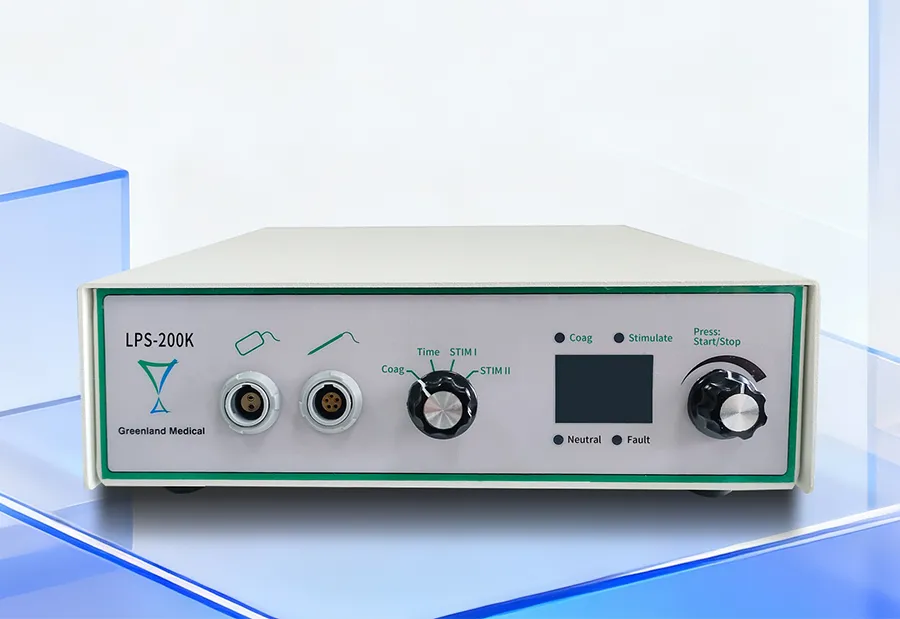
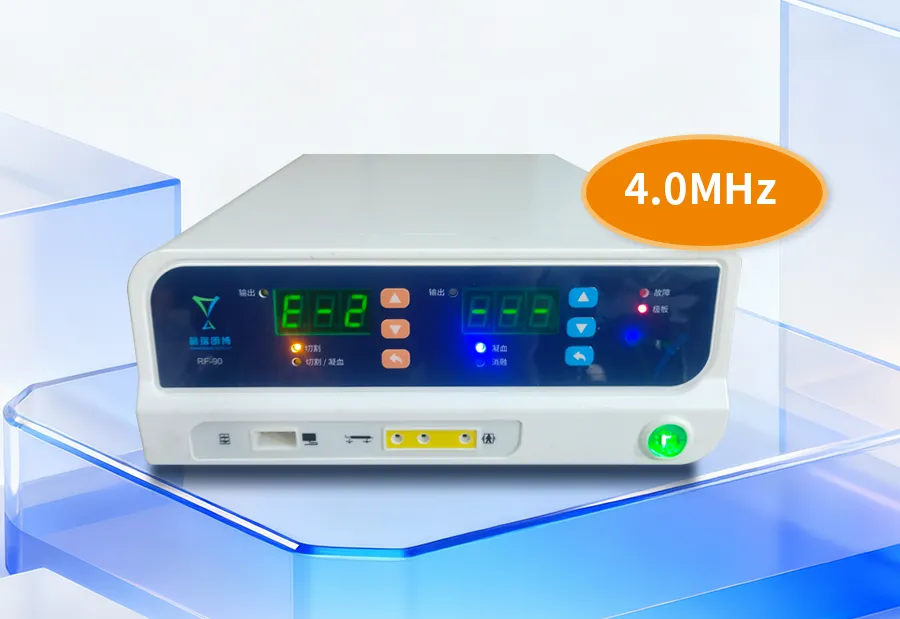
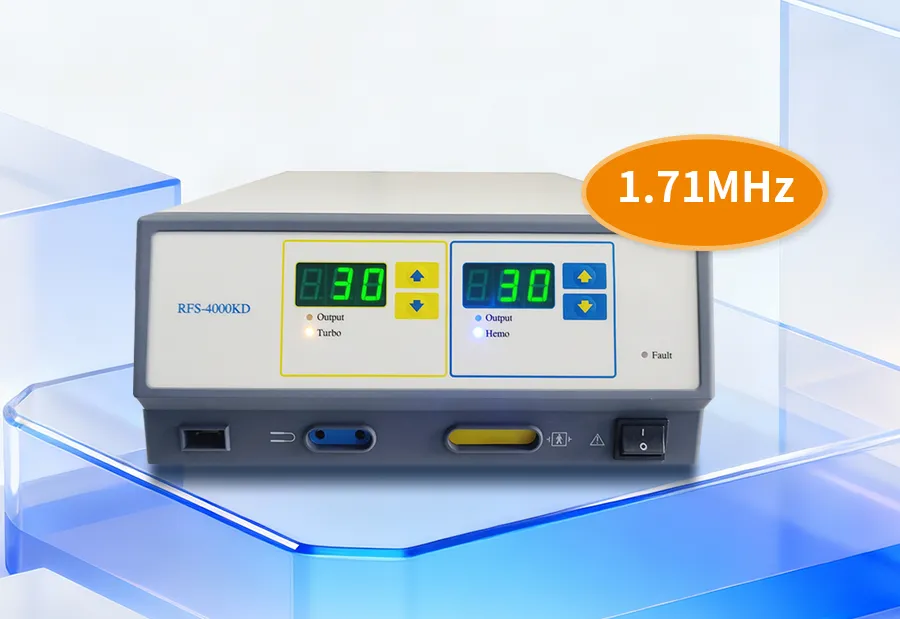
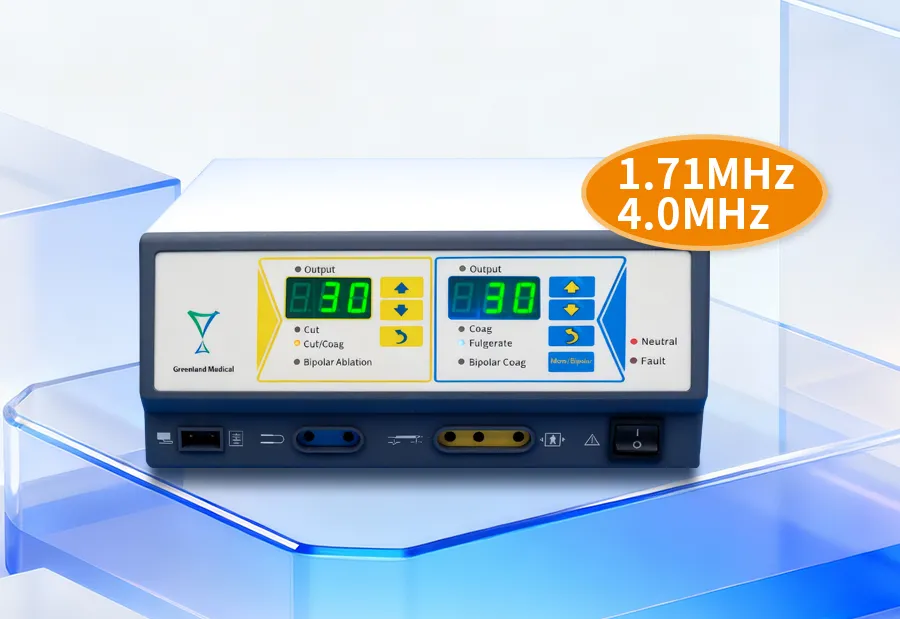
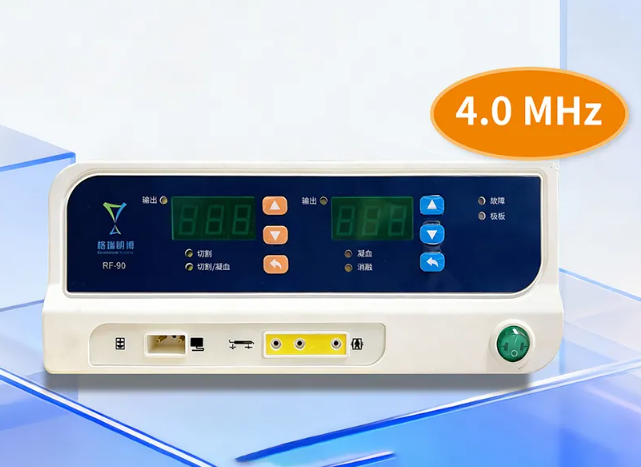
Electrosurgical generators typically provide two types of energy delivery modes: monopolar and bipolar. Monopolar electrosurgery is highly effective for cutting tissue and coagulating larger surgical areas, while bipolar electrosurgery offers greater precision and control for delicate procedures. Many modern electrosurgical units combine both monopolar and bipolar functions into a single system, allowing surgeons to select the most appropriate mode based on the procedure requirements.
Best Applications:
Monopolar electrosurgical units are commonly used in general surgery, including open and laparoscopic procedures, where efficient cutting and coagulation over larger tissue areas are required. Bipolar electrosurgery is better suited for procedures involving delicate or highly sensitive tissues, such as ophthalmic, neurosurgical, and gynecological procedures.
Advantages:
Electrosurgical generators provide reliable and concentrated energy for both tissue cutting and coagulation. Their versatility makes them suitable for a wide range of surgical specialties and clinical environments.
Considerations:
Although bipolar electrosurgery offers improved precision and reduced thermal spread, it generally delivers lower power compared to monopolar systems. As a result, bipolar units may be less effective for cutting or coagulating larger tissue areas.
Smoke Evacuators
Smoke evacuators are essential devices used to remove surgical smoke generated during procedures such as electrosurgery and laser surgery. They function by suctioning the smoke plume at the source, filtering it through high-efficiency filtration systems such as HEPA filters, and then safely releasing clean air back into the environment.
Best Applications:
Smoke evacuators are commonly used in electrosurgical procedures, laser treatments, aesthetic surgeries, and dental procedures where surgical smoke is produced.
Advantages:
These systems improve operating room air quality, reduce healthcare staff exposure to harmful airborne particles, enhance visibility of the surgical field, eliminate unpleasant odors, and help facilities comply with occupational safety standards.
Considerations:
When selecting a smoke evacuator, it is important to consider filtration efficiency, noise levels during operation, and compatibility with existing surgical equipment to ensure optimal performance and workflow integration.
High-Frequency Desiccators
High-frequency desiccators are designed for precise tissue desiccation and coagulation in minor surgical procedures. These devices deliver a high-frequency electrical current through a fine-tipped electrode, allowing controlled treatment of targeted tissues with minimal impact on surrounding areas.
Best Applications:
High-frequency desiccators are commonly used in minor surgical procedures and dermatology, where precision and localized tissue treatment are required.
Advantages:
These devices provide excellent pinpoint accuracy, minimal thermal spread to surrounding tissues, and effective reduction of bleeding during treatment. This makes them particularly suitable for delicate or surface-level procedures.
Considerations:
High-frequency desiccators are not suitable for tissue cutting or for treating large surgical areas, as their functionality is limited to localized desiccation and coagulation.
Closing
When selecting an electrosurgical unit, it is important to consider the types of procedures most frequently performed in your clinical setting. Monopolar systems are well suited for general cutting and coagulation tasks, while bipolar systems are preferred for procedures that require greater precision and enhanced safety in delicate tissue handling. Smoke evacuators should be used whenever surgical smoke is generated, as they play a critical role in maintaining air quality and protecting both patients and staff. High-frequency desiccators, meanwhile, are ideal for precise coagulation in minor surgical procedures.
Each type of electrosurgical equipment offers distinct advantages and is designed for specific clinical applications. By understanding these differences, healthcare professionals can make more informed equipment choices, ultimately improving both procedural efficiency and patient safety.
RELATED PRODUCTS