
Electrosurgical Units: Mechanism and Safe Use
April 09, 2026
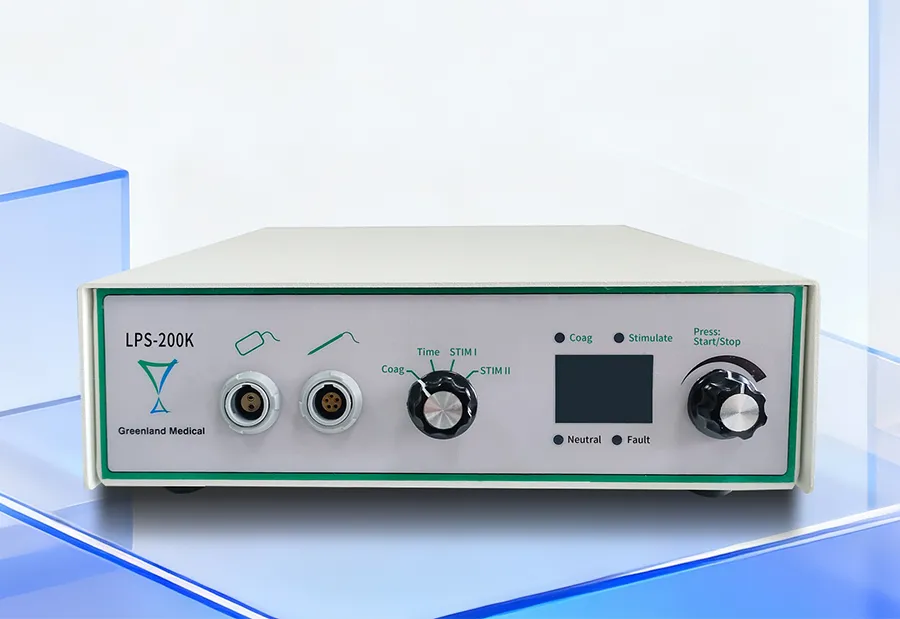
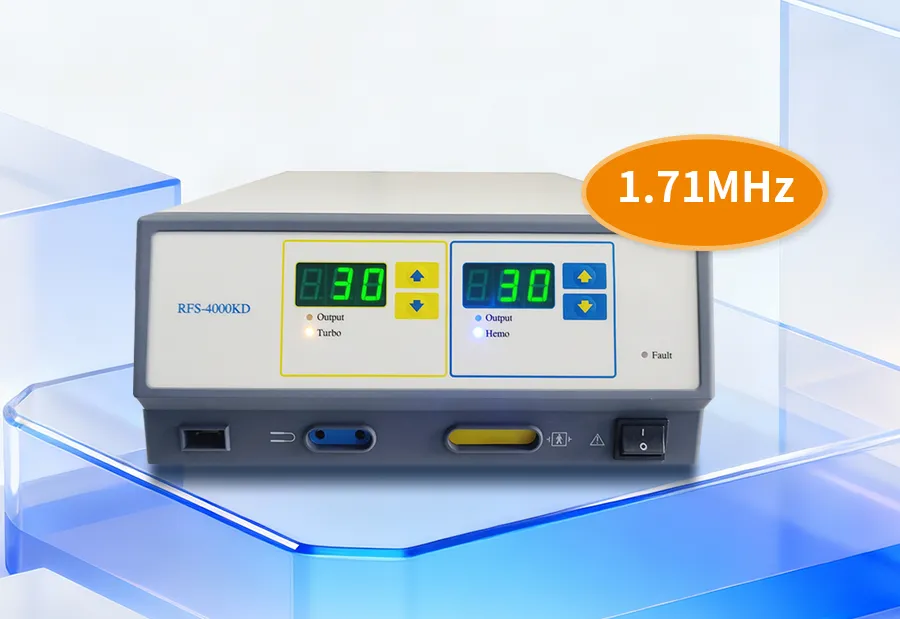
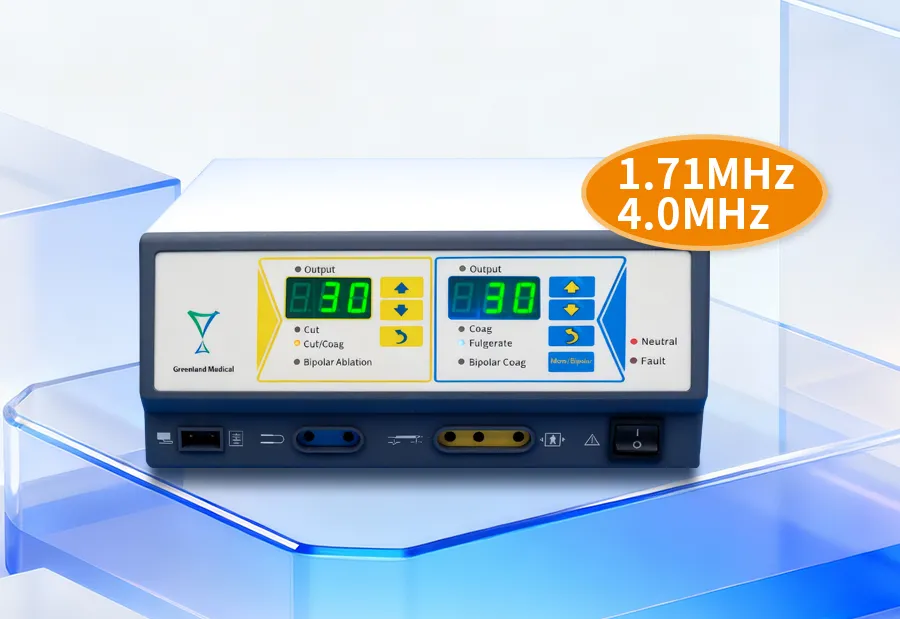
Electrosurgery is widely applied in ophthalmic and other surgical procedures for cutting, coagulating, dissecting, fulgurating, ablating, and shrinking tissue. It operates by delivering high-frequency alternating electrical currents (ranging from 100 kHz to 5 MHz) at voltages between 200 and 10,000 volts, which generate heat within the targeted tissue. An electrosurgical unit (ESU) typically consists of a generator and a handpiece equipped with one or more electrodes. The device is activated using a handpiece switch or a foot pedal.
Modern electrosurgical generators can produce multiple electrical waveforms, each designed to create specific tissue effects. Adjusting the waveform allows precise control over cutting, coagulation, and other tissue interactions.
· Bipolar Electrosurgery: In bipolar procedures, both the active and return electrodes are integrated into the surgical instrument, typically as the two tips of forceps. Only the tissue held between the tips is affected, completing the electrical circuit locally. Because no separate patient return electrode is required, bipolar electrosurgery can safely operate in fluid environments, making it ideal for coagulation in “wet field” conditions.
· Monopolar Electrosurgery: In monopolar procedures, the active electrode is applied to the surgical site, while a separate patient return electrode, also called a dispersive pad, is placed elsewhere on the patient’s body. The electrical current flows through the patient from the active electrode to the return electrode. The dispersive pad safely dissipates heat; inadequate pad size or conductivity can lead to return electrode burns if the heat generated is not properly managed.
Modern electrosurgical systems incorporate advanced safety mechanisms to prevent burns caused by poor contact between the patient and the return electrode in monopolar mode. These features continuously monitor electrode-skin contact and automatically adjust or interrupt the current to ensure patient safety.
The term "electrocautery" is often mistakenly used interchangeably with electrosurgery. In reality, electrocautery and electrosurgery are fundamentally different: electrocautery uses direct current (DC) to heat a metal tip, which burns tissue through direct heat transfer without the current entering the patient’s body. Electrosurgery, on the other hand, uses alternating current (AC) that passes through the patient as part of the circuit, allowing precise cutting, coagulation, or ablation. Electrocautery—or more accurately, thermocautery units—are typically portable, battery-powered devices. They can be either disposable or reusable and are primarily used for localized tissue cauterization without involving the patient in an electrical circuit.

Safe Use of Electrosurgical Units (ESUs)
Electrosurgical units generate high-frequency currents that, if improperly used or maintained, can pose risks to both patients and operators. Common complications include burns at the return electrode site and surgical fires. Many of these risks can be effectively minimized by following proper precautions.
Key Safety Practices
1. Proper Handling of the Handpiece
Always place the handpiece in a non-conductive holster when not in use. This prevents accidental activation and reduces the risk of unintentional burns or electrical arcing.
2. Use the Lowest Effective Generator Setting
Operate the generator at the lowest power level necessary to achieve the desired surgical effect. Using higher-than-needed voltages increases the likelihood of arcing. If a surgeon repeatedly requests higher settings, it may indicate compromised contact between the skin and the dispersive pad, requiring immediate inspection.
3. Maintain Clean Electrode Tips
Regularly clean the electrode tip to remove eschar (burned tissue). Accumulated eschar increases electrical impedance, which can cause sparking, arcing, or even ignition. When cleaning, use a sponge rather than a scratch pad; scratch pads can create grooves on the electrode surface, promoting faster eschar buildup.
Safe Use of Electrosurgical Units (ESUs) – What to Avoid
To ensure patient and operator safety, certain practices must be strictly avoided when using electrosurgical units:
1. Avoid Flammable Environments
Do not operate ESUs in oxygen-enriched areas or near flammable agents. Alcohol-based skin preps and degreasers can ignite if exposed to sparks. If alcohol-based solutions must be used, ensure they do not pool near the dispersive pad, and that the area is completely dry and fumes have dissipated before activating the ESU.
2. Do Not Modify Electrodes
Never use rubber catheters or other materials as a sheath on active electrode tips. Such modifications can alter electrical flow, creating burn hazards or interfering with device performance.
3. Handle Cables Properly
Cables must never be wrapped around metal instruments, as electrical current can transfer into the metal, potentially causing burns. Avoid using sharp towel clips or metal instruments to secure cables to drapes; this can damage insulation and create unwanted points of contact with the patient. Overlapping wires around metal clips may form an electrical transformer, posing a fire hazard.
4. Maintain Dry Conditions
Never operate ESUs with wet hands or wet gloves. Damaged or perforated gloves can allow current to pass through, endangering the operator. Ensure all surgical team members have intact gloves. Additionally, never use electrosurgical equipment while standing on a wet surface. Keep the foot pedal dry and protected with a clear, waterproof cover to prevent accidental activation or electrical hazards.
Monopolar Electrosurgery: Key Safety Guidelines
1. Check for Metal Implants
Before the procedure, determine whether the patient has any metal implants, including cardiac pacemakers or orthopedic prostheses. Placing the return electrode over a metal implant can increase the risk of burns or electrical injury.
2. Remove Jewelry
Ask the patient to remove all jewelry to prevent current leakage, which could lead to burns or complications during electrosurgery.
3. Proper Patient Positioning and Insulation
Ensure the patient does not contact grounded metal objects. Use insulating materials as needed to avoid accidental current pathways.
4. Optimal Return Electrode Placement
- · Place the dispersive pad as close to the surgical site as possible.
- · Select a clean, dry, well-vascularized area over a large muscle mass.
- · Avoid bony prominences, adipose tissue, scar tissue, skin over metal implants, hairy surfaces, and pressure points. Shave excessively hairy areas if necessary.
- · Apply conductive gel evenly to ensure uniform contact between the pad and the patient’s skin.
5. ECG Electrode Placement
Position ECG electrodes away from the electrosurgical site and outside the anticipated current pathway to prevent interference or unintended burns.
-
Previous
RELATED PRODUCTS