
Hospital Procurement Guide for RF Surgical Units
July 22, 2026
As hospitals continue to expand minimally invasive surgery and improve operating room efficiency, RF Surgical Units have become indispensable equipment across multiple surgical departments. Selecting the right system is no longer based solely on output power or purchase price. Procurement teams must evaluate clinical performance, patient safety, regulatory compliance, long-term operating costs, and supplier support to maximize return on investment.
Whether purchasing for a new hospital, upgrading existing operating rooms, or expanding specialty departments, a structured procurement strategy helps reduce risk while improving surgical outcomes.
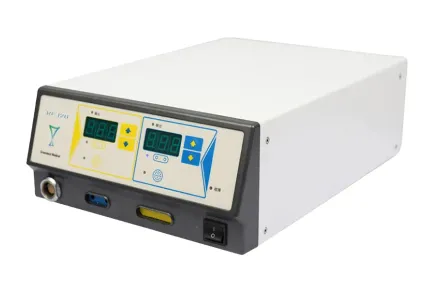
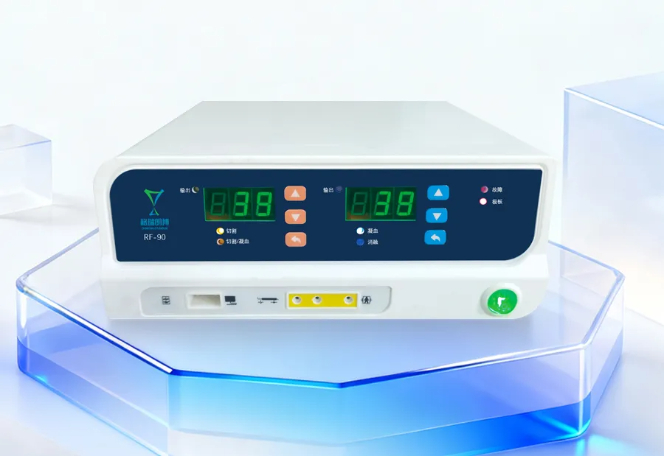
Greenland specializes in advanced RF Surgical Units designed for hospitals, surgical centers, distributors, and OEM partners worldwide.
Why Hospitals Are Upgrading to RF Surgical Units
RF Surgical Units use high-frequency electrical energy to cut, coagulate, desiccate, and fulgurate tissue with exceptional precision. Compared with conventional surgical techniques, RF technology offers several clinical and operational advantages.
Benefits include:
- Precise tissue cutting
- Effective hemostasis
- Reduced intraoperative blood loss
- Less thermal damage
- Shorter procedure times
- Faster patient recovery
- Multi-specialty compatibility
These advantages have made RF Surgical Units standard equipment in many modern operating rooms.
Clinical Departments That Benefit Most
One RF Surgical Unit can support multiple specialties, increasing equipment utilization and improving capital investment value.
Typical departments include:
- General Surgery
- Gynecology
- Urology
- ENT Surgery
- Orthopedics
- Plastic Surgery
- Dermatology
- Veterinary Surgery
- Ambulatory Surgical Centers
Hospitals often prioritize systems capable of supporting multiple departments rather than purchasing separate devices for each specialty.
Key Procurement Factors for RF Surgical Units
1. Clinical Application Coverage
Before purchasing, hospitals should identify the procedures the equipment will support.
Questions to consider:
- General surgery only?
- Multi-specialty use?
- Open and minimally invasive surgery?
- High-frequency daily operation?
Choosing equipment with broad clinical compatibility improves utilization and long-term value.
2. Output Power and Performance
Different procedures require different power levels.
Procurement teams should evaluate:
- Maximum output power
- Stable energy delivery
- Cutting efficiency
- Coagulation performance
- Blend mode capability
Stable power output contributes to consistent surgical performance.
3. Monopolar and Bipolar Functions
Modern hospitals generally prefer systems supporting both operating modes.
Monopolar Mode
Suitable for:
- General surgery
- Plastic surgery
- Large tissue dissection
Bipolar Mode
Suitable for:
- Microsurgery
- Neurosurgery
- Delicate procedures
- Enhanced patient safety
Dual-mode systems provide greater clinical flexibility.
4. Safety Features
Patient safety remains the highest procurement priority.
Important safety functions include:
- Patient return electrode monitoring
- Automatic self-diagnostics
- Leakage current protection
- Overload protection
- Output power monitoring
- Automatic fault alarms
Advanced safety systems help reduce surgical risks while improving operating room confidence.
5. User Interface
A modern interface improves workflow efficiency.
Hospitals should evaluate:
- Touchscreen operation
- Procedure presets
- Quick parameter adjustment
- Multilingual interface
- Easy navigation
An intuitive interface shortens staff training and reduces operating errors.
6. Accessory Compatibility
Compatibility with existing accessories helps lower procurement costs.
Check support for:
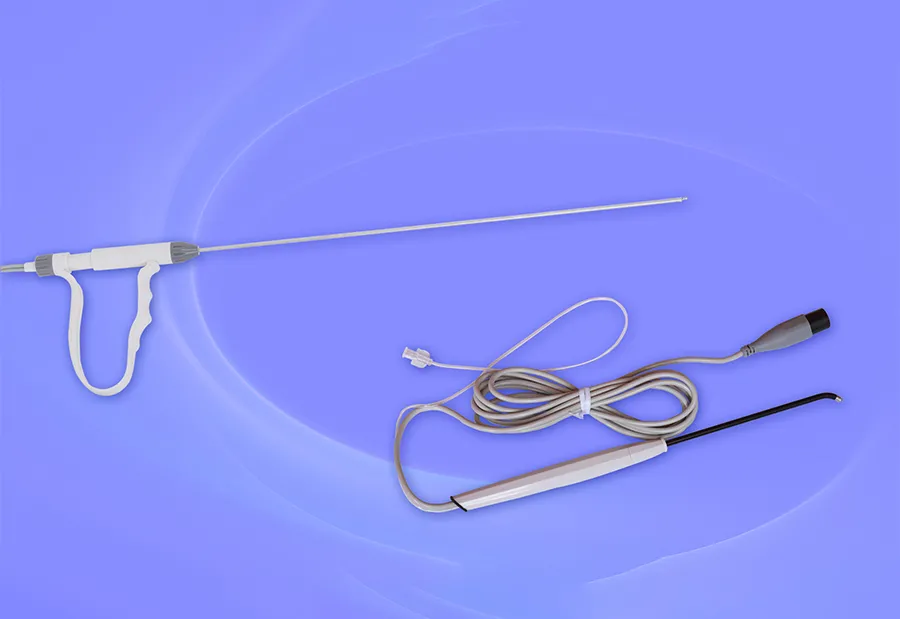
- Handpieces
- Electrodes
- Foot switches
- Bipolar forceps
- Patient plates
Hospitals benefit from equipment that integrates easily into current operating room setups.
Scenario Adaptation Comparison
| Hospital Scenario | Recommended RF Surgical Unit Configuration | Procurement Priority |
|---|---|---|
| General Hospital | Multi-function RF Surgical Unit | Broad clinical coverage |
| Specialty Surgical Center | High-Precision RF System | Advanced cutting performance |
| Teaching Hospital | Intelligent Touchscreen System | Easy operation and training |
| Ambulatory Surgery Center | Compact RF Surgical Unit | Space efficiency and fast turnover |
| Private Hospital | Premium RF Surgical Platform | High reliability and patient experience |
| Multi-Department Medical Center | Monopolar + Bipolar Integrated System | Maximum equipment utilization |
Hospital Procurement Checklist
A structured evaluation process helps ensure long-term value beyond the initial purchase price.
Clinical Performance
✔ Cutting precision
✔ Coagulation efficiency
✔ Blend mode performance
✔ Bipolar capability
✔ Stable output power
Safety
✔ Patient plate monitoring
✔ Automatic fault protection
✔ Leakage current control
✔ Temperature protection
✔ Compliance with applicable regulations
Operational Efficiency
✔ Fast startup
✔ User-friendly interface
✔ Procedure presets
✔ Easy maintenance
✔ Low operating noise
Supplier Evaluation
✔ Manufacturing experience
✔ Product quality consistency
✔ Technical training
✔ Spare parts availability
✔ Global after-sales support
Hospitals increasingly evaluate total cost of ownership, including maintenance, training, service support, and equipment lifespan—not simply the purchase price.
Case Study: Upgrading an Operating Room
A regional hospital replaced aging electrosurgical equipment with modern RF Surgical Units across three operating rooms.
Before Upgrade
- Multiple standalone devices
- Inconsistent power output
- Longer procedure setup
- Higher maintenance frequency
After Upgrade
- One platform supported multiple specialties
- Faster operating room turnover
- Improved surgeon satisfaction
- Reduced maintenance interruptions
- Better utilization of capital equipment
The hospital also reduced staff training complexity by standardizing equipment across departments.
Why Choose Greenland RF Surgical Units?
Greenland develops RF Surgical Units that combine precision, safety, and reliability for modern surgical environments.
Our advantages include:
- Advanced RF energy technology
- Monopolar and bipolar functionality
- Stable high-frequency output
- Intelligent power management
- User-friendly touchscreen interface
- Comprehensive safety protection
- OEM and customized solutions
- International regulatory support
- Professional technical training
- Global after-sales service
Greenland helps hospitals improve surgical efficiency while maximizing equipment utilization and long-term investment value.
User Word-of-Mouth Evaluation
Healthcare professionals consistently value systems that improve workflow and reliability.
"The power output remains stable across different procedures, allowing our surgeons to work with greater confidence."
"The intuitive touchscreen shortened staff training and improved operating room efficiency."
"Equipment reliability has significantly reduced unexpected downtime compared with our previous system."
These experiences demonstrate how selecting the right RF Surgical Unit can improve both clinical performance and hospital operations.
Future Trends in RF Surgical Units
Hospital procurement is increasingly focused on technologies that support long-term clinical development.
Emerging trends include:
- Intelligent power modulation
- Tissue sensing technology
- Enhanced bipolar performance
- Digital operating room integration
- Improved energy efficiency
- Smart equipment connectivity
Hospitals investing in scalable platforms today are better prepared for future surgical innovations.
Conclusion
Purchasing an RF Surgical Unit is a strategic investment that influences surgical quality, operating room efficiency, and long-term operational costs.
Hospitals should evaluate clinical versatility, safety features, energy performance, accessory compatibility, supplier capabilities, and lifetime ownership costs when selecting a system.
With advanced technology, reliable performance, and comprehensive technical support, Greenland provides RF Surgical Units that meet the evolving needs of hospitals and surgical centers worldwide.
Contact Greenland today for professional RF Surgical Unit solutions tailored to your hospital's clinical requirements.
Email: business@greenlandmed.com
RELATED PRODUCTS
-
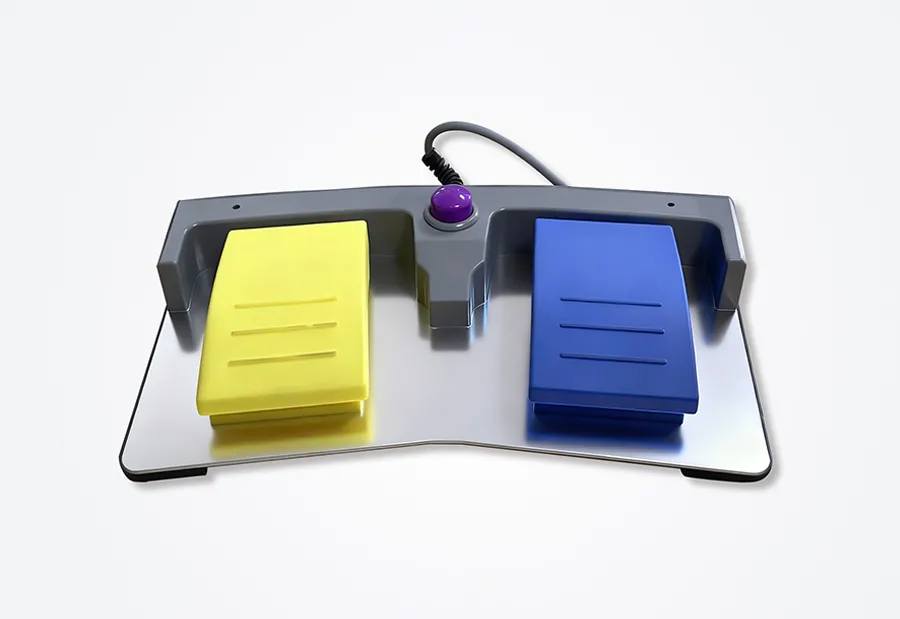
Medical foot switch (3 buttons)
The medical foot switch (3 keys) developed/produced by the company can switch treatment modes through the foot switch without manual adjustment; It is more convenient to perform surgical operations alone.
-

1. Uniform current distribution and high safety during use;
2. Low cost and reusable;
3. Easy to use, no need to stick to the skin.
-
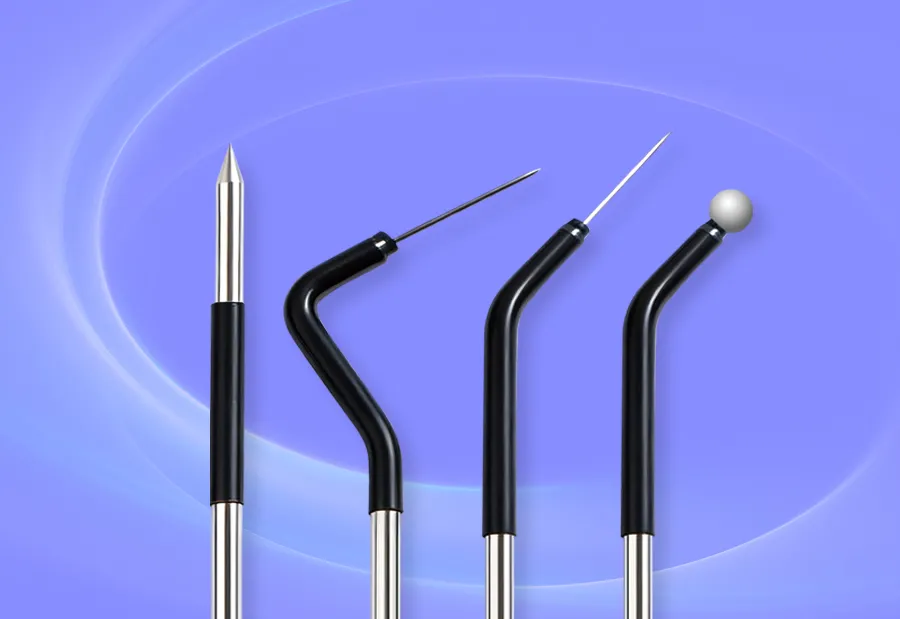
Electrodes are used in connection with high-frequency/radio frequency generators and cutting pens for cutting, ablation, and coagulation of tissues.
-
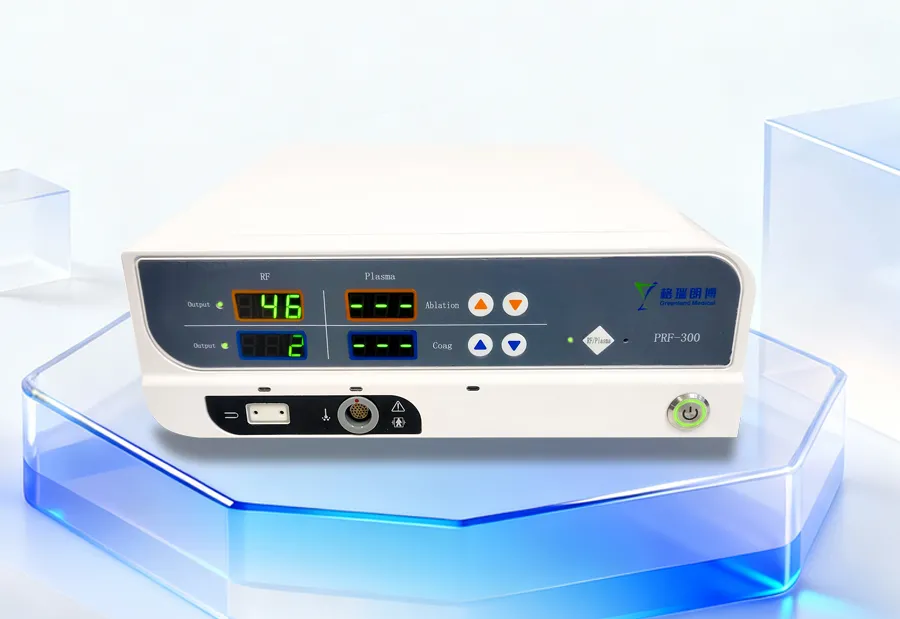
Radio Frequency and Plasma Surgery System PRF-300
The RF and plasma surgical system PRF-300 combines both RF mode and plasma mode, with cutting, ablation, and coagulation functions.