
How to Choose RF Electrosurgical Units?
June 11, 2026
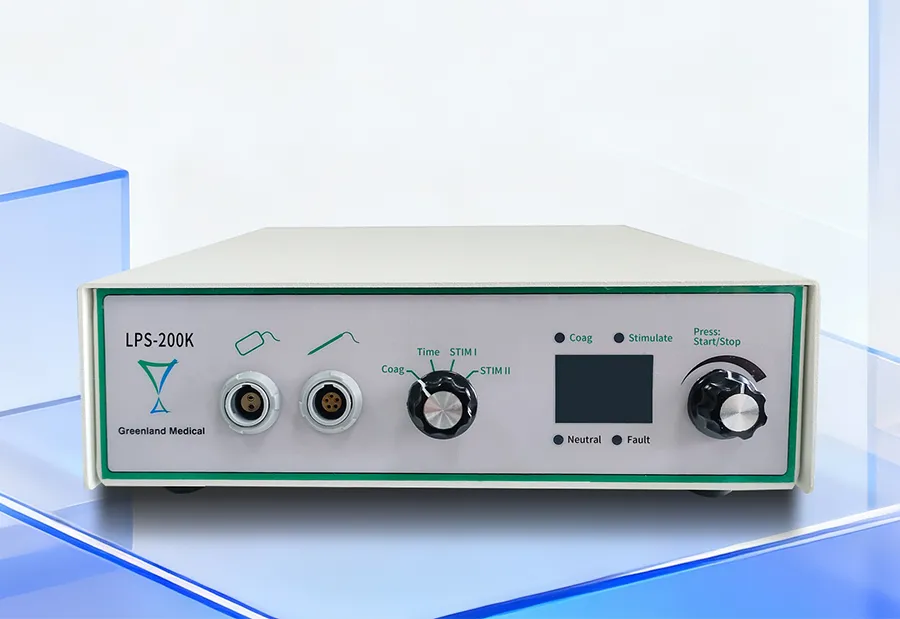
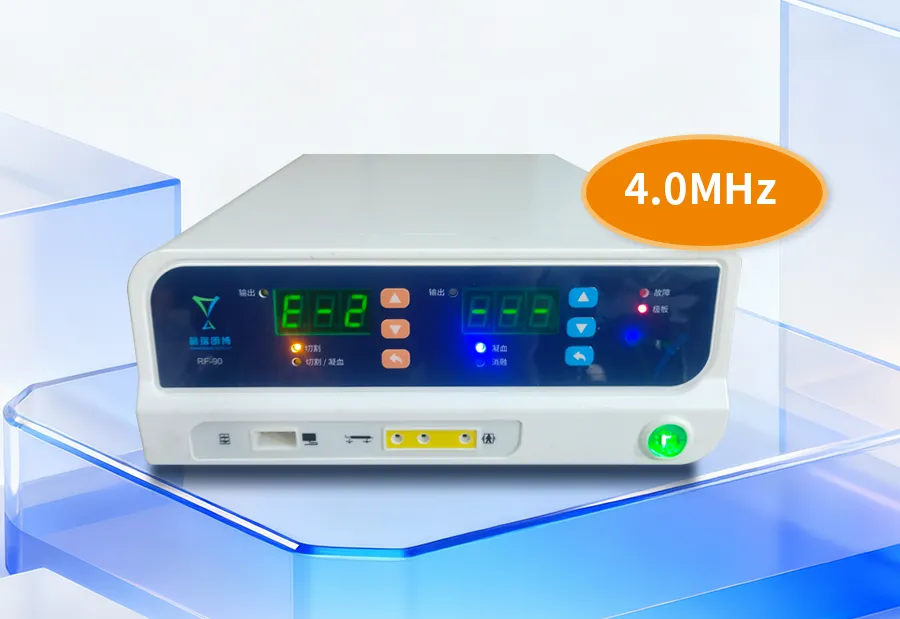
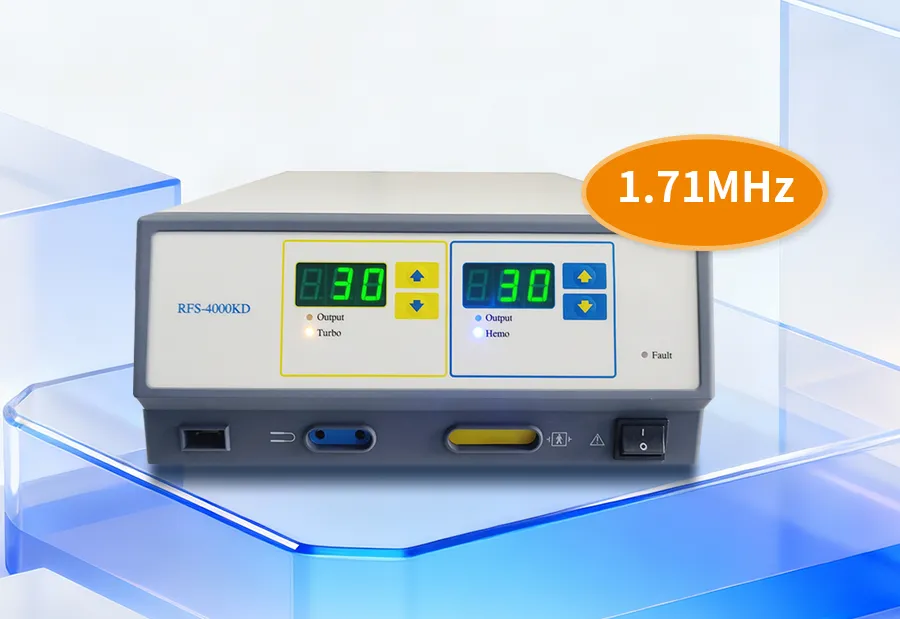
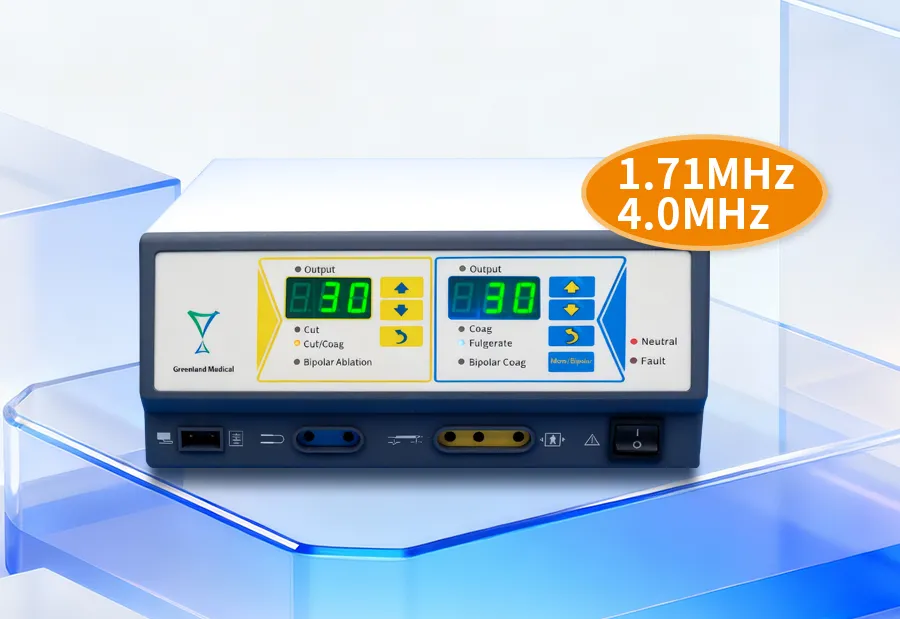
Modern surgical procedures demand precision, efficiency, and patient safety. As hospitals and surgical centers continue to adopt advanced medical technologies, the RF Electrosurgical Unit has become an essential device in operating rooms worldwide. From general surgery and gynecology to urology and dermatology, RF-based surgical systems provide reliable cutting and coagulation performance while minimizing tissue trauma and blood loss.
For healthcare providers, distributors, procurement managers, and OEM partners, understanding how an RF Electrosurgical Unit works and what factors influence purchasing decisions is critical for long-term clinical success.
What Is an RF Electrosurgical Unit?
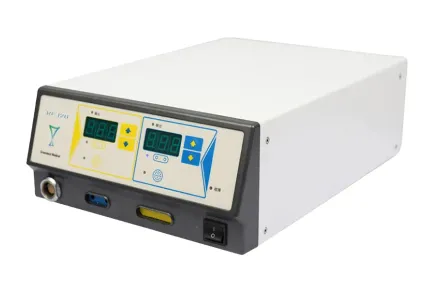
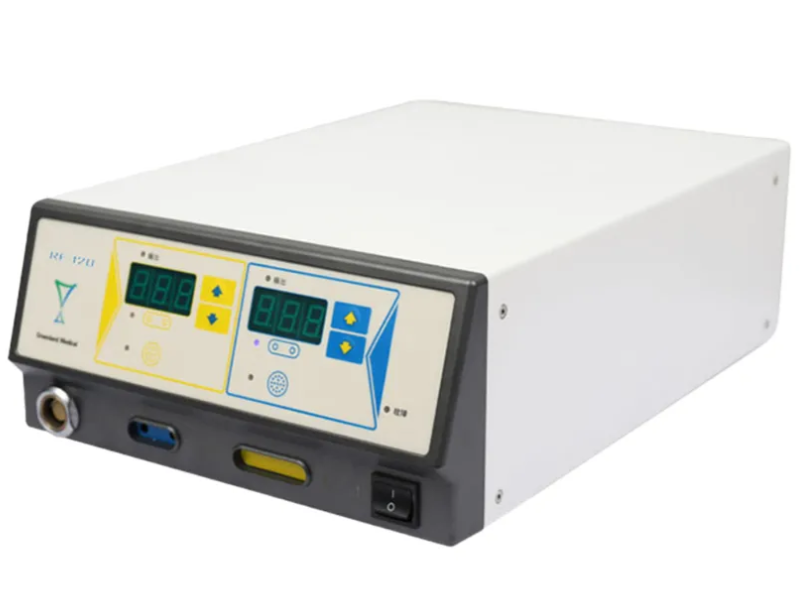
An RF Electrosurgical Unit is a high-frequency surgical equipment system that uses radio frequency electrical energy to cut, coagulate, desiccate, or fulgurate biological tissue during surgical procedures.
Unlike traditional mechanical scalpels, electrosurgical technology enables surgeons to perform precise tissue dissection while simultaneously controlling bleeding. This capability improves visibility within the surgical field and can contribute to shorter operating times.
Today, RF Electrosurgical Units are widely used in:
-
General surgery
-
Gynecology
-
Urology
-
ENT surgery
-
Orthopedic surgery
-
Plastic surgery
-
Dermatology
-
Veterinary surgery
-
Ambulatory surgical centers
How Does an RF Electrosurgical Unit Work?
The system generates high-frequency electrical currents, typically ranging from several hundred kilohertz to several megahertz.
These currents are delivered through specialized electrodes and handpieces to create controlled tissue effects, including:
Pure Cutting Mode
Provides smooth and precise tissue incision with minimal lateral thermal damage.
Suitable for:
-
General surgical procedures
-
Plastic surgery
-
Minimally invasive operations
Coagulation Mode
Produces controlled hemostasis by coagulating blood vessels.
Frequently used in:
-
Gynecological procedures
-
Urological surgery
-
Vascular interventions
Blend Mode
Combines cutting and coagulation functions simultaneously.
This mode helps surgeons achieve efficient tissue separation while maintaining bleeding control.
Bipolar Electrosurgery
Bipolar technology confines electrical current between two electrode tips.
Advantages include:
-
Enhanced safety
-
Reduced current dispersion
-
Improved precision near sensitive structures
Monopolar Electrosurgery
Monopolar systems remain the most commonly used configuration due to their versatility across multiple surgical specialties.
Key Benefits of RF Electrosurgical Units
The increasing adoption of RF Electrosurgical Units is driven by several clinical and operational advantages.
Improved Surgical Precision
High-frequency energy enables controlled tissue interaction and accurate dissection.
Reduced Blood Loss
Simultaneous cutting and coagulation support better intraoperative hemostasis.
Shorter Procedure Times
Efficient energy delivery helps streamline surgical workflows.
Enhanced Patient Recovery
Minimized tissue trauma may contribute to reduced postoperative discomfort and faster recovery.
Versatile Clinical Applications
One RF Electrosurgical Unit can support multiple surgical departments and treatment procedures.
Applications Across Medical Specialties
The versatility of RF technology makes it suitable for numerous clinical environments.
General Surgery
Used for tissue cutting, vessel sealing, and hemostasis in routine and complex procedures.
Gynecology
Commonly applied in hysteroscopy, cervical procedures, laparoscopic surgery, and tissue excision.
Urology
Supports prostate surgery, bladder procedures, and various endoscopic interventions.
Dermatology
Effective for lesion removal, cosmetic treatments, and minor outpatient procedures.
ENT Surgery
Provides precise tissue management in delicate anatomical areas.
Veterinary Medicine
Increasingly adopted in animal hospitals and veterinary surgical centers.
What Should Buyers Consider When Purchasing an RF Electrosurgical Unit?
Selecting the right RF Electrosurgical Unit requires evaluating both clinical performance and long-term operational value.
Output Power
Different procedures require different power ranges.
Hospitals should ensure the system supports their target surgical specialties and anticipated patient volume.
Monopolar and Bipolar Functions
A versatile platform should support both monopolar and bipolar modes to maximize clinical flexibility.
Safety Features
Important functions include:
-
Patient return electrode monitoring
-
Automatic fault detection
-
Power self-calibration
-
Overload protection
-
Leakage current monitoring
User Interface
An intuitive touchscreen or digital control panel can improve workflow efficiency and reduce training requirements.
Compatibility
The RF Electrosurgical Unit should be compatible with standard electrodes, forceps, handpieces, and accessories used in existing operating rooms.
Regulatory Compliance
Medical institutions should verify compliance with relevant quality and safety standards required in their target markets.
Technical Support and After-Sales Service
Reliable service support is critical for minimizing equipment downtime and maintaining clinical continuity.
Why Many Healthcare Providers Choose Greenland RF Electrosurgical Units?
In modern healthcare environments, equipment reliability directly impacts clinical outcomes and operational efficiency.
Greenland RF Electrosurgical Units are designed to support diverse surgical applications through stable high-frequency energy delivery, precise power control, and comprehensive safety mechanisms. Advanced output management helps surgeons achieve effective cutting and coagulation performance while reducing unintended thermal damage.
Healthcare providers also value systems that offer multiple operating modes, ergonomic user interfaces, and compatibility with a wide range of surgical accessories. Through rigorous manufacturing processes, performance verification, and quality control procedures, Greenland solutions help hospitals, clinics, and surgical centers improve workflow efficiency and maintain consistent treatment quality.
As healthcare facilities increasingly seek equipment capable of supporting multidisciplinary surgical programs, dependable RF Electrosurgical Unit technology remains a key investment for long-term clinical development.
Future Trends in RF Electrosurgery
The future of electrosurgical technology is being shaped by:
-
Intelligent power modulation
-
Advanced tissue sensing technology
-
Enhanced bipolar systems
-
Integration with minimally invasive surgery
-
Digital operating room connectivity
-
Improved energy efficiency
These developments are expected to further improve surgical precision and patient safety.
Conclusion
The RF Electrosurgical Unit has become a cornerstone of modern surgical practice. By providing precise cutting, effective coagulation, and versatile clinical applications, it supports improved surgical outcomes across numerous specialties.
When selecting an RF Electrosurgical Unit, buyers should carefully evaluate power performance, safety features, clinical versatility, compatibility, regulatory compliance, and supplier support capabilities. Choosing a trusted manufacturer can help healthcare facilities maximize operational efficiency and long-term return on investment.
Contact Us
Greenland specializes in advanced RF Electrosurgical Unit solutions for hospitals, clinics, distributors, OEM partners, and healthcare institutions worldwide.
For product specifications, technical consultation, pricing information, demonstrations, or customized solutions, contact our team today.
RELATED PRODUCTS