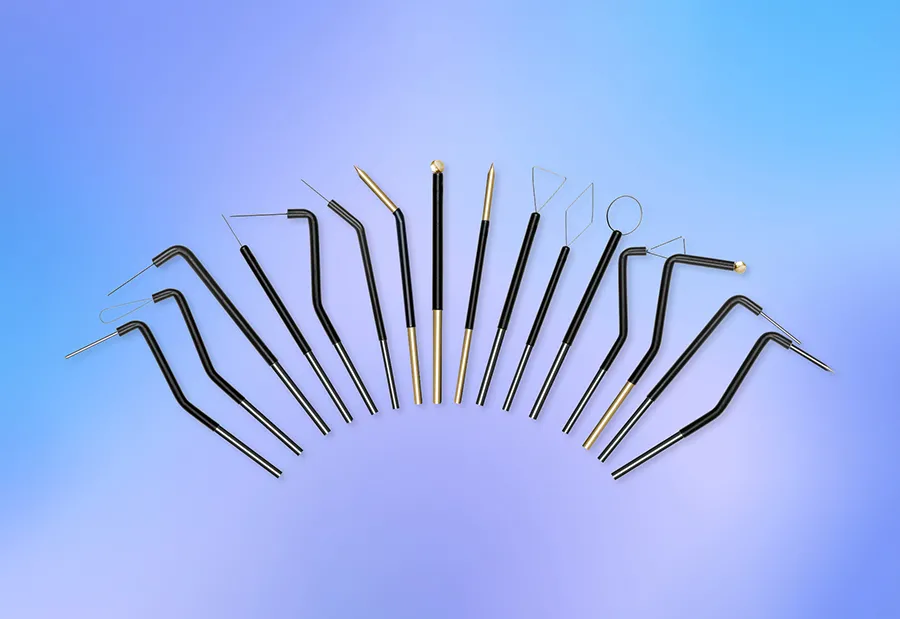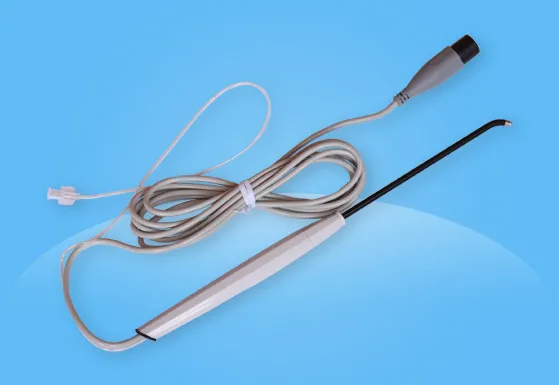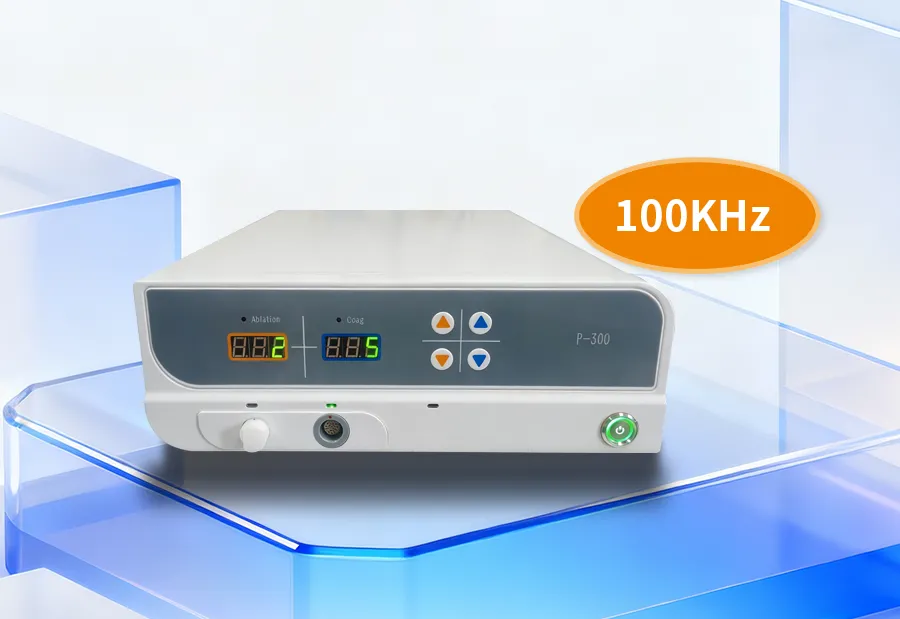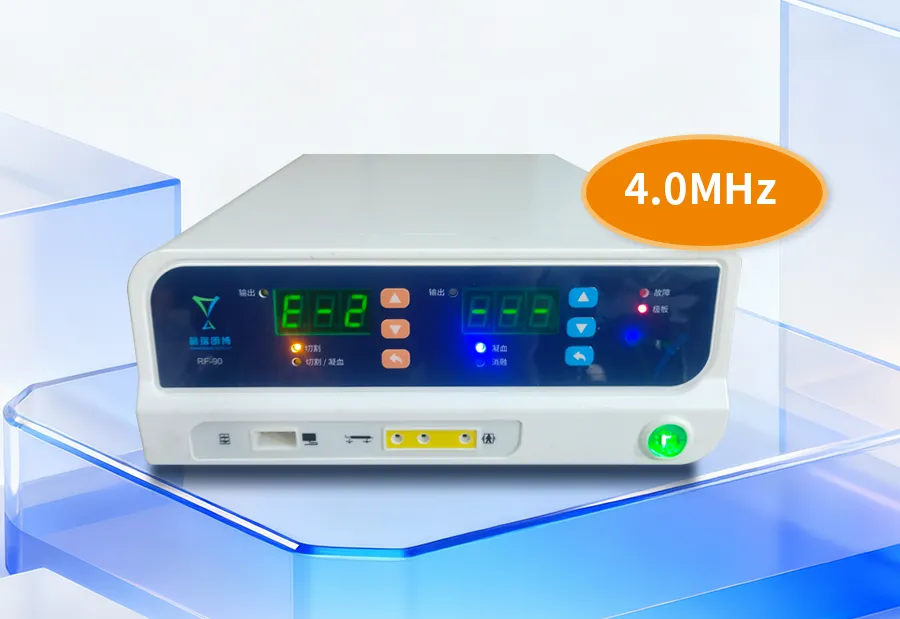

Low-temperature plasma technology and modified Uvulopalatopharyngoplasty (H-UPPP technique)
July 09, 2026
Medical record:
Mr. Wang (pseudonym), 26 years old, has been experiencing sleep snoring accompanied by breath holding and recurrent sore throat for over a year, along with symptoms such as daytime inattention and lethargy. Polysomnography indicated a diagnosis of severe obstructive sleep apnea hypopnea syndrome.
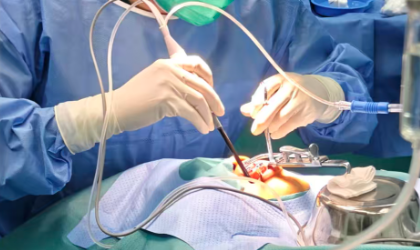
After a detailed examination of Mr. Wang, it was found that he had bilateral tonsillar hypertrophy and hypertrophy of the soft palate accompanied by pharyngeal stenosis. The relevant hospital chose to perform the modified hypoid uvulopalatopharyngoplasty (H-UPPP) using low-temperature plasma. The intraoperative bleeding was minimal, and the patient experienced no significant postoperative pain. He was able to eat cold semi-liquid food immediately after the procedure, and his snoring significantly improved at night.
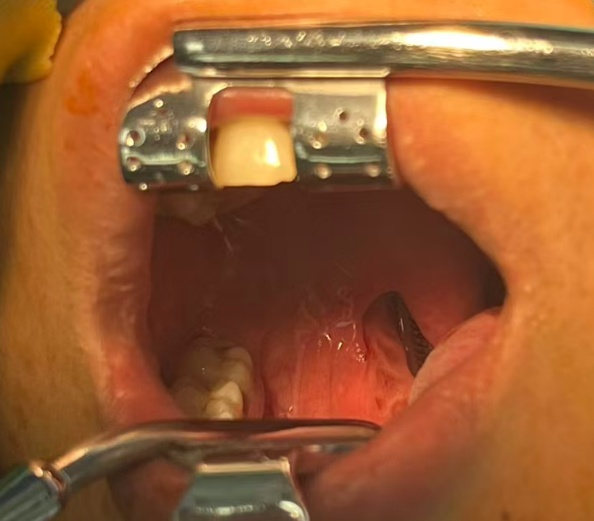
Preoperative: Tonsillar hypertrophy, thickened soft palate, and narrowed pharyngeal cavity.
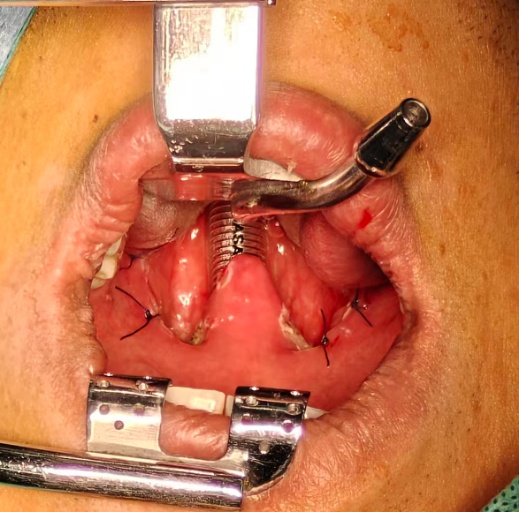
Postoperative: The entire oropharyngeal cavity became more spacious.
Three core advantages of low-temperature plasma technology
1. Painless and minimally painful
The low-temperature characteristic means that the stimulation to nerve endings is greatly reduced. Most patients can tolerate surgery under local anesthesia, and the sensation during the operation is mostly soreness and swelling rather than severe pain. Postoperative pain is also much lighter than that of traditional surgery.
2. Precision and Minimally Invasive
The surgery is performed under the clear vision of a nasal endoscope or laryngoscope. The doctor can perform precise surgery, achieving millimeter-level fine shaping of targets such as the soft palate, tonsils, and tongue base. Only hypertrophic tissues are thinned, without rough cutting, thus maximally protecting the integrity of the pharyngeal mucosa and muscle function, and avoiding complications such as postoperative nasal regurgitation and open nasality.
3. Quick and Efficient
Quick surgery: Surgery targeting a single site (such as the soft palate) is usually completed within 10-20 minutes.
Quick recovery: Due to minimally invasive surgery and low pain levels, patients can drink water and consume liquid food on the day after surgery, with a short hospital stay (usually 1-3 days), enabling them to resume normal life and work more quickly.
Rapid onset: After the swelling subsides post-surgery (approximately 1-2 weeks), snoring and apnea symptoms can be significantly improved.
RELATED PRODUCTS