
RF Surgery Or Laser Surgery?
July 07, 2026
Modern surgical procedures increasingly rely on advanced energy-based technologies to improve precision, reduce bleeding, and shorten recovery times. Two of the most widely used technologies are radiofrequency (RF) surgery and laser surgery. Although both generate heat to cut or coagulate tissue, they work through different mechanisms and offer distinct clinical advantages.
For hospitals, surgical centers, ENT clinics, gynecology departments, dermatology practices, and distributors seeking reliable RF Surgical Units, understanding the differences between RF surgery and laser surgery is essential for selecting the most appropriate equipment. RF systems use high-frequency radio waves to cut and coagulate tissue with controlled thermal spread, while laser systems use concentrated light energy for tissue interaction. The choice depends on the surgical application, tissue type, precision requirements, and budget.
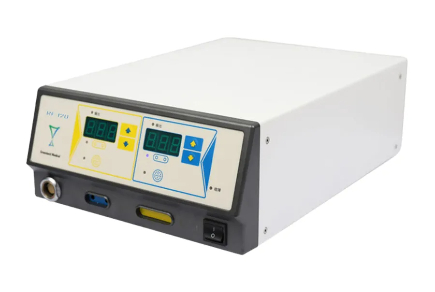
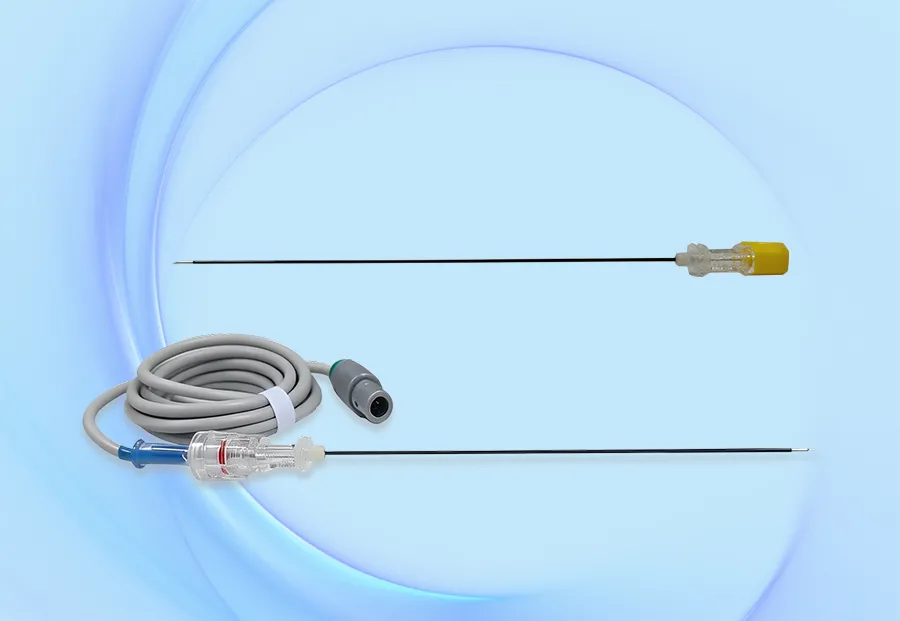
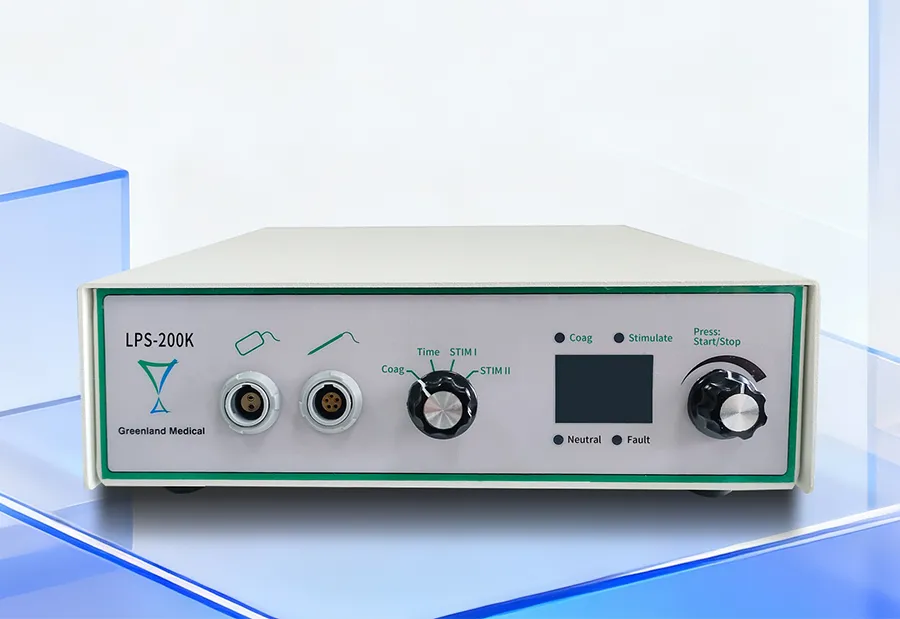
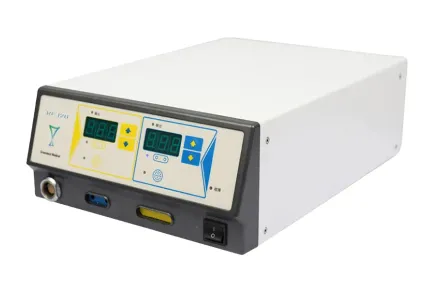
RF Electrosurgical Unit RFS-4000K
What Is RF Surgery?
RF surgery uses high-frequency radiofrequency energy to generate heat within tissue, allowing surgeons to perform cutting, coagulation, ablation, and hemostasis simultaneously. Unlike conventional electrosurgery, modern RF Surgical Units are designed to minimize lateral thermal damage while providing smooth tissue incision and reliable bleeding control.
RF surgical technology is widely used in:
- General surgery
- ENT surgery
- Gynecology
- Plastic surgery
- Dermatology
- Oral surgery
- Neurosurgery
- Urology
Many hospitals prefer RF Surgical Units because they combine cutting precision with effective coagulation, helping improve surgical efficiency.
Why Compare RF Surgery And Laser Surgery?
Both technologies are designed to improve surgical outcomes, but each offers unique strengths.
Laser surgery uses focused light energy and is highly effective for selected procedures requiring precise surface ablation or tissue vaporization.
RF surgery delivers radiofrequency energy through an electrode, producing controlled tissue heating with efficient cutting and coagulation. Compared with many laser systems, RF equipment generally offers broader surgical applications, lower equipment costs, and simpler maintenance while providing precise tissue management. The technologies are complementary rather than universally interchangeable, and the best choice depends on the clinical procedure.
Key Differences Between RF Surgery And Laser Surgery
Working Principle
RF Surgery
- Uses high-frequency radio waves
- Heat is generated by tissue resistance
- Performs cutting and coagulation simultaneously
- Minimal lateral thermal damage
Laser Surgery
- Uses concentrated laser light
- Tissue absorbs optical energy
- Excellent for vaporization and precise surface treatment
- Performance varies according to laser wavelength
Precision
Both technologies offer high surgical precision.
Laser systems excel in procedures requiring highly focused optical energy, while RF Surgical Units provide excellent precision together with effective coagulation and tissue preservation in many soft-tissue procedures.
Hemostasis
One of the major advantages of RF surgery is efficient bleeding control during tissue cutting.
Reliable coagulation helps improve surgical visibility and reduce procedure time.
Thermal Damage
Modern RF systems are engineered to control heat distribution and minimize unnecessary damage to surrounding tissues. RF energy heats tissue differently from lasers because it does not rely on light absorption, which contributes to different thermal characteristics.
Operating Cost
When evaluating total ownership costs, buyers should consider:
- Equipment investment
- Consumables
- Maintenance
- Service life
- Training requirements
For many healthcare facilities, RF Surgical Units provide an attractive balance between clinical performance and long-term operating costs.
Key Features Of RF Surgical Units
A high-quality RF Surgical Unit typically offers:
- Multiple operating modes (Cut, Blend, Coagulation, Bipolar)
- Stable high-frequency output
- Precise power adjustment
- Fast tissue cutting
- Excellent hemostasis
- Reduced smoke generation
- User-friendly interface
- High operational safety
Typical purchasing specifications include:
- Output power options
- Monopolar and bipolar modes
- Adjustable frequency
- Touchscreen or digital control
- Footswitch compatibility
- Patient safety monitoring
- International electrical safety standards
These features help surgeons perform procedures more efficiently while maintaining consistent clinical performance.
How To Choose RF Surgical Units?
Healthcare providers should evaluate several purchasing factors.
Clinical Applications
Select equipment that supports your specialty, whether ENT, gynecology, dermatology, plastic surgery, or general surgery.
Power Output
Different procedures require different output ranges and operating modes.
Safety Features
Choose systems equipped with automatic monitoring, overload protection, and reliable patient return electrode detection.
Ease Of Operation
An intuitive interface helps improve workflow and reduce operator training time.
Manufacturer Experience
A professional manufacturer can provide technical support, quality assurance, product training, and long-term service.
RF Surgical Unit Applications
RF Surgical Units are suitable for numerous medical specialties, including:
- General surgery
- ENT surgery
- Gynecology
- Dermatology
- Plastic surgery
- Oral and maxillofacial surgery
- Urology
- Veterinary surgery
Their versatility makes them valuable equipment for hospitals, specialty clinics, and ambulatory surgical centers.
Why Choose Greenland?
Greenland is committed to providing innovative RF Surgical Units that combine precision, safety, and reliability for modern surgical procedures.
Our advantages include:
- Advanced RF technology
- Stable energy output
- Multiple surgical modes
- Strict quality control
- International manufacturing standards
- OEM and ODM support
- Professional technical assistance
- Global distribution capability
Whether you are upgrading existing surgical equipment or expanding your medical product portfolio, Greenland provides dependable RF surgical solutions designed to meet the needs of healthcare professionals worldwide.
FAQ
Is RF surgery the same as laser surgery?
No. RF surgery uses high-frequency radio waves, while laser surgery uses focused light energy. They operate through different physical principles and are suitable for different clinical applications.
Which technology causes less bleeding?
Both technologies can achieve good hemostasis. RF surgery is particularly valued for combining tissue cutting with effective coagulation in many soft-tissue procedures.
Are RF Surgical Units suitable for multiple specialties?
Yes. They are widely used in general surgery, ENT, gynecology, dermatology, plastic surgery, and several other surgical disciplines.
Can hospitals replace laser systems with RF Surgical Units?
The choice depends on the procedure. Many hospitals use both technologies because each has different clinical strengths.
Contact Us
Looking for a reliable RF Surgical Unit manufacturer?
Greenland provides high-performance RF surgical equipment designed for precision cutting, efficient coagulation, and dependable clinical performance. Contact our team to learn more about our OEM solutions and receive a customized quotation.
Brand: Greenland
Email: business@greenlandmed.com
RELATED PRODUCTS