
Chronic pain affects an estimated 20% of the global adult population — a number that rises with age and represents one of the largest unmet needs in clinical medicine. For patients whose pain has a specific, identifiable nerve pathway — facet joint arthritis causing spinal pain, trigeminal neuralgia causing facial pain, peripheral nerve entrapment causing limb pain — RF (radiofrequency) thermo-coagulation offers a minimally invasive intervention that can provide months to years of relief. The principle is elegant in its simplicity: a precisely positioned electrode delivers controlled radiofrequency energy to create a small, targeted thermal lesion on the pain-transmitting nerve, interrupting the signal without the systemic side effects of long-term medication or the recovery burden of open surgery.
This guide provides a technical overview of RF thermo-coagulation for pain management and neurosurgery in 2026 — how the technology works, key clinical applications, the thermo-coagulation vs RF ablation distinction, procedural considerations, and the manufacturing standards behind the Greenland LPS-200K thermo-coagulation unit, produced by the company that registered China's first RF electrosurgical unit under ISO 13485 quality certification.
1. How RF Thermo-Coagulation Works
1.1 The Physics of Controlled Nerve Lesioning
RF thermo-coagulation delivers high-frequency alternating current (typically 300-500 kHz) through an insulated electrode with an exposed active tip. As current passes from the electrode tip into the surrounding tissue, the resistance of the tissue converts electrical energy into heat — a phenomenon called resistive or ohmic heating. By precisely controlling the power output and monitoring the electrode tip temperature (via an integrated thermocouple or thermistor), the clinician creates a predictable, reproducible thermal lesion of specific dimensions. At 60-65°C, nerve fibers are selectively disrupted — the small-diameter pain fibers (A-delta and C fibers) are affected at lower temperatures than the larger motor and touch fibers, allowing selective pain interruption in some applications. At 70-80°C, more complete nerve destruction occurs, suitable for definitive denervation procedures.
1.2 The Procedure: Step by Step
-
Diagnostic nerve block — local anesthetic is injected at the target nerve. If the patient experiences temporary pain relief (typically 50%+ reduction), the nerve is confirmed as the pain source and RF thermo-coagulation is appropriate.
-
Electrode placement — under fluoroscopic, ultrasound, or CT guidance, the RF cannula/needle is advanced to the target nerve location. Sensory stimulation confirms proximity to the nerve (patient reports tingling or sensation at low stimulation current). Motor stimulation confirms safe distance from motor nerves (no muscle contraction at appropriate current).
-
Thermo-coagulation — RF energy is delivered at the target temperature (typically 60-80°C) for a specified duration (typically 60-90 seconds). The Greenland LPS-200K provides real-time temperature monitoring and power control for precise lesion creation.
-
Post-procedure — the electrode is removed, the entry site is dressed, and the patient is monitored briefly before discharge. Pain relief typically develops over 1-3 weeks as the nerve lesion matures.
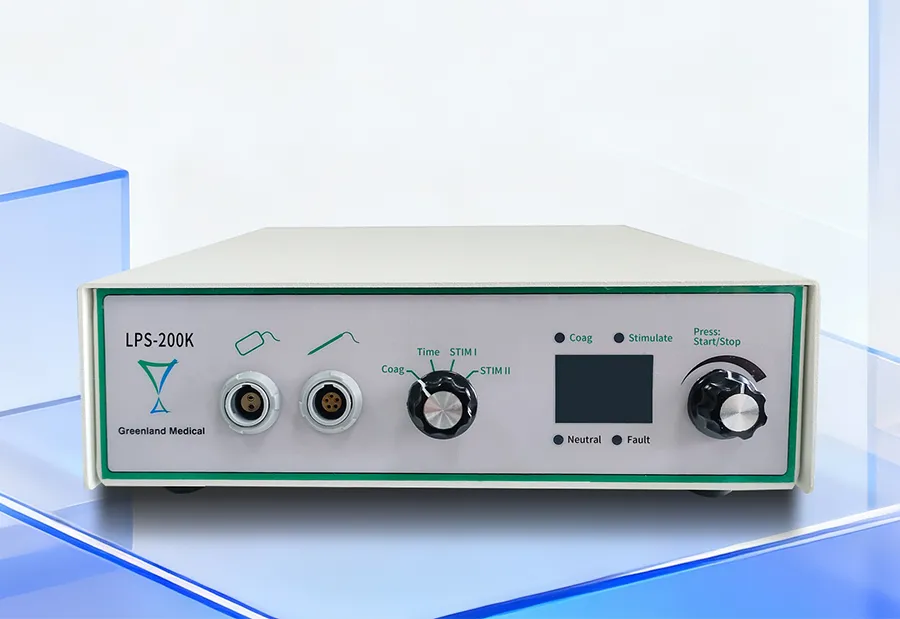
The critical clinical requirement for RF thermo-coagulation is precise electrode positioning. The thermal lesion is typically 4-8mm in diameter — small enough to target a specific nerve branch, but only if the electrode tip is within millimeter-range accuracy of the target. This is why the procedure relies on image guidance (fluoroscopy or CT) and why the Greenland LPS-200K unit provides both sensory and motor stimulation capabilities for intraoperative nerve localization before thermo-coagulation.
2. RF Thermo-Coagulation vs RF Ablation: Understanding the Distinction
| Parameter | RF Thermo-Coagulation | RF Ablation (Broad) |
|---|---|---|
| Lesion Size | Small, precise — 4-8mm controlled sphere | Larger — varies by electrode design and power |
| Temperature Range | 60-80°C — controlled by thermocouple feedback | Variable — may exceed 80°C for tissue removal |
| Primary Mechanism | Selective small-fiber nerve disruption | Thermal tissue destruction and removal |
| Typical Applications | Pain management — facet denervation, trigeminal, dorsal root ganglion | Tumor ablation, cardiac ablation, broad tissue reduction |
| Clinical Goal | Interrupt pain signal — preserve surrounding tissue | Remove or destroy target tissue volume |
| Greenland System | LPS-200K Thermo-coagulation Unit | RFS-4000K/KD RF Electrosurgical Units |
3. Key Clinical Applications
| Application | Target Nerve / Structure | Typical Result |
|---|---|---|
| Facet Joint Denervation (Cervical) | Medial branch of cervical dorsal rami | 6-18 months neck pain relief |
| Facet Joint Denervation (Lumbar) | Medial branch of lumbar dorsal rami | 6-18 months low back pain relief |
| Sacroiliac Joint Denervation | L5 dorsal ramus + S1-S3 lateral branches | 6-12 months SI joint pain relief |
| Trigeminal Neuralgia | Gasserian ganglion (trigeminal) | Significant facial pain reduction |
| Occipital Neuralgia | Greater and lesser occipital nerves | Headache and scalp pain reduction |
| Dorsal Root Ganglion Modulation | DRG at affected spinal level | Radicular / neuropathic pain relief |
| Peripheral Nerve Entrapment | Specific entrapped peripheral nerve | Targeted limb pain relief |
| Cancer Pain (Palliative) | Pain-transmitting nerve pathway | Pain reduction in palliative context |
4. The Greenland LPS-200K Thermo-Coagulation Unit
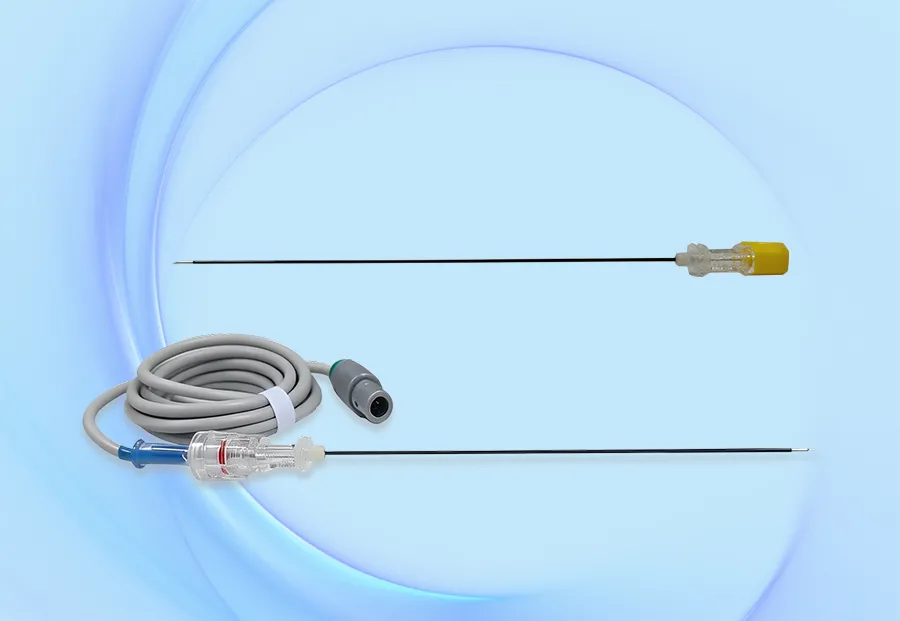
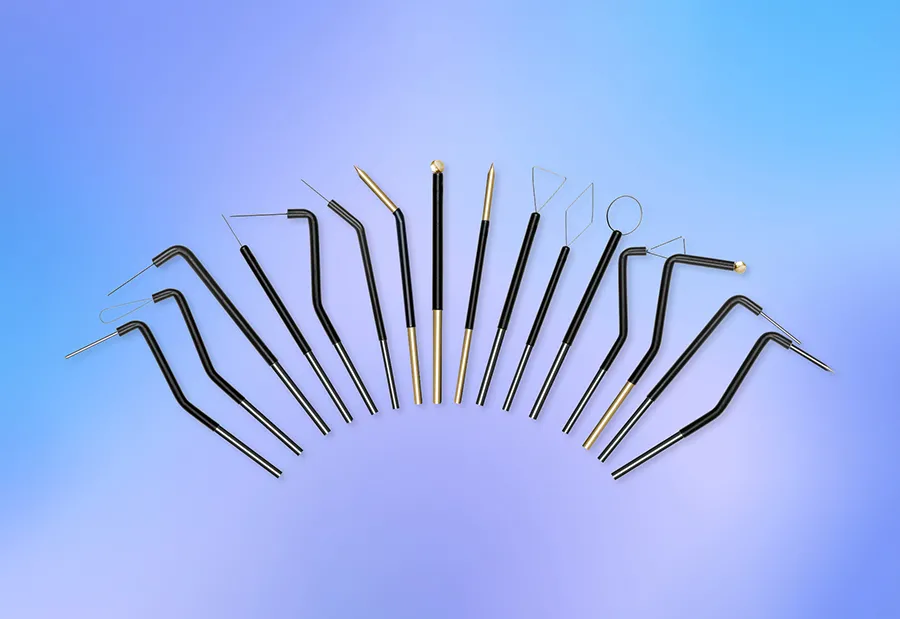
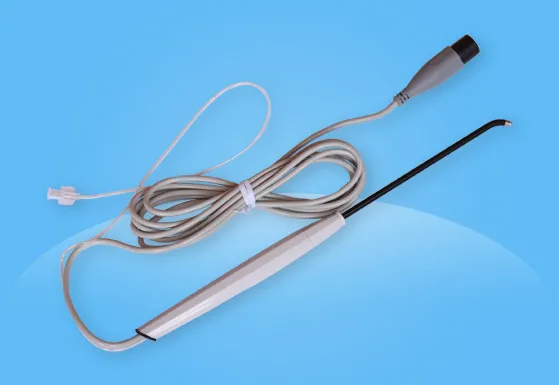
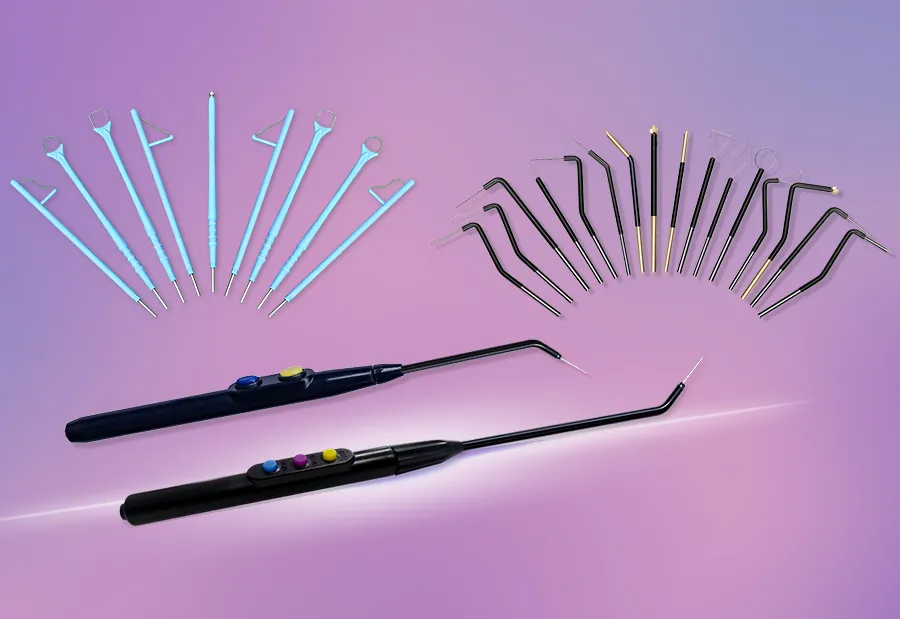
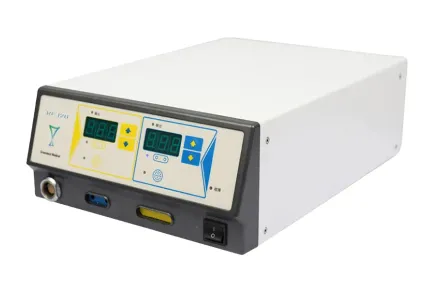
Greenland's LPS-200K Thermo-coagulation Unit is a dedicated RF system designed specifically for pain management and neurosurgical thermo-coagulation procedures. The unit delivers controlled RF energy through specialized thermo-coagulation needles and punch needles, with real-time temperature monitoring at the electrode tip and adjustable power output for precise lesion control. Sensory and motor stimulation modes enable intraoperative nerve localization — reducing the risk of motor nerve damage during pain fiber targeting.
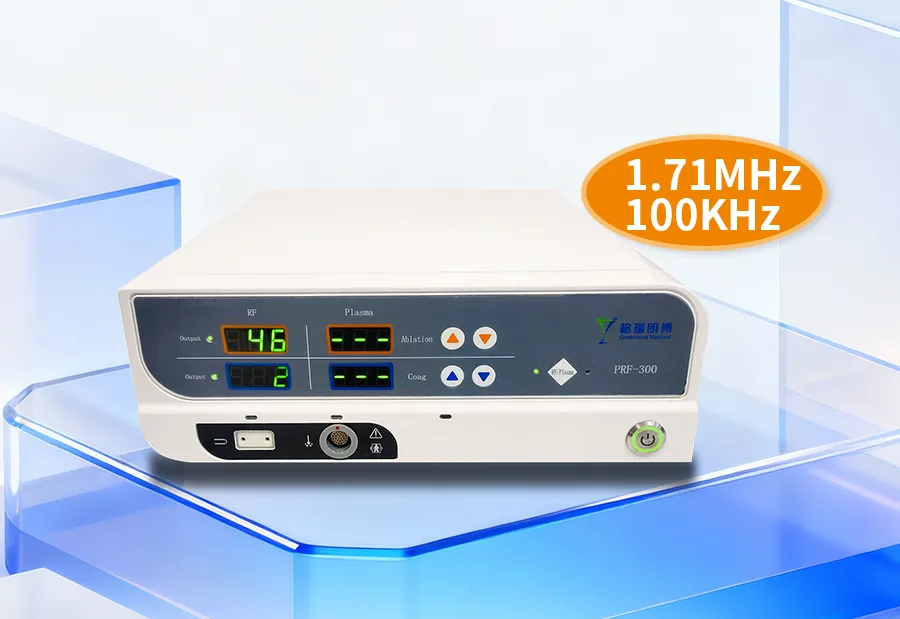
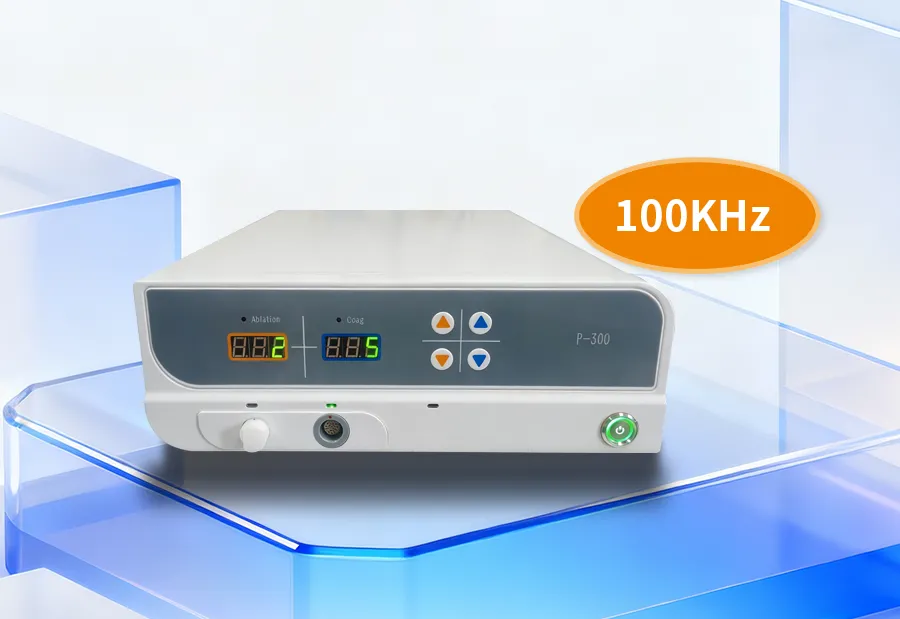
Greenland — with 20+ years of electrosurgical manufacturing since 2003 — was the first company to register an RF electrosurgical unit and RF bipolar ablation electrode in China. The LPS-200K is part of a complete electrosurgical product line that includes the RFS-4000K/KD RF units for broader ablation applications, the P-300 plasma surgery system, and the PRF-300 2-in-1 plasma/RF platform. All products are manufactured in a 100,000-level cleanroom under ISO 13485 quality management, with Class III medical device registration and export to 30+ countries.
The company's 20+ senior R&D personnel, multiple invention and utility model patents, and national high-tech enterprise designation provide the technical foundation for thermo-coagulation systems used in spinal surgery, neurosurgery, and pain management departments worldwide.
Evaluate the LPS-200K for Your Pain Management Practice
Contact Greenland for thermo-coagulation unit specifications, electrode compatibility information, clinical documentation, and regulatory certification packages.
Email business@greenlandmed.comBeiling Greenland | Since 2003 | ISO 13485 | Class III Medical Device | 30+ Countries
5. Frequently Asked Questions
Conclusion
RF thermo-coagulation occupies a specific and valuable position in the pain management treatment hierarchy — between conservative care (medication, physical therapy) and open surgical intervention. For patients whose pain has a well-defined nerve pathway confirmed by diagnostic blockade, the procedure offers months to years of relief through a minimally invasive, repeatable intervention with low procedural risk when performed with proper image guidance and nerve localization.
Greenland's LPS-200K thermo-coagulation unit — supported by the company's 20+ year electrosurgical manufacturing heritage, first-in-China RF registration, ISO 13485 quality system, Class III device certification, and presence in 30+ countries — provides pain management and neurosurgery departments with the precise, temperature-controlled RF delivery and integrated nerve stimulation that clinical thermo-coagulation procedures require.
Bring RF Thermo-Coagulation to Your Practice
Contact Greenland for LPS-200K specifications, electrode compatibility details, clinical documentation, and regulatory certification packages.
Email business@greenlandmed.comBeiling Greenland | Since 2003 | LPS-200K · RFS-4000K · P-300 · PRF-300 | ISO 13485