
The Therapeutic Advantages of Radiofrequency Technology in the Field of Skin Diseases
July 15, 2026
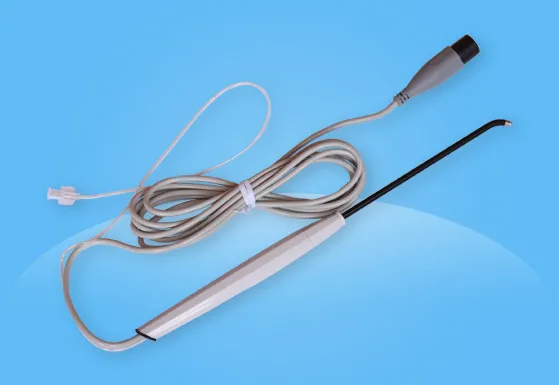
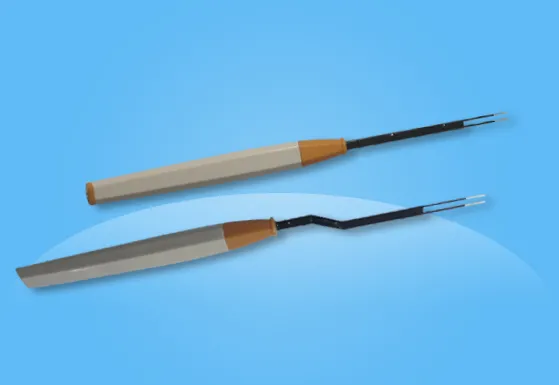
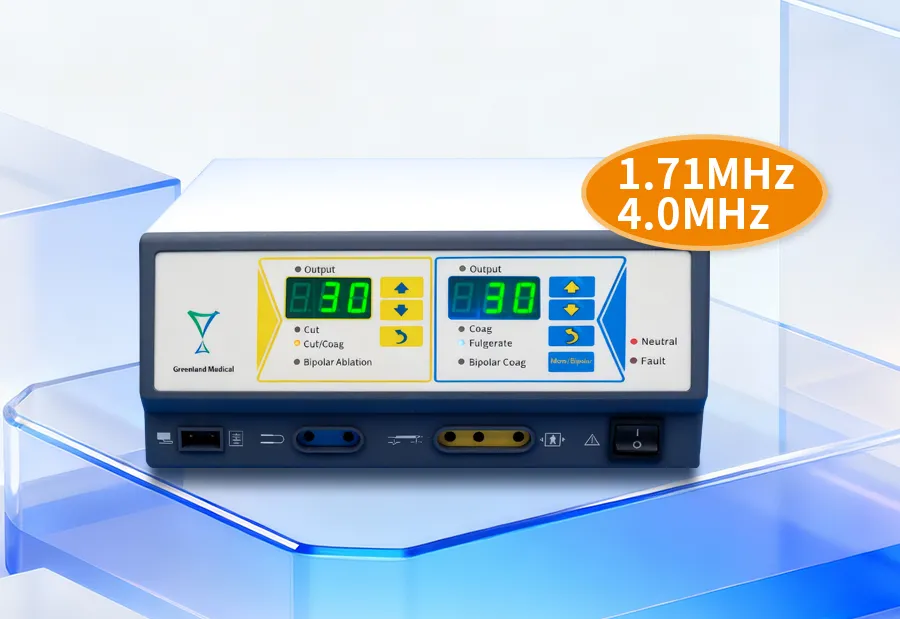
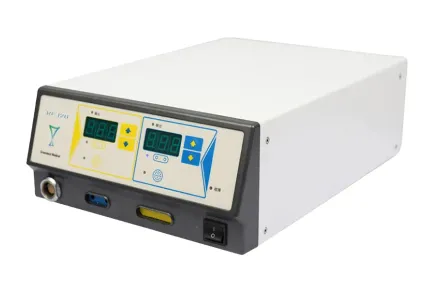
Radiofrequency surgery, as a conventional phototherapy method, has extremely wide applications in the field of skin disease treatment. It has advantages such as low temperature, minimally invasive, and safety. Can be used for the removal of benign skin masses such as scar lumps, pigmented nevi, warts, hemangiomas, pyogenic granulomas, etc., as well as for various diseases such as nail embedding, underarm odor, telangiectasia, spider nevi, acne/trauma scars, etc; And used for intraoperative hemostasis. Teenagers can also be used to treat diseases.
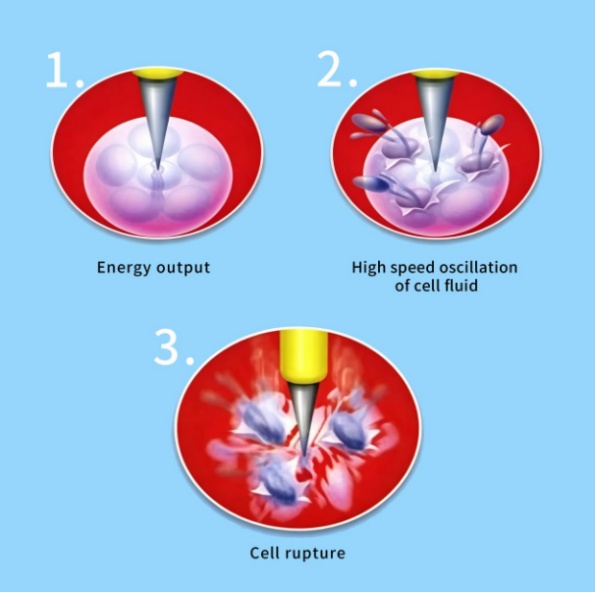
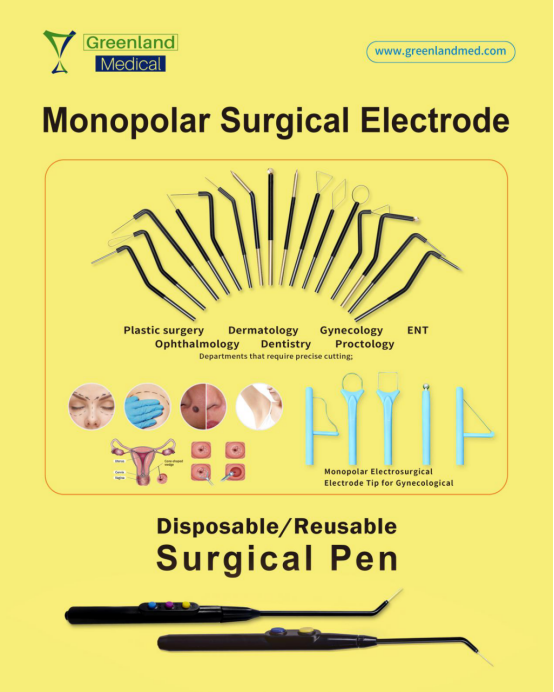
Radiofrequency surgery is the process of using radiofrequency waves as energy to cut, remove, stop bleeding, ablate, remove, or destroy tissue. When radiofrequency energy encounters tissue, it causes water molecules inside the tissue to rapidly oscillate, instantly vaporize, and cause cell rupture. Unlike the heat generated by an electric knife, the heat generated by radiofrequency conversion comes from within the tissue, and the radiofrequency emitter itself does not generate heat.
Advantages of radiofrequency surgery:
Low temperature: The highest temperature of the surgical area tissue is ≤ 70 ℃, which protects the activity of the tissue (tissue biopsy can be performed);
Minimally invasive: fine electrode, with the thinnest blade diameter of 0.0762mm; minimal tissue damage, lateral thermal damage ≤ 15 microns; Small edema, small scar tissue, good healing, and no tension.
Pressure free cutting: layer by layer cutting, with thin and complex tissue structure. Due to the precise cutting of radio frequency waves, the tissue can be cut and separated layer by layer, achieving clear tissue hierarchy and precise operation to the maximum extent.
Adapt to symptoms
Rosacea, axillary odor surgery, moles, seborrheic keratosis, flat warts, telangiectasia, etc;
RELATED PRODUCTS