
Top Mistakes to Avoid When Purchasing RF Surgical Equipment
June 17, 2026
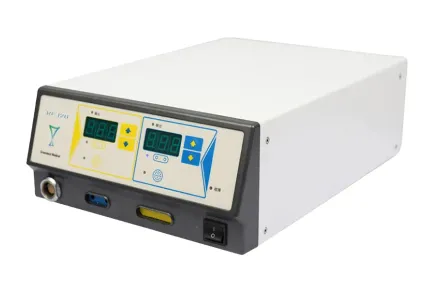
RF surgical equipment is widely used in dermatology, ENT, gynecology, plastic surgery, and veterinary medicine due to its precision and minimal thermal damage. However, many clinics and distributors make costly mistakes during procurement, leading to poor clinical results, equipment instability, or compliance issues.
This article is designed for hospital procurement teams, clinic owners, medical device distributors, and biomedical engineers who are planning to invest in an RF Surgical Unit. It explains the most common purchasing mistakes, why they happen, and how to avoid them when selecting a system like Greenland RF Surgical Unit.
Why Do RF Surgical Purchasing Mistakes Happen?
Most purchasing mistakes occur due to a lack of technical understanding and unclear clinical requirements.
Many buyers focus only on price or external appearance instead of evaluating core performance such as frequency stability, output precision, and safety control systems.
In addition, RF surgical devices vary significantly between manufacturers. Without proper evaluation, buyers may select incompatible or low-quality systems that do not meet surgical requirements.
Another major reason is insufficient communication between clinical users and procurement departments, leading to mismatched specifications.
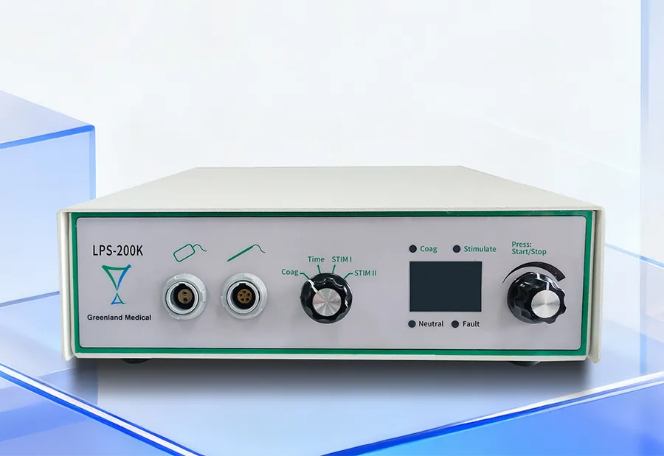
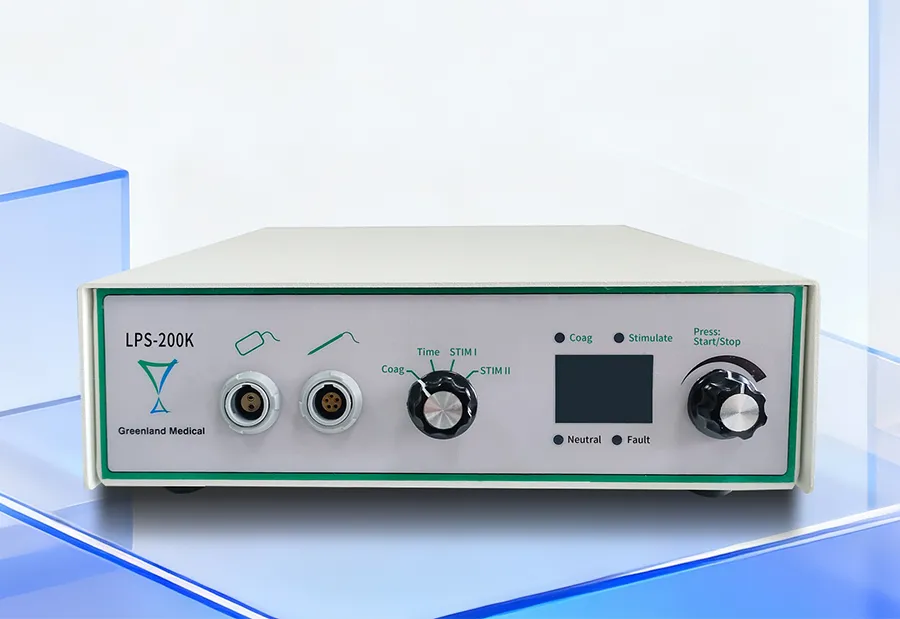
Thermocoagulation Unit LPS-200K
Key Factors That Affect RF Surgical Equipment Purchasing Decisions
Several technical and operational factors directly influence purchasing outcomes:
- Output power stability and control accuracy
- Monopolar and bipolar functionality
- Tissue cutting and coagulation performance
- Electrode compatibility and accessories availability
- Safety systems such as overload protection and return electrode monitoring
- Certification standards such as CE, ISO, and FDA compliance
Understanding these factors is essential when evaluating any RF Surgical Unit, especially for multi-specialty hospitals.
How to Choose the Right Structure or System Design?
RF surgical systems are generally designed in two configurations: portable units and desktop units.
Portable systems are suitable for outpatient clinics and small procedures, while desktop systems are preferred in hospitals requiring stable high-power output.
Key structural considerations include:
- Cooling system efficiency
- Internal circuit protection design
- Footswitch responsiveness
- Handpiece ergonomics
- Modular upgrade capability
Choosing the wrong structure often results in operational inefficiency and reduced lifespan of the equipment.
Common Mistakes When Buying RF Surgical Equipment
Many procurement teams repeat the same avoidable errors:
- Choosing equipment based only on lowest price
- Ignoring compatibility with existing surgical tools
- Overlooking certification and regulatory compliance
- Failing to evaluate after-sales service and spare parts availability
- Not testing output stability under real clinical conditions
- Underestimating training requirements for medical staff
These mistakes can significantly affect surgical precision and patient safety.
What Parameters Should Be Verified Before Purchasing?
Before finalizing any RF Surgical Unit, buyers should confirm the following parameters:
- Frequency range and output consistency
- Maximum and minimum power settings
- Mode switching speed (cut, coagulation, blend)
- Load resistance stability
- Electrode and accessory compatibility
- Alarm and safety shut-off systems
- Warranty period and technical support coverage
These specifications directly determine clinical reliability and long-term cost efficiency.
Recommended Solution: Greenland RF Surgical Unit
For hospitals and distributors seeking a stable and compliant system, Greenland RF Surgical Unit offers a reliable solution designed for multiple surgical applications.
Key advantages include:
- Stable RF output for precision surgery
- Dual-mode support for cutting and coagulation
- Compatible with multiple surgical handpieces
- Integrated safety protection system
- CE and ISO certified manufacturing standards
- Suitable for dermatology, ENT, gynecology, and plastic surgery
Greenland systems are designed to reduce operational risk while improving surgical accuracy and workflow efficiency.
Frequently Asked Questions
What is an RF Surgical Unit used for?
An RF Surgical Unit is used for cutting, coagulating, and removing soft tissue with minimal bleeding and thermal damage.
Is RF surgery safe for patients?
Yes, when properly operated, RF surgery is considered safe and provides faster recovery compared to traditional surgical methods.
How long does an RF Surgical Unit last?
With proper maintenance, a high-quality RF Surgical Unit can last 5–10 years or more.
What is the difference between RF and laser surgery?
RF uses radiofrequency energy to cut tissue, while laser uses light energy. RF generally offers better precision and lower thermal damage in soft tissue surgery.
Conclusion
Avoiding common procurement mistakes is essential when investing in an RF Surgical Unit. Buyers must focus on technical performance, safety compliance, and long-term service capability rather than price alone.
A well-selected system such as Greenland RF Surgical Unit can significantly improve clinical outcomes and operational efficiency.
Contact Greenland today to request a custom quote and technical specification sheet for your clinic or distribution needs.
RELATED PRODUCTS