
What are the unique advantages of using RF thermocoagulation for telangiectasia?
September 18, 2026
Radiofrequency (RF) High-Frequency Thermocoagulation: A Precise Approach to Fine Vascular Lesions
Radiofrequency (RF) high-frequency thermocoagulation is a targeted treatment method designed to address very fine superficial blood vessels that may be difficult to treat with conventional sclerotherapy or laser-based therapies. Instead of relying on light absorption, RF thermocoagulation uses an ultra-fine insulated probe to deliver high-frequency energy directly to the target vessel, generating localized heat that causes endothelial cell denaturation and vessel collapse.
This direct energy delivery makes RF thermocoagulation particularly useful for extremely fine vessels, including vessels measuring less than 0.2 mm in diameter. Because the treatment does not depend on hemoglobin or other optical chromophores, its application is not directly limited by the amount of blood within the vessel or by melanin competing for laser energy absorption.
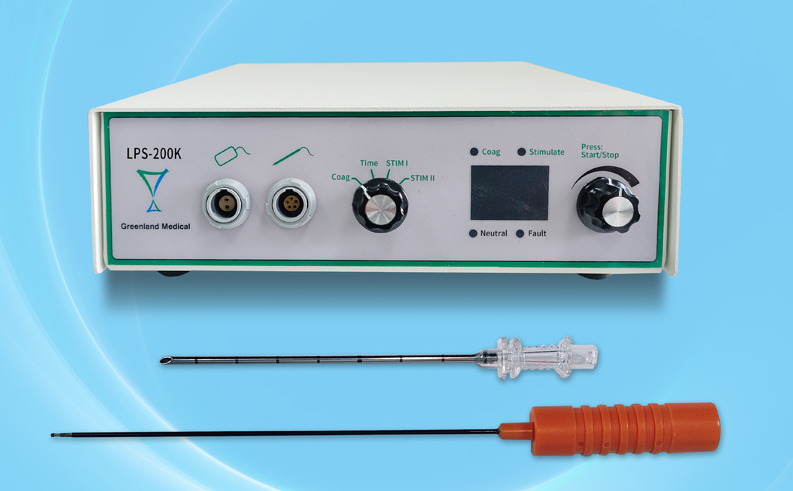
How RF Thermocoagulation Works
Direct Thermal Precision
RF thermocoagulation uses an ultra-fine insulated probe to deliver high-frequency energy precisely to the area being treated.
As the energy reaches the target, electrical resistance generates localized heat. This thermal effect causes endothelial cell denaturation and damages the vessel wall, allowing the vessel to collapse and gradually become less visible while helping to limit unnecessary exposure to the surrounding tissue.
The key principle is precision: energy is delivered directly to an individual vessel rather than across a broad treatment area.
Breaking the Dependence on Optical Chromophores
Many vascular laser systems work through selective absorption of light by hemoglobin, the chromophore responsible for much of the treatment effect in blood vessels.
For very small vessels or vessels containing limited blood volume, there may be insufficient chromophore absorption to generate the desired thermal effect. As a result, some fine vessels can be challenging for laser treatment.
RF thermocoagulation takes a different approach. Rather than depending on light absorption, it uses direct contact and electrical resistance to create thermal energy at the target site. This allows practitioners to treat vessels that may be difficult to adequately target with light-based technologies.
Addressing Stubborn and Residual Micro-Vessels
Targeting Extremely Fine Vessels
The limitations of different vascular treatments can vary depending on vessel size and treatment mechanism. Sclerotherapy requires access to the vessel with a needle, while laser systems depend on sufficient optical absorption within the target.
RF thermocoagulation is particularly suited to extremely fine vessels, including those below 0.2 mm in diameter.
These tiny vessels may remain visible after other vascular treatments and can represent the final residual areas requiring treatment. In such cases, RF thermocoagulation can serve as a precision-focused option for addressing persistent telangiectatic vessels.
Suitable for a Broad Range of Skin Types
Because RF thermocoagulation does not rely on light energy, it does not have the same melanin-related absorption mechanism associated with many laser treatments.
With laser-based vascular treatments, melanin can compete with hemoglobin for light absorption, which may increase the risk of unwanted thermal effects and pigmentary changes in darker skin types. RF energy bypasses this optical competition, making the treatment mechanism less dependent on skin pigmentation.
However, treatment suitability and safety still depend on the individual patient, treatment site, device settings, and practitioner technique.
Understanding the Treatment Trade-Offs
A More Precise, Hands-On Procedure
RF thermocoagulation offers high precision, but its treatment approach differs from broad-area light-based therapies.
Instead of applying energy across a larger surface with a laser or pulsed-light beam, the practitioner uses a fine physical probe to target individual vessels. This makes the procedure more tactile and technique-dependent.
As a result, RF thermocoagulation is generally better suited to specific, isolated vessels than to extensive areas of diffuse redness requiring broad treatment coverage.
When May RF Thermocoagulation Be Considered?
The appropriate treatment depends on the size, depth, distribution, skin characteristics, and clinical presentation of the vessels being treated. RF high-frequency thermocoagulation may be considered when:
Extremely Fine Vessels Are the Main Concern
For vessels smaller than 0.2 mm, RF thermocoagulation can provide a direct treatment approach for micro-vessels that may be difficult to access with sclerotherapy or adequately target with conventional laser treatment.
Skin Pigmentation Is an Important Consideration
Since RF energy is not based on selective optical absorption by hemoglobin, it avoids the same competition between melanin and hemoglobin that occurs with light-based vascular treatments. This can make RF thermocoagulation an option worth considering for patients across a wider range of skin tones, based on professional assessment.
Residual Vessels Remain After Other Treatments
Some fine telangiectatic vessels may persist after laser or other vascular procedures. RF thermocoagulation can be used as a precision treatment for selected residual or treatment-resistant vessels that remain visible after previous treatment.
A Precision-Focused Solution for Fine Vascular Concerns
RF high-frequency thermocoagulation provides a different approach to vascular treatment by delivering thermal energy directly to the target vessel rather than relying on optical absorption. Its precision makes it particularly relevant for extremely fine vessels, including those below 0.2 mm, and for selected residual telangiectasia that may be difficult to address with broader treatment modalities.
The most appropriate treatment should be determined through an individual clinical assessment, taking into account vessel characteristics, skin type, treatment history, and the desired treatment area.
Summary Table:
| Feature | RF Thermocoagulation | Traditional Laser Therapy |
|---|---|---|
| Target Mechanism | Direct Thermal Contact | Chromophore (Hemoglobin) Absorption |
| Vessel Size | Ideal for <0.2 mm (Micro-vessels) | Better for larger, visible vessels |
| Skin Type Suitability | All skin types (No melanin risk) | Higher risk for darker skin tones |
| Primary Advantage | Treats optically resistant vessels | Faster for large areas of redness |
-
Previous
none
RELATED PRODUCTS