
What is Electrosurgery?
April 09, 2026
What is Electrosurgery?
Electrosurgery is a medical procedure that uses controlled electrical energy to cut tissue, remove abnormal growths, or stop bleeding. During the procedure, an electrosurgical unit (ESU) generates electricity, which is delivered to the targeted area through a specialized electrode. This is commonly applied to diseased or atypical soft tissue, including skin.
The electrical energy produces heat, which intentionally damages tissue in a controlled manner to achieve therapeutic effects. Electrosurgery effectively removes unwanted or abnormal tissue and seals blood vessels, reducing blood loss. It can be used as a standalone treatment or in combination with other medical procedures.
How Does Electrosurgery Work?
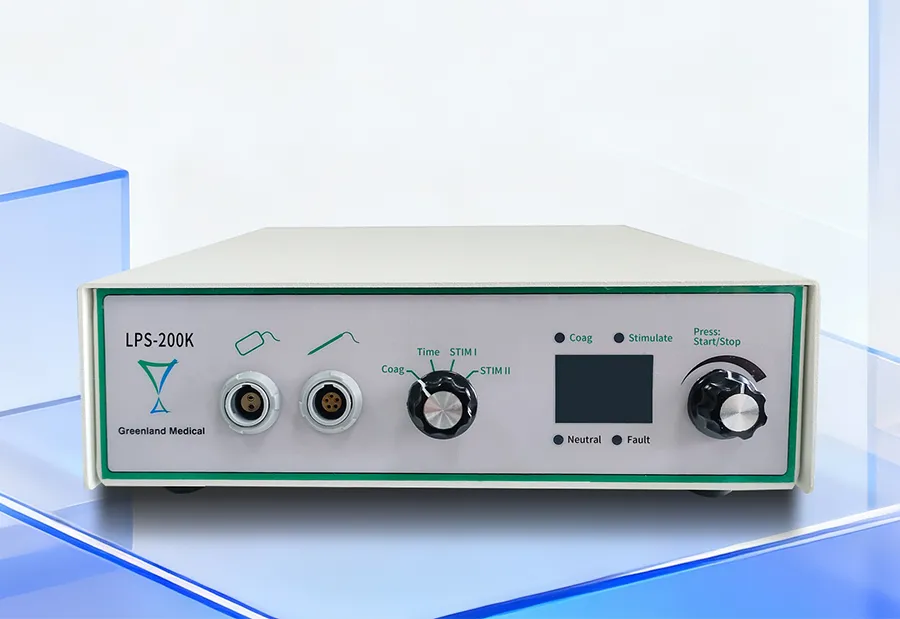
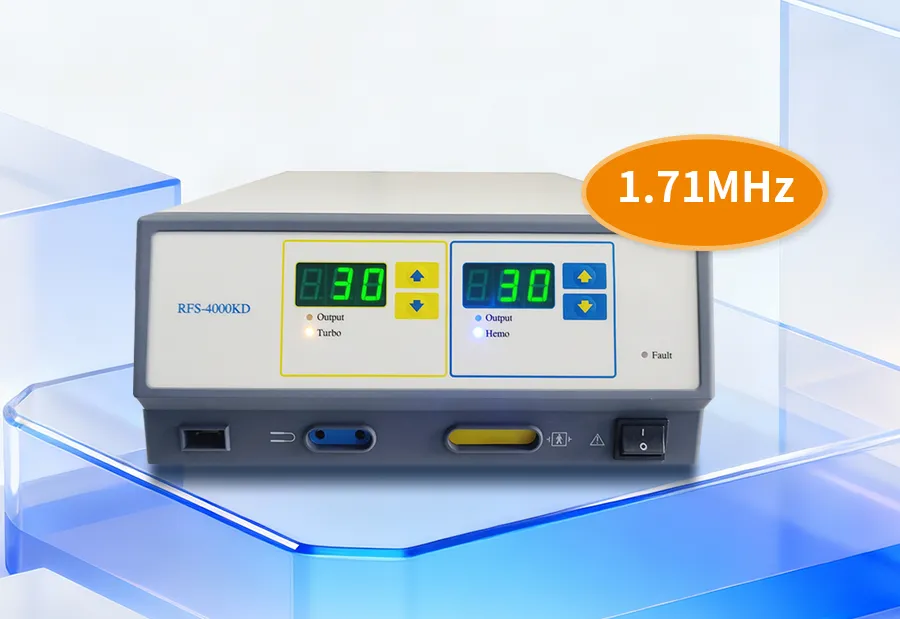
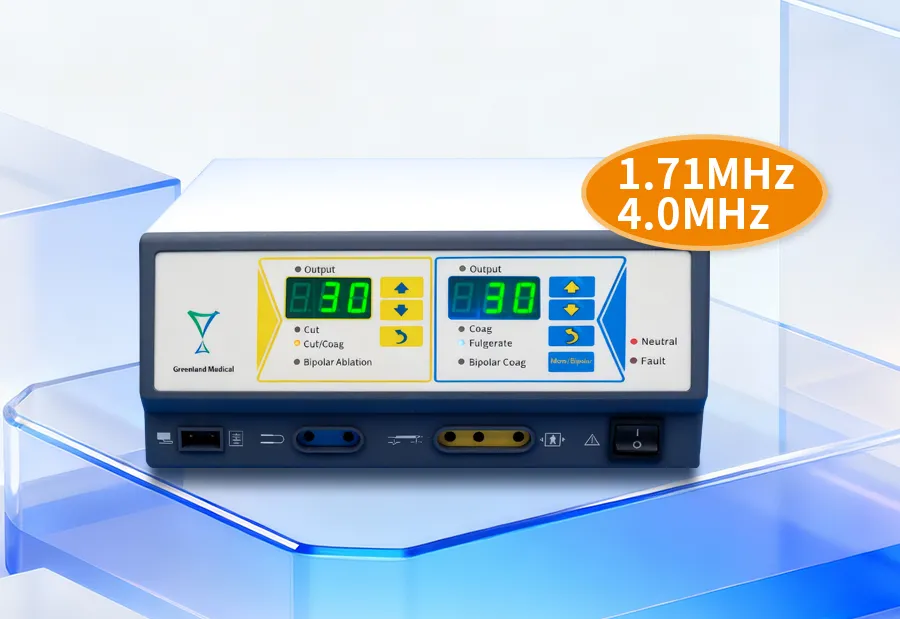
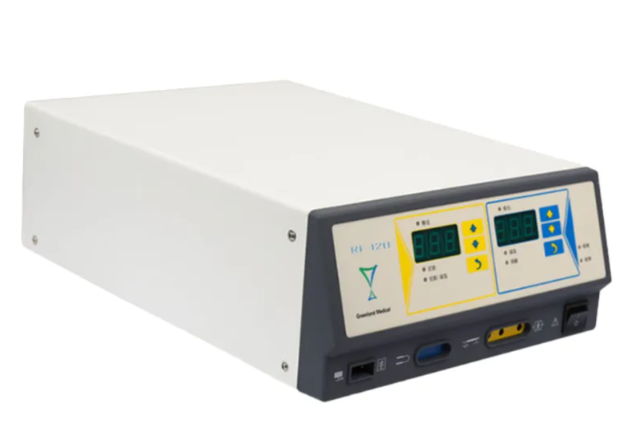
An electrosurgical system consists of three main components: the electrosurgical unit (ESU), the active electrode, and, when needed, a dispersive electrode (also called a grounding pad). The ESU draws electrical current from the outlet and converts it into a high-frequency current. At these frequencies, muscles and nerves are not stimulated, but heat is generated at the cellular level. This heat is what enables tissue cutting and coagulation.
Electrosurgery works by directing the high-frequency electrical current through the active electrode to the targeted tissue. The localized heating allows physicians to make precise cuts or coagulate tissue, effectively minimizing bleeding. By adjusting the method, mode, and power settings (wattage), healthcare providers can tailor the electrosurgical output for a wide range of procedures, ensuring safety and optimal results.
Types of Electrosurgery
Most electrosurgical techniques utilize alternating current (AC), where the electricity flows back and forth through the tissue, generating heat due to tissue resistance. Common AC-based methods include:
- · Electrofulguration – The electrode produces a spark that treats the tissue without direct contact. Typically held a few millimeters above the surface, this method affects only the top layer of tissue.
- · Electrodessication – The electrode is applied directly to the tissue, and electrical energy dries out the targeted area.
- · Electrocoagulation – Electricity penetrates deeper than the previous methods, destroying abnormal tissue while promoting blood clotting.
- · Electrosection – Provides precise tissue cutting, often described as a “warm knife” smoothly slicing through tissue.
Electrocautery is a variation that uses direct current (DC). Unlike AC, the current does not pass through the patient;s tissue. Instead, it heats the tip of a probe, which then is applied to tissue to destroy abnormal areas or control bleeding.
What is the Difference Between Electrocautery and Electrosurgery?
Although the terms are sometimes used interchangeably, electrosurgery and electrocautery are distinct techniques.
- · Electrosurgery uses high-frequency alternating electrical currents that pass through the tissue, generating heat at the cellular level. This allows for both cutting and coagulation of tissue, providing precise control during surgical procedures.
- · Electrocautery, also known as thermal cautery, works differently. The device contains a heating element, and the current does not pass through the patient’s body. Instead, tissue is cauterized by direct transfer of heat from the device tip. Electrocautery can coagulate tissue but cannot perform the cutting function that electrosurgery achieves.
What is the Difference Between Monopolar and Bipolar Electrosurgery?
Electrosurgical units (ESUs) generate electrical currents to cut and coagulate tissue, commonly used during endoscopic and other surgical procedures. Most ESUs support both monopolar and bipolar techniques, but the key difference lies in how the electrical current flows and completes the circuit.
- · Monopolar Electrosurgery – In this method, the current passes from the active electrode through the targeted tissue and travels through the patient’s body to a dispersive (grounding) pad. The current then returns to the ESU, completing the circuit. Monopolar electrosurgery is widely used because it allows for effective cutting and coagulation over larger areas.
- · Bipolar Electrosurgery – Here, the current flows from the generator through the active electrode directly to the return electrode within the same device, such as forceps or a bipolar probe. Since the current does not pass through the patient’s body, a dispersive pad is not required.
Physicians select the technique based on the procedure and patient factors. While monopolar electrosurgery is more common, bipolar electrosurgery is preferred for patients with implanted medical devices like pacemakers, as it avoids electrical interference with these devices.
Modes and Operation of Electrosurgery
In monopolar electrosurgery, electrical current is delivered to the patient via an active electrode. The current passes through the tissue and returns to the electrosurgical unit (ESU) through a dispersive return electrode pad or plate. This disperses the returning current and prevents localized heat buildup, reducing the risk of burns.
In bipolar electrosurgery, both electrodes—typically the tips of forceps or scissors—serve as the active and return leads. The current flows directly between the two tips, eliminating the need for a dispersive pad and providing highly localized energy delivery.
Cut vs Coagulation Modes
Electrosurgical units offer different modes depending on the surgical goal:
- · Cut Mode – Used to make precise incisions. There are two types:
- Pure Cut: Produces a narrow, deep incision similar to a scalpel cut. Minimal bleeding control is provided.
- Blended Cut: Uses lower frequency and higher voltage to heat the tissue and allow partial coagulation, creating a wider incision with some control over bleeding.
- · Coagulation (COAG) Mode – Designed to stop bleeding. High voltage and low frequency produce heat that forms a thermal coagulum (clot) without explosive vaporization. Tissue is allowed time to cauterize between contacts, giving the surgeon more control over bleeding.
Safety and Performance
The performance and safety of electrosurgical units are critical. Regular testing and calibration ensure the safety of patients and staff while managing the risks associated with applying high- and low-frequency electrical currents to human tissue.
What Conditions Are Treated with Electrosurgery?
Electrosurgery is widely used in dermatology to remove unwanted or abnormal growths. It can safely eliminate benign lesions such as skin tags, warts, and certain pre-cancerous or cancerous skin conditions.
A common dermatological procedure, Electrodessication and Curettage (ED&C), is used to treat basal cell carcinoma and squamous cell carcinoma. In this technique, a dermatologist first scrapes away the lesion with a sharp instrument (curettage), then applies electrosurgery to destroy any remaining abnormal cells, ensuring precise and effective treatment.
Beyond dermatology, electrosurgery is utilized across multiple medical specialties. It is frequently employed during endoscopic procedures, where a specialized scope allows clinicians to locate, remove, or destroy abnormal tissue within the body safely and efficiently.
Treatment Details: What Happens During Electrosurgery?
Before the procedure, anesthesia is administered to ensure you do not feel pain. Once the area is numb, an electrosurgical unit (ESU) generates electrical current, which is delivered to the targeted tissue through a specialized electrode. The effects and process depend on the type of electrosurgery used.
Monopolar Electrosurgery
Most electrosurgical procedures use monopolar electrosurgery, where a single electrode tip interacts with the body. The process works as follows:
1. The ESU sends electrical current to the active electrode.
2. The current passes through the tissue, generating heat that cuts, destroys, or coagulates tissue.
3. The current then travels to a non-active (dispersive) electrode, often a grounding pad placed on the thigh or a plate held by the patient.
4. Finally, the current returns to the ESU, completing the circuit.
This controlled flow of electricity allows precise tissue treatment while minimizing damage to surrounding areas.
Bipolar Electrosurgery
In bipolar electrosurgery, two electrode tips interact with the tissue simultaneously. Typically, forceps are used to grasp the targeted tissue, with one tip serving as the active electrode and the other as the return electrode.
The process works as follows:
1. The ESU sends electrical current to the active electrode.
2. The current flows through the tissue to the return electrode, allowing precise treatment of the targeted area.
3. The current returns to the ESU, completing the circuit.
Risks and Benefits
Potential Benefits of Electrosurgery
Electrosurgery offers several advantages over traditional surgical methods. By using controlled electrical energy rather than a scalpel, healthcare providers can:
- · Precisely target abnormal or atypical tissue while minimizing damage to surrounding healthy tissue.
- · Remove tissue with minimal scarring, promoting faster cosmetic healing.
- · Quickly ablate (destroy) unwanted tissue.
- · Effectively stop bleeding during procedures, reducing blood loss.
When combined with curettage, electrosurgery is highly effective in treating basal cell carcinoma and squamous cell carcinoma, with cure rates ranging from 90% to 95%.
Risks of Electrosurgery
Electrosurgery is generally considered safe, especially when performed by experienced healthcare providers. However, like any medical procedure, it carries potential risks, including:
- · Burns – Excessive heat from the electrical current can cause burns. Providers minimize this risk by using the lowest effective power settings and carefully monitoring the procedure.
- · Electric Shock – Improper grounding may result in electric shock. Proper setup and adherence to safety protocols prevent this risk.
- · Infections – Contaminated electrodes or smoke produced during electrosurgery can spread germs or toxins. Providers use sterilized equipment and perform procedures in rooms equipped with smoke evacuation systems to ensure safety.
- · Bleeding – Tissue damage may sometimes lead to excessive bleeding. Adjusting ESU settings helps reduce this risk.
- · Skin Changes – Certain electrosurgical procedures can cause temporary or permanent skin lightening (hypopigmentation) at the treatment site. Providers will discuss this possibility before the procedure.
- · Interference with Implants – Some electrosurgery techniques can affect pacemakers or defibrillators. Providers take precautions to ensure electrical devices are not impacted during treatment.
With proper precautions and experienced providers, these risks are rare, making electrosurgery a safe and effective treatment option for many conditions.
Recovery and Outlook
Healing Timeline
Recovery after electrosurgery depends on the depth and location of the treated tissue:
- · Superficial skin growths – Healing usually takes about one week.
- · Deeper wounds – May require two to four weeks or longer to fully recover.
- · Endoscopic procedures – Recovery times vary depending on the procedure and treated area. Your healthcare provider will give you a personalized timeline based on your condition.
When to Call Your Healthcare Provider
It’s important to monitor your healing process and contact your provider if any concerns arise. For skin treatments, call your provider if:
- · Bleeding continues despite applying direct pressure for 20 minutes.
- · You notice unexpected changes in your treated area.
- · Healing seems slower than anticipated or you experience unusual pain, redness, or signs of infection.
Your healthcare provider will guide you on what to expect during recovery and when to seek prompt medical attention.
Additional Common Questions
Is Electrosurgery the Same as Laser Surgery?
Electrosurgery and laser surgery are different technologies. Electrosurgery uses electrical energy to cut, destroy, or coagulate tissue, whereas laser surgery uses light energy to achieve similar effects. Both methods can remove tissue, control bleeding, and treat a variety of conditions, but the mechanisms are distinct.
Electrosurgery relies on the controlled heat generated by electricity to treat targeted areas. In some cases, patients may observe the electrode in action—for example, when a wart or skin growth is removed. In other cases, electrosurgery is part of a larger procedure, such as an endoscopy, where anesthesia is used and the patient may not be aware of the specific technologies applied.
RELATED PRODUCTS