
What is Radiofrequency Thermocoagulation and Who Needs It?
September 18, 2026
Understanding Radiofrequency Thermocoagulation: What It Is and Who Can Benefit
As we age, various skin concerns become increasingly common. For those seeking smoother, clearer, and more even-looking skin, a range of treatment options is available. One of these is Radiofrequency (RF) Thermocoagulation, a targeted treatment that can be used to address certain visible skin imperfections, including spider veins, broken capillaries, and redness associated with rosacea.
What Is Radiofrequency Thermocoagulation?
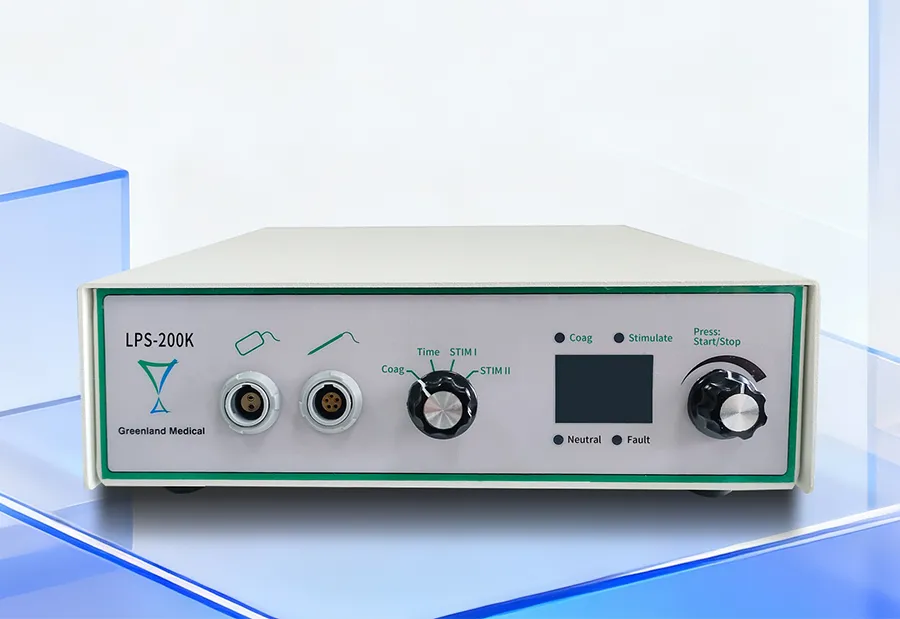
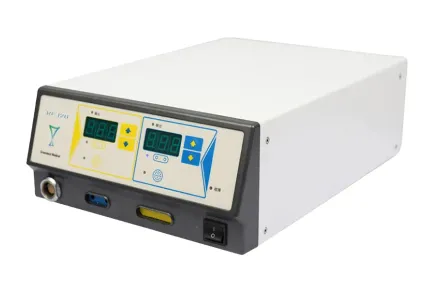
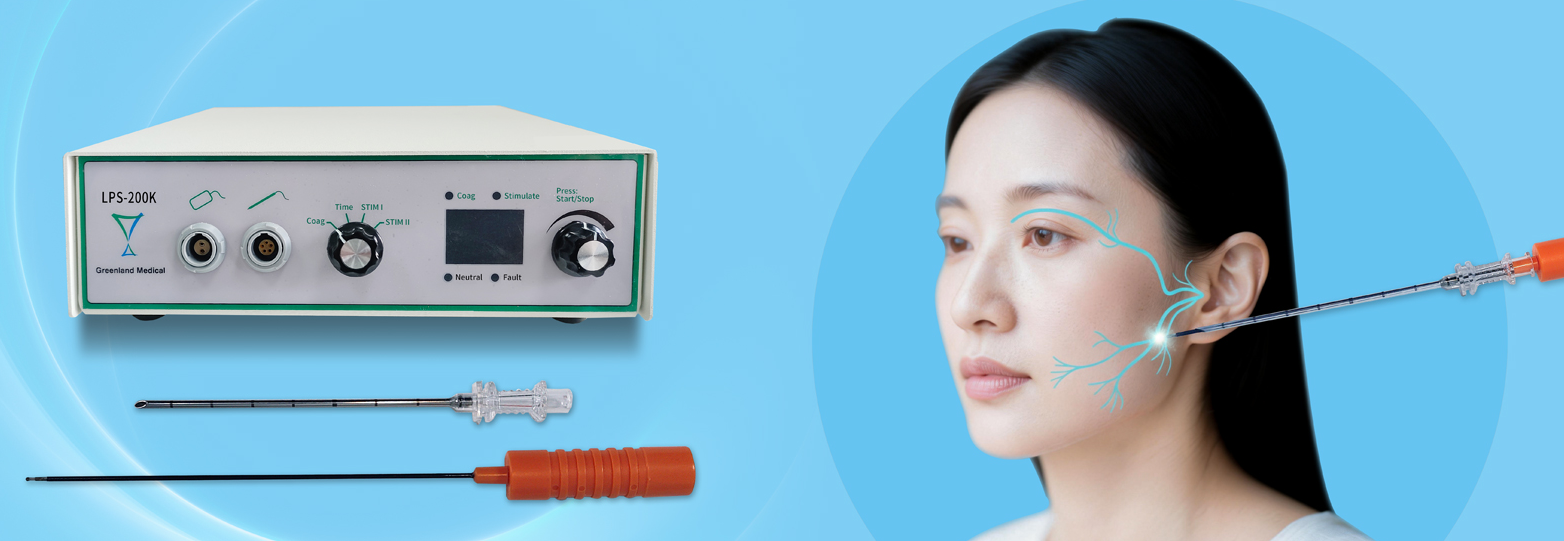
Radiofrequency Thermocoagulation is a targeted treatment that uses high-frequency electrical energy to treat specific areas of the skin. During the procedure, RF energy generates controlled heat at the treatment site, causing targeted blood vessels or tissue to coagulate.
The treatment is designed to focus energy precisely on the intended area while limiting the effect on surrounding tissue. Depending on the application and treatment area, RF thermocoagulation may help improve the appearance of certain vascular and superficial skin concerns.
How Does RF Thermocoagulation Work?
During an RF Thermocoagulation treatment, a fine needle or electrode delivers radiofrequency energy to the targeted area. The resulting heat produces a controlled thermal effect, which can cause small blood vessels or targeted tissue to coagulate.
The treated tissue is then gradually processed and cleared by the body's natural healing mechanisms. As the treatment area recovers, the appearance of the targeted imperfection may become less noticeable, contributing to a clearer and more even-looking complexion.
Treatment time varies depending on the size and condition of the area being treated. A session may take approximately 15 to 30 minutes, although the actual duration depends on the specific procedure and treatment plan. Whether anesthesia is required also depends on the treatment area and clinical protocol.
Who Can Benefit from RF Thermocoagulation?
RF Thermocoagulation may be considered for individuals with certain visible skin concerns. Common applications include:
Spider Veins and Broken Capillaries
Visible spider veins and broken capillaries can appear on the face or legs and may affect the overall appearance of the skin. RF Thermocoagulation targets these small blood vessels with controlled RF energy, producing a localized thermal effect that may reduce their visible appearance over time.
Rosacea and Facial Redness
Rosacea is a chronic skin condition often associated with facial redness and visible blood vessels. In appropriate cases, RF Thermocoagulation may be used to target superficial blood vessels and help reduce their visible appearance, contributing to a more even-looking skin tone.
Skin Tags and Small Benign Lesions
Small skin tags and certain benign superficial lesions may be cosmetically undesirable or uncomfortable. Depending on the specific lesion and clinical assessment, RF Thermocoagulation can be used as a precise treatment method to target the unwanted tissue while minimizing the effect on surrounding skin.
Safety and Efficacy
A key consideration when selecting any RF Thermocoagulation treatment is the controlled delivery of energy to the target area. The precision of RF technology allows practitioners to focus treatment on specific tissue while limiting unnecessary exposure to surrounding areas.
Temporary effects such as mild redness, warmth, or swelling may occur after treatment. The extent and duration of these effects vary depending on the treatment area, energy settings, individual skin characteristics, and clinical technique.
As with any aesthetic or medical procedure, treatment should be performed by a qualified professional using appropriate equipment and following established clinical protocols.
What to Expect During and After Treatment
Before undergoing RF Thermocoagulation, a consultation with a qualified dermatologist, aesthetic practitioner, or other appropriate healthcare professional can help determine whether the procedure is suitable for your specific skin concerns.
During treatment, patients may experience a brief warming, tingling, or pinching sensation as RF energy is delivered to the targeted area. The level of discomfort can vary depending on the treatment site, settings, and individual sensitivity.
After treatment, appropriate skin care is important. Patients may be advised to avoid excessive sun exposure, use broad-spectrum sunscreen, keep the treated area moisturized, and follow any additional aftercare instructions provided by their practitioner.
Following the recommended post-treatment care can help support the skin's recovery and maintain treatment results.
Is RF Thermocoagulation Right for You?
RF Thermocoagulation may be an option for individuals seeking a targeted treatment for certain visible skin imperfections without undergoing more invasive procedures. Its suitability depends on the type of concern being treated, the treatment area, skin characteristics, and the individual's overall situation.
A professional consultation is therefore an important step before treatment. A qualified practitioner can assess your skin concerns, discuss expected results and potential risks, and determine whether RF Thermocoagulation is an appropriate option for you.
RELATED PRODUCTS