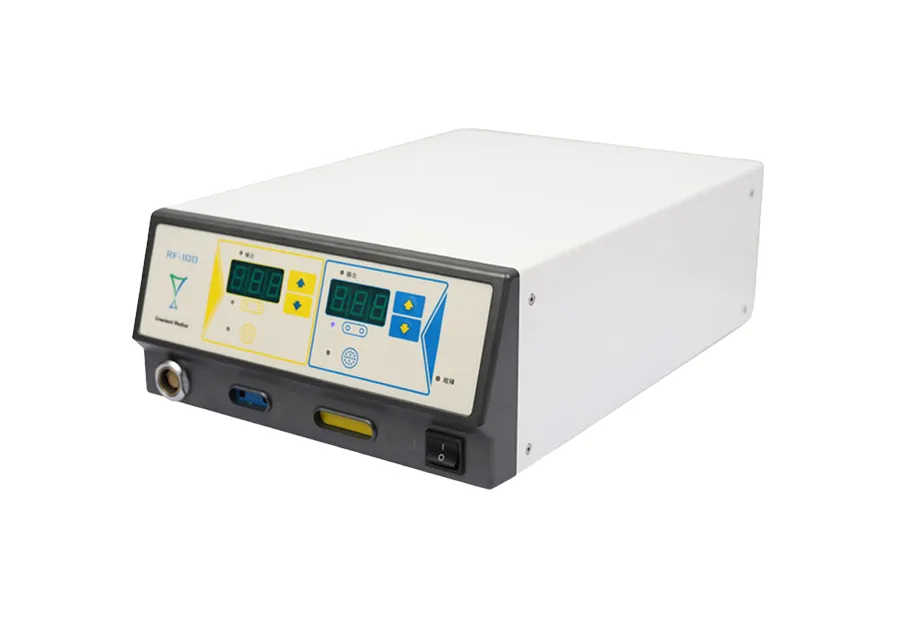
The Bipolar RF Electrosurgical Unit is a high-frequency surgical generator engineered for soft tissue management in modern operating environments. Compared with conventional electrosurgical systems, bipolar technology enables more focused energy transfer between the instrument tips, which helps improve operational precision during coagulation and tissue treatment procedures.
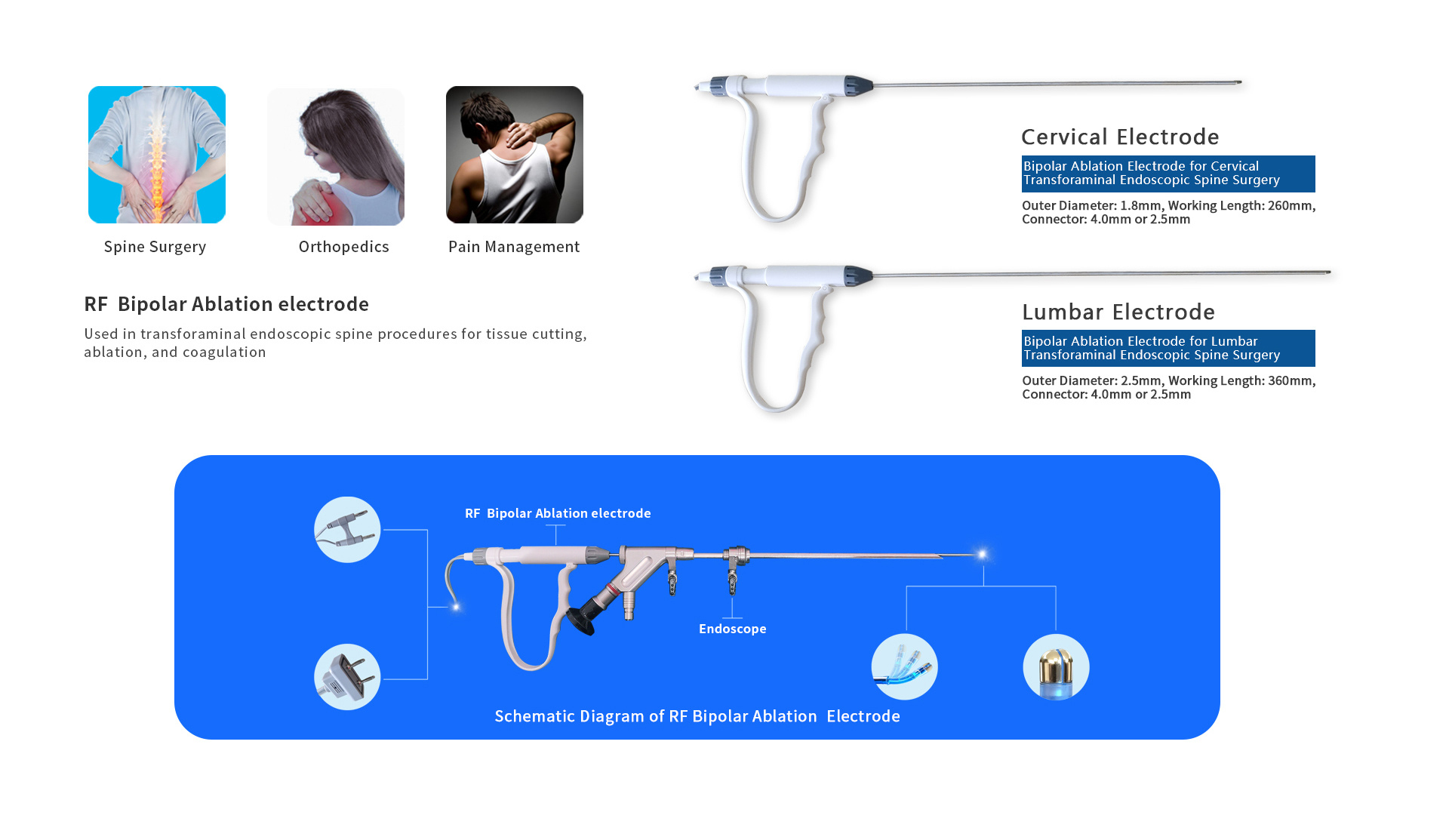
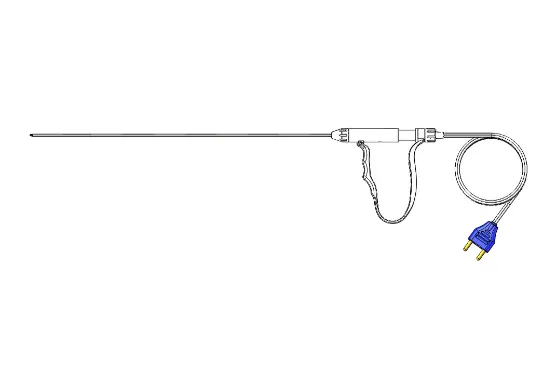
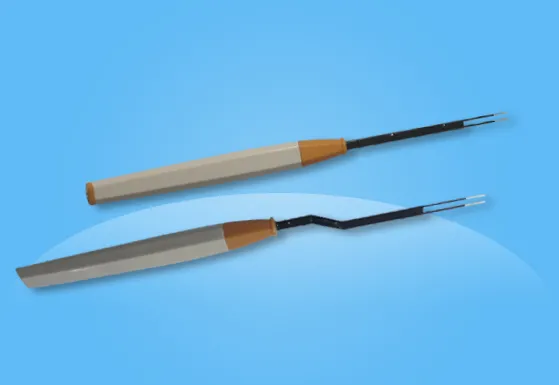
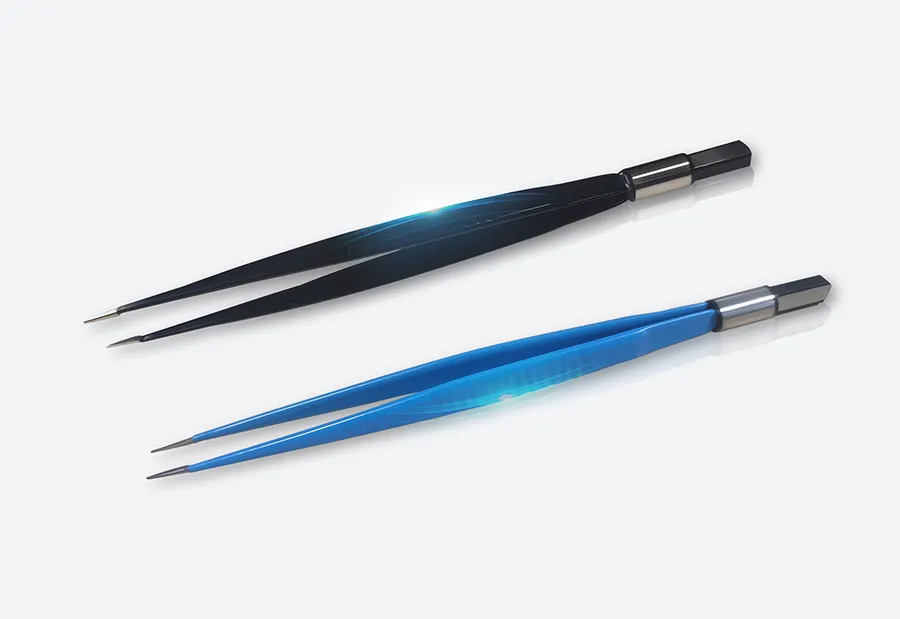
The unit is designed with stable RF energy output and user-friendly operation, supporting efficient surgical workflow while maintaining reliable performance during continuous procedures. It can be used together with compatible bipolar forceps, cables, and surgical accessories to meet different clinical requirements.
With compact construction, responsive power delivery, and consistent energy control, the system is suitable for surgical environments that require dependable bipolar electrosurgical performance.
| Model |
PRF-4000KD |
| Operating Mode |
Bipolar at 1.71MHz |
| Operating Temperature |
40°C-70°C |
| Power Input |
220V 50Hz |
| Output Power |
1—75W |
Advantages
Compared with conventional cutting-and-coagulation approaches, a bipolar RF system offers a more localized energy path, which helps surgeons work with greater accuracy and control. Public product descriptions from medical suppliers also highlight the benefits of bipolar forceps and related systems in precision, safety, visibility, tactile sensitivity, and reduced fatigue during longer procedures.
FAQ
What is a bipolar RF electrosurgical unit used for?
It is used to deliver high-frequency energy between two electrodes for cutting and coagulating soft tissue. This concentrated energy path is a defining characteristic of bipolar electrosurgery.
Why is bipolar energy preferred in precise procedures?
Because the current is confined to the tissue between the two electrodes, bipolar systems support more localized energy delivery and better control during surgery.
Can it work with standard bipolar accessories?
Yes. Bipolar electrosurgical systems are commonly used with bipolar forceps and bipolar cords, and many product pages describe these accessories as part of the standard setup.