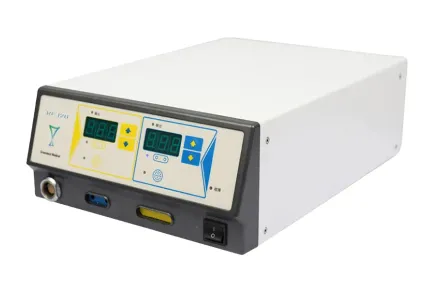

Uses of Bipolar Forceps: Advantages and Techniques
July 09, 2026
Bipolar forceps are essential instruments in modern surgical procedures, offering significant advantages in precision, safety, and operational efficiency. These medical tools are specifically designed for electrosurgery, using controlled electrical energy to achieve coagulation, vessel sealing, and tissue cutting while minimizing damage to surrounding tissues.
Unlike traditional unipolar electrosurgical devices, bipolar forceps provide more localized energy delivery and greater procedural control. This makes them particularly valuable in delicate surgical specialties such as neurosurgery, gynecology, and ear, nose, and throat (ENT) surgery, where accuracy is critical.
As a result, bipolar forceps have become indispensable across a wide range of surgical fields. This article explores their applications, key benefits, and the proper techniques required to ensure safe and effective use. It also highlights the importance of selecting high-quality instruments from trusted manufacturers such as Greenland, a leading medical equipment manufacturer and supplier in China.
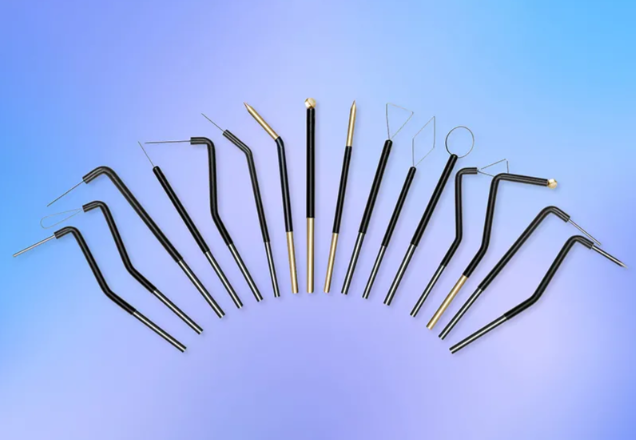
What Are Bipolar Forceps?
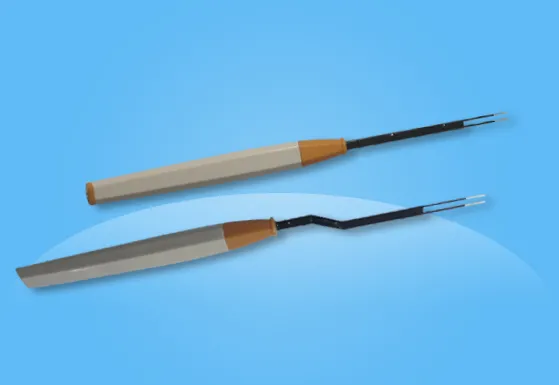
Bipolar forceps are specialized instruments used in electrosurgery. They are designed to deliver electrical current through two closely aligned electrode tips. This unique configuration allows surgeons to apply energy precisely to targeted tissue without passing current through the patient’s entire body, as can occur in monopolar systems. As a result, energy flows only between the two tips, significantly reducing the risk of burns, unintended tissue damage, and surgical complications. Bipolar forceps are widely used in procedures where precision and minimal collateral impact are critical.
How Bipolar Forceps Work
Bipolar forceps operate by delivering a controlled electrical current directly to the tissue being treated. This energy generates localized heat, which coagulates blood vessels and seals tissue effectively, helping to control bleeding during surgery. Unlike monopolar electrosurgery, which requires a return electrode pad placed on the patient, bipolar systems confine the electrical circuit to the forceps tips, minimizing the spread of current and reducing the risk of accidental burns or collateral tissue injury.
Bipolar forceps are available in a variety of shapes, sizes, and tip designs to accommodate different surgical requirements. They are increasingly used in delicate and precision-dependent procedures such as microsurgery, neurosurgery, and plastic surgery.
Key Advantages of Bipolar Forceps
The use of bipolar forceps in surgical procedures provides multiple advantages, particularly in terms of safety, precision, and operational efficiency. Below are the key benefits in detail:
1. Improved Precision
One of the most significant advantages of bipolar forceps is the high level of control they provide. Since the electrical current flows only between the two tips of the forceps, surgeons can target and coagulate tissue very precisely. This is especially important in delicate procedures such as neurosurgery and ophthalmic surgery, where accuracy is critical.
2. Reduced Risk of Burns
In monopolar electrosurgery, electrical current passes through the patient’s body to a grounding pad, which increases the risk of unintended burns or tissue damage. Bipolar forceps eliminate this risk by confining the current flow strictly between the two electrode tips, preventing energy from spreading through the patient’s body.
3. Minimal Tissue Damage
With bipolar electrosurgery, heat is concentrated only at the site where the forceps are applied. This localized energy delivery reduces damage to surrounding tissues. This is particularly important in sensitive areas such as the brain and spinal cord, where even minor damage can have serious consequences.
4. Enhanced Patient Safety
Bipolar forceps offer a higher safety profile compared to monopolar systems. Since no grounding pad is required, risks associated with improper pad placement or electrical faults are significantly reduced, making the procedure safer overall.
5. Efficient Hemostasis
Effective control of bleeding is essential in any surgical procedure. Bipolar forceps allow rapid and reliable coagulation of small blood vessels, helping to achieve quick hemostasis. This not only reduces operating time but also improves recovery outcomes and lowers the risk of postoperative bleeding complications.
6. Versatility Across Multiple Specialties
Bipolar forceps are widely used across various surgical fields, including:
- · Neurosurgery: For precise dissection and coagulation near critical neural structures
- · ENT surgery: For delicate procedures involving the ear, nose, and throat
- · Gynecological surgery: For both laparoscopic and open procedures requiring minimal blood loss
- · Plastic and reconstructive surgery: To reduce scarring and improve aesthetic outcomes
7. Cost-Effective and Time-Saving
By improving efficiency and reducing complications, bipolar forceps help shorten surgery time and lower the likelihood of post-operative issues. This leads to reduced overall healthcare costs and improved resource utilization.
8. Compatibility with Modern Surgical Equipment
Bipolar forceps are compatible with most modern electrosurgical units, offering flexibility and ease of integration into various surgical systems. This makes them adaptable to a wide range of procedures and clinical environments.
Techniques for Using Bipolar Forceps
While bipolar forceps offer significant advantages in surgical procedures, their effectiveness depends heavily on proper technique and correct usage. The following best practices help maximize performance and ensure safe outcomes:
1. Proper Tip Selection
Selecting the appropriate tip size and shape is essential for achieving optimal results. Surgeons should choose micro-tips, wide-tips, or angled bipolar forceps based on the tissue type and the specific requirements of the procedure.
2. Optimal Power Settings
Correct electrosurgical unit settings are critical to ensure effective coagulation without causing thermal damage. Power levels should be adjusted according to tissue type, surgical purpose, and the equipment being used.
3. Tissue Grasping Technique
Excessive pressure should be avoided when grasping tissue with bipolar forceps, as too much force can lead to tissue damage. Instead, a gentleand controlled grip should be used to achieve effective coagulation while preserving surrounding structures.
4. Maintaining a Clean Working Field
Keeping the forceps tips clean during surgery is essential for consistent performance. Blood or tissue buildup can reduce efficiency. Cleaning with saline solution or appropriate cleaning tools helps maintain optimal conductivity and precision.
5. Temperature Control
Surgeons must carefully monitor heat generation during coagulation. Excessive thermal buildup can damage surrounding tissues. Using short activation intervals and allowing cooling time between applications helps reduce the risk of thermal injury.
6. Avoiding Unnecessary Force
Applying excessive force when closing the forceps tips can crush tissue rather than properly coagulating it. A light and controlled pressure ensures that electrical energy is used effectively for coagulation instead of mechanical damage.
7. Continuous Monitoring
Ongoing observation of the surgical field is essential to prevent over-coagulation. Excessive coagulation may result in tissue charring, which can increase the risk of infection, delayed healing, and other postoperative complications.
Maintenance and Care of Bipolar Forceps
Proper maintenance of bipolar forceps is essential to ensure their longevity and consistent performance. Here are some key maintenance tips:
Cleaning: After every use, the forceps should be thoroughly cleaned to remove any biological material.
Sterilization: Follow the manufacturer’s recommendations for sterilization to ensure that the forceps remain safe for future use.
Inspection: Regular inspection of the forceps tips is important to ensure there are no signs of wear or damage. Damaged tips can lead to ineffective coagulation or increased risks during surgery.
Greenland: Leading the Way in Medical Equipment Manufacturing
At Greenland, we are committed to providing high-quality medical equipment to healthcare professionals across India and beyond. As a leading medical equipment manufacturer and trusted supplier in India, we specialize in producing advanced surgical instruments such as bipolar forceps, ensuring surgeons have access to reliable tools for critical procedures.
Our products are designed to meet stringent international standards, delivering both precision and dependable performance in surgical environments. Whether you are a neurosurgeon requiring fine-tipped bipolar forceps for intricate procedures or a gynecologist in need of reliable coagulation instruments for laparoscopic surgery, Greenland offers solutions tailored to your clinical requirements.
FAQs
What are bipolar forceps?
Bipolar forceps are specialized surgical instruments used in electrosurgery to coagulate and cut tissue by applying electrical current between two closely aligned electrode tips. This allows localized control of energy to stop bleeding and seal tissue, making them ideal for delicate surgical procedures.
How do bipolar forceps work?
Bipolar forceps deliver a controlled electrical current between the two tips. This generates heat that coagulates and seals blood vessels and tissue without allowing electrical current to pass through the patient’s body, reducing the risk of burns and collateral tissue damage.
What are the advantages of using bipolar forceps in surgery?
Key advantages include improved precision through localized current delivery, reduced risk of burns since current does not pass through the body, minimal tissue damage due to targeted coagulation, enhanced patient safety without the need for grounding pads, effective and rapid hemostasis, and versatility across multiple surgical fields such as neurosurgery, gynecology, ENT, and plastic surgery.
In which types of surgeries are bipolar forceps commonly used?
Bipolar forceps are commonly used in neurosurgery, ophthalmic surgery, gynecological surgery, ENT (ear, nose, and throat) surgery, and plastic and reconstructive surgery.
What are the key techniques for using bipolar forceps effectively?
Effective use includes selecting the correct tip size and shape, using appropriate power settings on the electrosurgical unit, applying minimal pressure to avoid tissue damage, regularly cleaning forceps tips during surgery, monitoring heat generation to prevent thermal injury, and continuously observing the surgical field to avoid over-coagulation.
What maintenance is required for bipolar forceps?
Proper maintenance includes thorough cleaning after each use to remove biological material, sterilization according to manufacturer guidelines, and regular inspection for wear or damage, especially at the tips.
What is the difference between bipolar and monopolar electrosurgery?
In monopolar electrosurgery, current flows from the instrument through the patient’s body to a grounding pad, increasing the risk of burns or unintended tissue damage. In bipolar electrosurgery, the current is confined between the two forceps tips, providing more precise control and improved safety.
How does the use of bipolar forceps improve patient safety?
Bipolar forceps enhance patient safety by confining electrical current between the tips, eliminating the need for grounding pads and significantly reducing the risk of unintended burns or tissue damage, especially in sensitive surgical areas.
Are bipolar forceps compatible with modern surgical equipment?
Yes, bipolar forceps are compatible with most modern electrosurgical units, making them suitable for a wide range of surgical applications.
-
Previous