
What is Coblation in ENT Surgery?
July 16, 2026
Ear, nose, and throat (ENT) surgery has seen significant advancements in recent years. Whether you or your child are dealing with recurrent tonsil problems, persistent snoring, or chronic throat infections, exploring the latest minimally invasive treatment options can provide both reassurance and better outcomes. One of the most notable innovations in this field is Coblation—an advanced, gentle technology that offers faster recovery times and often significantly less postoperative discomfort compared to traditional surgical methods.
But what exactly is Coblation, and why are ENT specialists increasingly recommending it for common procedures such as tonsillectomy, adenoidectomy, and soft palate surgery? In this blog post, we explore how Coblation works, outline its key advantages, and explain what you can expect if you are considering Coblation-based ENT surgery.
What is Coblation?
Definition and Origin
If you are exploring modern ENT treatment options, you may come across the term Coblation. The word comes from “controlled ablation,” which refers to the precise and controlled removal or dissolution of tissue. First introduced in the late 1990s, Coblation technology represents a major advancement over traditional surgical techniques by combining low-temperature radiofrequency energy with a saline (saltwater) solution to generate a highly controlled plasma field.
This plasma field enables surgeons to gently break down targeted tissue while preserving surrounding healthy structures. Importantly, Coblation operates at much lower temperatures—typically between 40°C and 70°C—compared to conventional surgical instruments, which can generate heat exceeding 400–600°C. This lower temperature range is one of the key reasons for reduced tissue trauma and faster postoperative recovery.
How Does Coblation Work?
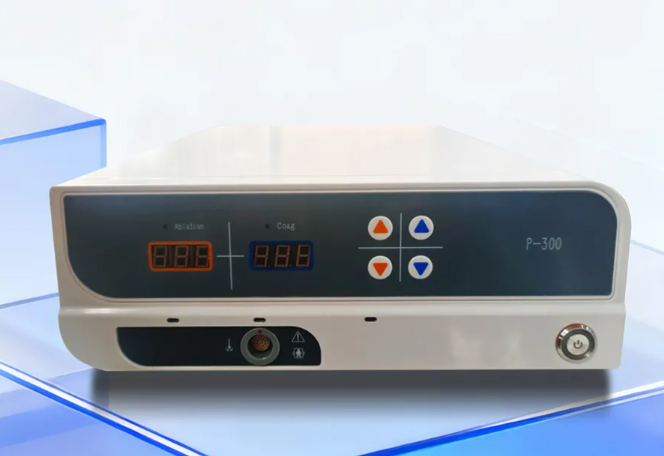
During a Coblation ENT procedure, a specialized device delivers radiofrequency energy into a saline medium. This interaction creates an ionized plasma layer that breaks tissue bonds at a molecular level with high precision. Unlike traditional electrocautery or thermal instruments, Coblation avoids burning or charring tissue, which can otherwise lead to increased inflammation and delayed healing.
Key Features that Make Coblation Stand Out:
- · Precise tissue removal: Targets only diseased tissue while preserving surrounding healthy structures, minimizing collateral damage.
- · Reduced bleeding: Effectively seals blood vessels, helping to control bleeding during the procedure.
- · Minimal thermal injury: Low operating temperatures significantly reduce heat-related tissue damage.
In simple terms, Coblation is like carefully sculpting tissue with precision tools rather than cutting with a high-heat instrument that may damage nearby structures. This controlled approach allows surgeons to achieve effective results while reducing trauma and improving patient comfort during recovery.
Advantages Over Traditional Surgery
Coblation’s gentle, low-temperature approach offers several clear advantages, particularly when operating in sensitive ENT areas such as the throat, tonsils, and soft palate:
Less trauma to healthy tissue
Coblation minimizes thermal damage to surrounding tissues, which helps reduce scarring and supports faster, more natural healing. This preservation of healthy tissue also helps maintain normal function in the treated area.
Faster recovery times
Many patients experience a quicker return to normal daily activities such as eating, drinking, and speaking compared to conventional surgical methods.
Reduced postoperative pain
Because Coblation operates at lower temperatures, it causes less tissue irritation and inflammation. As a result, patients often report reduced postoperative pain and may require less pain medication, although individual experiences can vary.
Lower risk of complications
Coblation is associated with a reduced risk of certain complications, including postoperative bleeding, compared to some traditional surgical techniques. This benefit is particularly valuable in both pediatric and adult ENT procedures.
Common ENT Procedures Using Coblation Technology
Coblation has quickly become a preferred technique in a range of ENT surgeries due to its precision, reduced tissue trauma, and improved patient recovery outcomes.
Tonsillectomy, the surgical removal of the tonsils due to chronic infection or obstructive breathing issues, has increasingly shifted toward Coblation-based techniques. Traditional methods such as “cold steel” dissection or electrocautery often result in higher postoperative pain levels and longer recovery periods.
Coblation tonsillectomy uses low-temperature plasma energy to precisely remove tonsil tissue with minimal damage to surrounding structures. This results in reduced postoperative pain, lower bleeding risk, and a generally smoother recovery process.
Symptoms and Conditions Indicating Coblation Surgery
Coblation surgery may be recommended by an ENT specialist to relieve a range of symptoms, including:
Chronic or recurrent tonsillitis: Frequent throat infections that affect quality of life or lead to complications.
Troublesome snoring or mild sleep apnea: Breathing interruptions or loud snoring that negatively impact sleep quality.
Persistent nasal blockage: Often caused by enlarged adenoids, particularly common in children.
Difficulty swallowing or breathing during sleep: Typically associated with enlarged or obstructive tissues in the throat.
If you or your child experience these symptoms, consulting an ENT specialist can help determine whether Coblation is an appropriate and effective treatment option.
Causes Leading to the Need for Coblation Procedures
Several factors may contribute to the need for Coblation-based ENT surgery:
Frequent infections
Repeated bacterial or viral tonsillitis can lead to chronic throat problems that do not respond well to medication alone.
Allergies
Long-term allergic reactions may cause enlargement of the tonsils or adenoids, resulting in breathing difficulties and a higher risk of infection.
Anatomical factors
Some individuals naturally have enlarged adenoids or a floppy soft palate, which can contribute to snoring or sleep apnea.
By gently removing or reducing the problematic tissue, Coblation helps restore normal breathing, improve sleep quality, and enhance overall daily functioning.
Adenoidectomy
Children suffering from chronic nasal obstruction or recurrent infections often require removal of enlarged adenoids. Coblation adenoidectomy provides a gentle and effective approach, offering minimal bleeding, reduced tissue trauma, and faster healing compared to traditional surgical methods. These benefits contribute to improved postoperative comfort and recovery outcomes.
Soft Palate Coblation for Snoring
Snoring and mild obstructive sleep apnea are often caused by a relaxed or thickened soft palate that obstructs airflow during sleep. Coblation-assisted soft palate surgery works by precisely reducing and tightening soft tissue in the palate to improve airway patency.
This minimally invasive procedure is generally associated with a low complication rate and can significantly improve sleep quality, reduce snoring intensity, and enhance daytime alertness.
Treatment Process: What to Expect with Coblation Surgery
Pre-operative Preparation
Before undergoing a Coblation procedure, your doctor will review your medical history, current medications, and any existing health conditions. You will also receive specific instructions regarding eating, drinking, and medication use prior to surgery. Following these guidelines carefully is essential to ensure safety and achieve the best possible surgical outcomes.
The Coblation Procedure
On the day of surgery:
- · Anesthesia: Most Coblation ENT procedures are performed under general anesthesia, meaning you will be asleep and completely pain-free during the operation.
- · Duration: The procedure typically lasts between 15 and 45 minutes, depending on the treatment area and complexity.
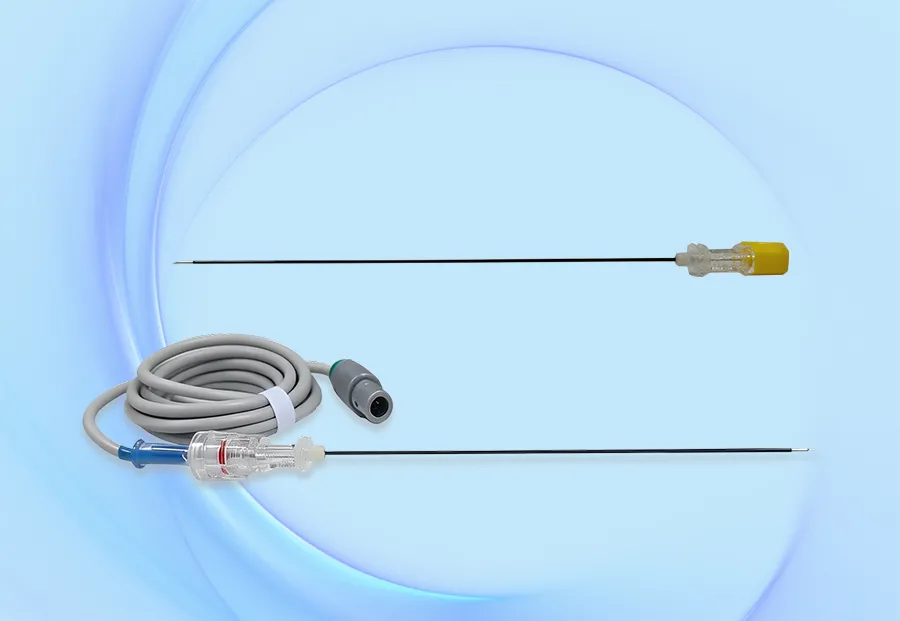
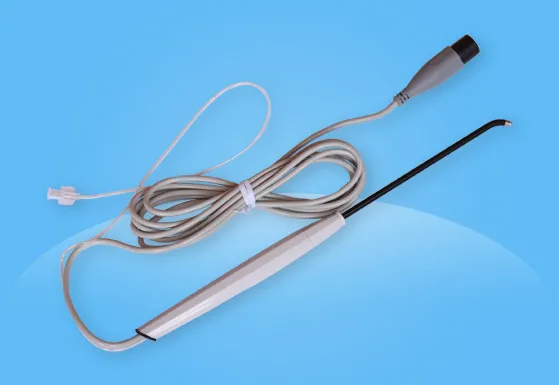
- · Technique: The surgeon uses a specialized Coblation wand to precisely remove or reduce targeted tissue while preserving surrounding healthy structures.
Thanks to its precision and controlled energy delivery, Coblation allows surgeons to complete procedures efficiently with minimal tissue trauma. Outcomes and recovery time may vary depending on factors such as patient age, overall health, and the extent of the procedure.
Post-operative Care and Recovery
· Pain management: Many patients report milder pain compared to traditional surgery, often requiring less strong pain medication, although individual experiences may vary.
· Healing time: Most patients can return to normal activities such as work or school within 7 to 14 days, which is generally faster than conventional surgical recovery, but this may vary from person to person.
· Care tips: Staying well-hydrated, eating soft foods, and carefully following post-operative instructions from your surgeon can significantly support the healing process.
· Possible risks: Although complications are uncommon, some patients may experience temporary sore throat, mild discomfort, or minor bleeding during recovery.
Lifestyle Tips for Patients Undergoing or Considering Coblation Surgery
Stay well hydrated: Drink plenty of cool fluids such as water. Avoid acidic juices during the healing phase, as they may irritate the throat and slow recovery.
Choose soft foods: Opt for soft, easy-to-swallow foods such as ice cream, yogurt, mashed potatoes, and smoothies to minimize throat discomfort and irritation.
Avoid irritants: Stay away from cigarette smoke, dust, and other airborne irritants, as these can delay healing and increase throat discomfort.
Watch for warning signs: Seek immediate medical attention if you experience sudden bleeding, unusually high fever, or difficulty breathing during recovery.
Keep follow-up appointments: Attending all postoperative visits is important to ensure proper healing and to allow your ENT specialist to address any potential complications early.
Conclusion
Coblation represents a major advancement in ENT surgery, offering a minimally invasive and gentle approach that often results in less pain, faster recovery, and fewer complications compared to some traditional techniques. For patients dealing with persistent tonsillitis, snoring, or adenoid-related issues, Coblation ENT surgery may provide an effective path toward improved breathing, better sleep, and enhanced quality of life.
However, treatment suitability should always be determined in consultation with a qualified ENT specialist, who can evaluate individual symptoms and recommend the most appropriate care plan.
Frequently Asked Questions (FAQs) about Coblation Surgery
Is Coblation surgery painful?
Pain after Coblation surgery is generally milder than with traditional surgical methods, though individual experiences can vary.
How quickly can I return to normal activities?
Most patients, including both children and adults, can resume daily activities such as school or work within one to two weeks. Recovery time may differ depending on age, health, and the extent of the surgery.
Are there any risks or complications?
Like all surgical procedures, some risks exist. However, Coblation is associated with a lower likelihood of certain complications, including excessive bleeding and tissue damage, compared to some conventional techniques.
How does Coblation compare to other techniques?
Compared to cold steel dissection or electrocautery, Coblation is gentler and less invasive. This often results in faster healing, reduced postoperative pain, and less trauma to surrounding tissue.
Can Coblation be repeated?
Yes. If symptoms such as snoring recur or tissue regrowth occurs, Coblation procedures can often be safely repeated.
Who is a good candidate for Coblation surgery?
Patients with chronic tonsil or adenoid issues, persistent snoring, or mild sleep apnea are commonly considered good candidates. An ENT specialist can evaluate individual conditions to determine if Coblation is the appropriate treatment.
RELATED PRODUCTS