
Plasma and RF Minimally Invasive Spine Surgery: Equipment Selection Guide
August 14, 2026
The spine is the most delicate territory in surgery. A millimeter of misplaced thermal energy near the spinal cord or a nerve root can have permanent consequences. This is precisely why minimally invasive techniques — and the precise plasma and RF equipment that enables them — have become the standard of care for an increasing range of spinal procedures.
This guide is for clinicians and procurement teams evaluating surgical energy equipment for spine work — an orthopedic spine practice, a neurosurgery department, or a hospital building a minimally invasive program. It covers the technology, the applications, and the selection criteria that protect patient safety.
Why Precision Matters in Spine Surgery
Spinal surgery demands surgical energy that is both powerful enough to work and precise enough to be safe. The surrounding anatomy — spinal cord, nerve roots, dura — leaves no room for thermal overshoot. The defining requirement is therefore controlled, localized energy delivery:
-
Minimal thermal spread — energy must stay confined to the target tissue and not damage adjacent nerves or the cord.
-
Precise tissue removal — disc and soft tissue must be removed or shrunk in a controlled, layer-by-layer fashion.
-
Reliable hemostasis — bleeding must be controlled without excessive tissue damage.
These requirements are why low-temperature plasma and precisely controlled RF have become central to spinal surgery, and why Greenland has focused its R&D on exactly these technologies.
Key Applications in Minimally Invasive Spine Surgery
Plasma and RF energy support several key minimally invasive spinal procedures:
-
Disc decompression — low-temperature plasma removes or shrinks disc tissue to reduce pressure on compressed nerves.
-
Nucleoplasty — precise RF or plasma energy shrinks the disc nucleus to relieve pain while preserving structure.
-
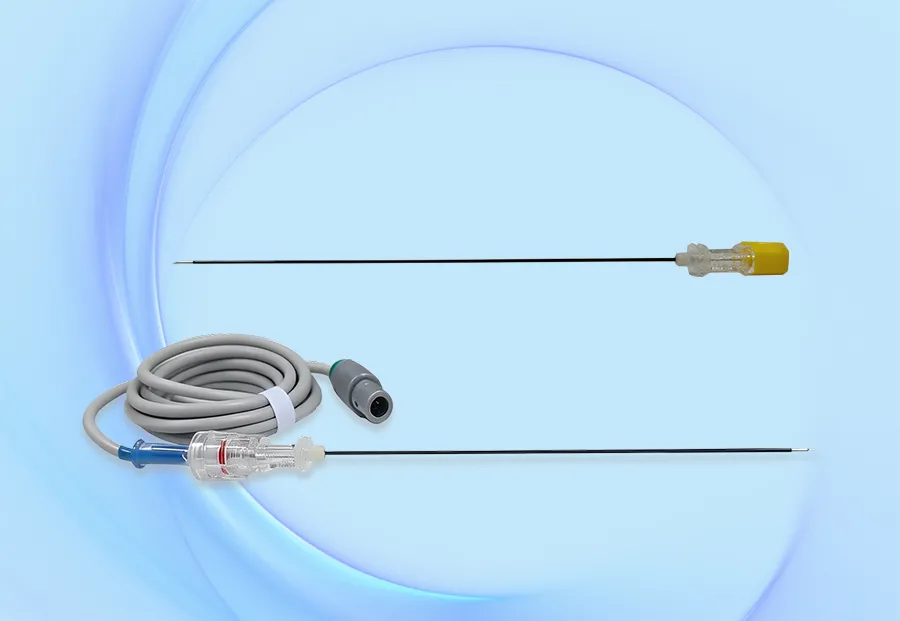
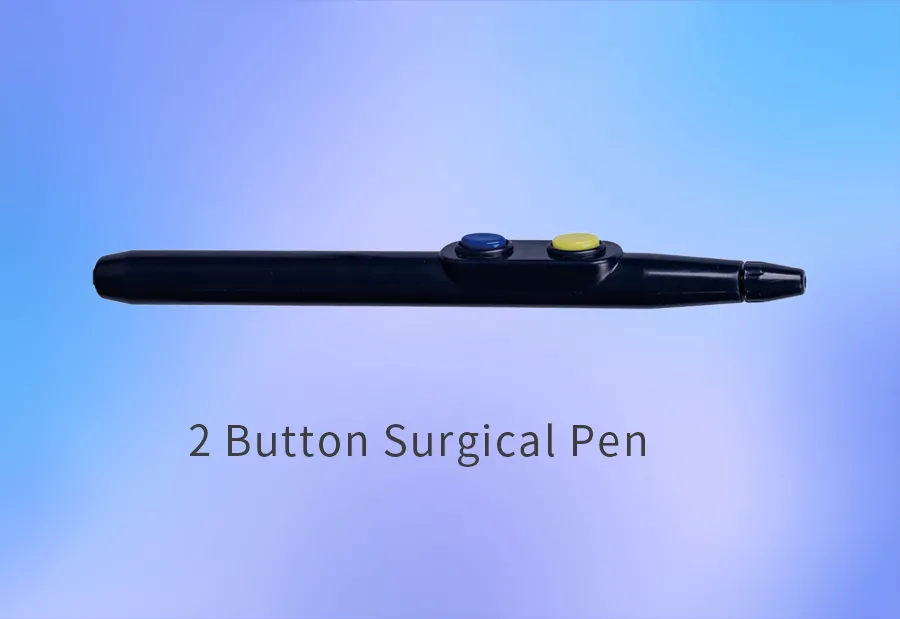
Tissue ablation and coagulation — controlled removal and hemostasis during endoscopic and open spine procedures.
Each application requires a specific electrode geometry and energy profile, which is why a full electrode range — not just a single generator — matters when selecting a system.
Plasma vs RF in Spine Procedures
Both plasma and RF have established roles in minimally invasive spine surgery, and understanding the difference helps match the technology to the procedure:
| Technology | Mechanism | Temperature | Best For |
|---|---|---|---|
| Low-Temperature Plasma | Ionized gas field breaks molecular bonds | ~40-70°C | Disc decompression, precise tissue removal near nerves |
| RF (Monopolar/Bipolar) | Thermal energy for cutting and coagulation | Higher | Ablation, hemostasis, broader tissue work |
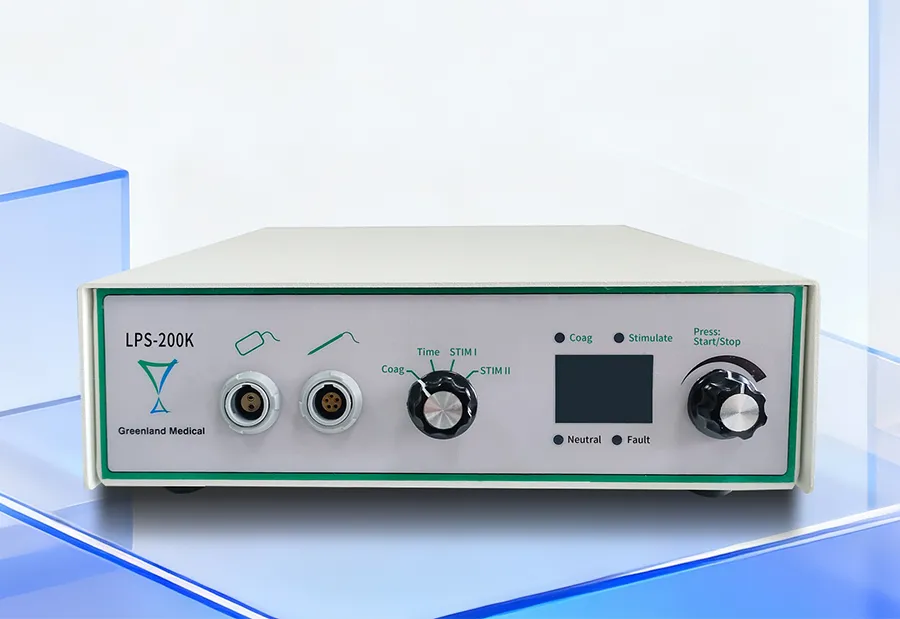
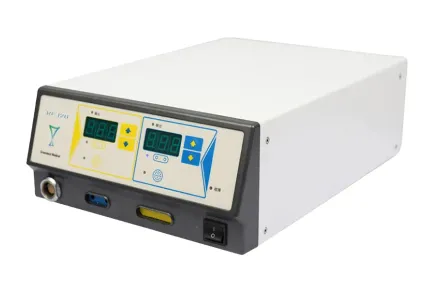
The safest systems offer precise control over both modes, letting the surgeon choose the right energy for each step. Greenland's Plasma & RF 2-in-1 system is designed for exactly this flexibility.
Six Criteria for Selecting Spine Surgery Equipment
At the decision stage, evaluate surgical energy equipment for spine work against these six criteria:
-
Precision and energy control — confirm fine, repeatable control of temperature and power to protect delicate anatomy.
-
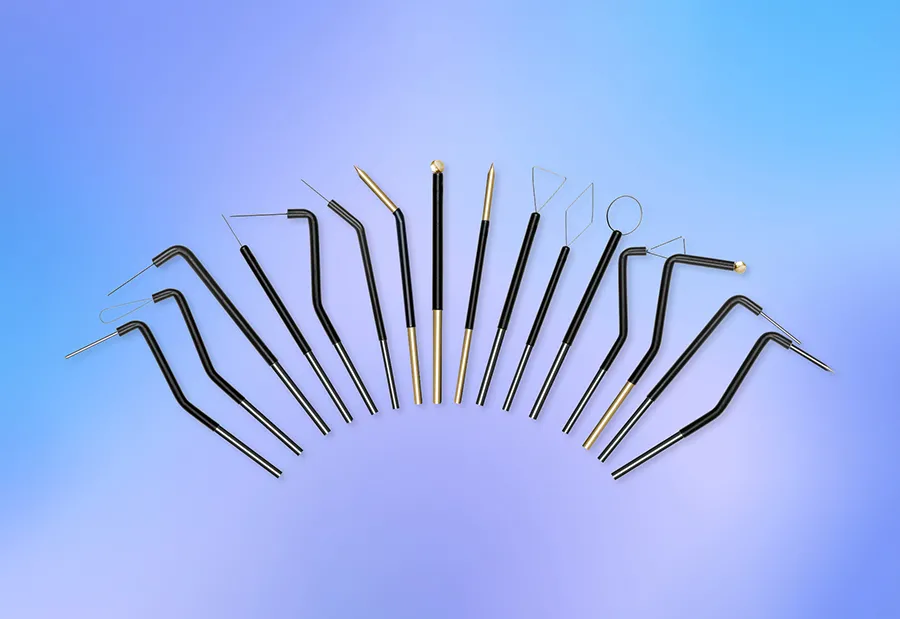
Electrode range — verify a full range of electrodes and probes covers the spine procedures you perform.
-
Low thermal spread — confirm the technology minimizes thermal damage to adjacent nerves and cord.
-
Safety certifications — verify regulatory approvals and clinical safety data for spinal applications.
-
Versatility — dual plasma and RF capability offers flexibility across the procedure range.
-
Manufacturer expertise — look for a manufacturer with documented spinal surgery clinical experience.
Why Choose Greenland for Spine Surgery
Greenland (Beiling Greenland Co., Ltd.), established in 2003, has developed and produced radiofrequency and plasma surgical equipment for over 20 years. Its RF electrosurgical units and RF bipolar ablation electrodes were the first sets registered in China, and its products reach more than 30 countries.
For spine surgery specifically, Greenland offers:
-
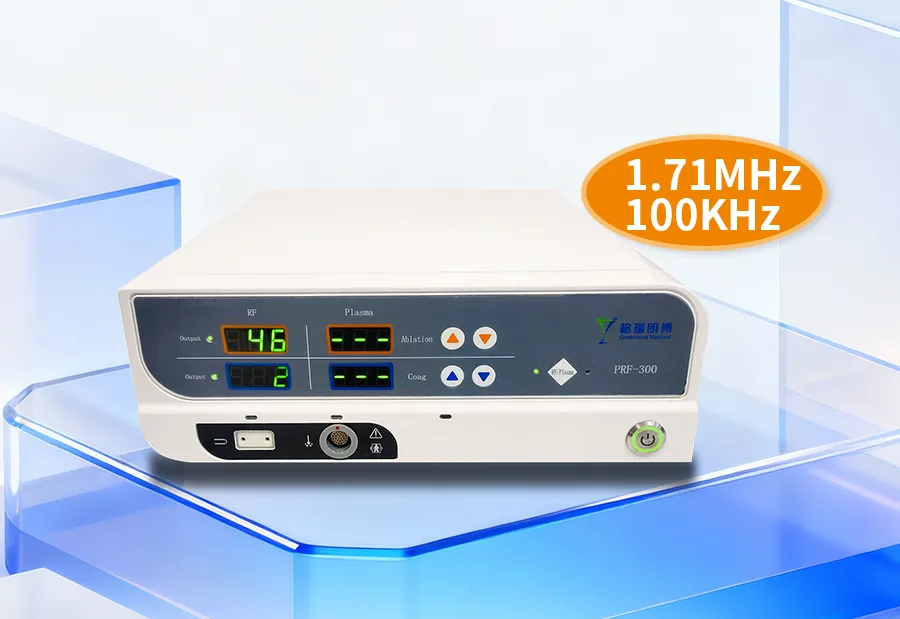
Complete surgical energy portfolio — the RF Electrosurgical Unit RFS-4000KD (clinically applicable to spinal surgery and orthopedics), the Plasma & RF 2-in-1 PRF-300, and a range of bipolar ablation electrodes.
-
Manufacturing excellence — ISO 13485 certified, a 100,000-level cleanroom and a 20+ person senior R&D team.
-
Proven track record — the first RF electrosurgical unit and bipolar ablation electrode registered in China.
Tell us your target procedures, expected case volume and energy requirements. Our team will recommend the right plasma or RF system for safe, precise minimally invasive spine surgery.
Need Surgical Energy Equipment for Spine Surgery?
Tell us your procedures and energy requirements. Greenland will recommend the right plasma or RF system.
Email: business@greenlandmed.com
Frequently Asked Questions
How is plasma used in minimally invasive spine surgery?
Plasma ablation is used in procedures like disc decompression and nucleoplasty, where it precisely removes or shrinks disc tissue at low temperature, reducing pressure on nerves with minimal damage to surrounding structures.
What is the difference between plasma and RF for spine procedures?
Plasma ablation works at low temperature (~40-70°C) for precise tissue removal, while RF delivers thermal energy for coagulation and ablation. Both have roles in minimally invasive spine surgery, and many systems offer both modes.
What should I look for in spine surgery equipment?
Look for precise temperature and energy control, a range of electrodes for different procedures, proven safety in delicate spine applications, and a manufacturer with spinal surgery clinical experience.
Which Greenland system is suitable for spinal surgery?
Greenland's RFS-4000KD RF electrosurgical unit is clinically applicable to spinal surgery and orthopedics, and the PRF-300 2-in-1 system adds plasma capability.
Does Greenland offer bipolar electrodes for spine procedures?
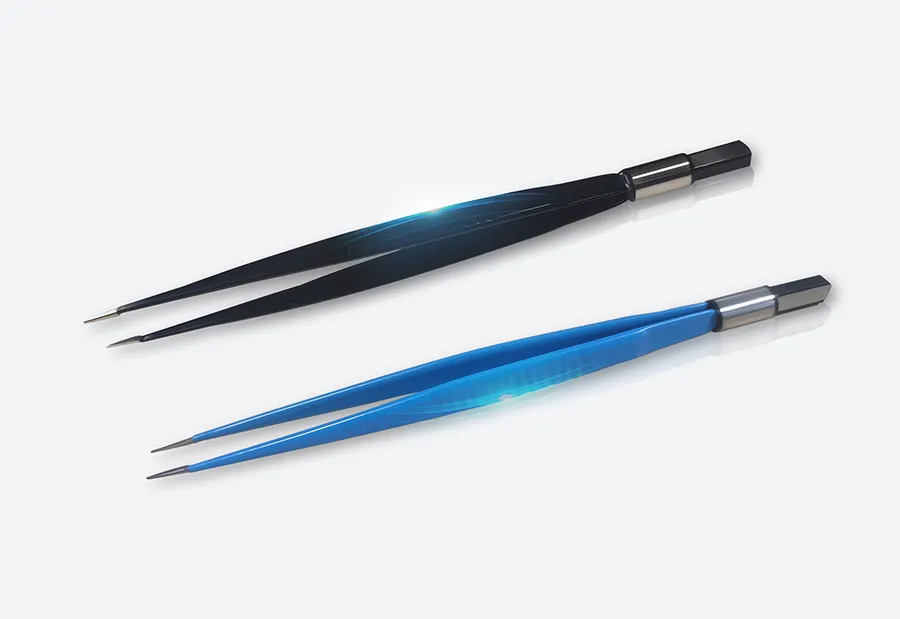
Yes. Greenland offers disposable bipolar ablation electrodes for precise, controlled tissue work in spine and other delicate procedures.
RELATED PRODUCTS